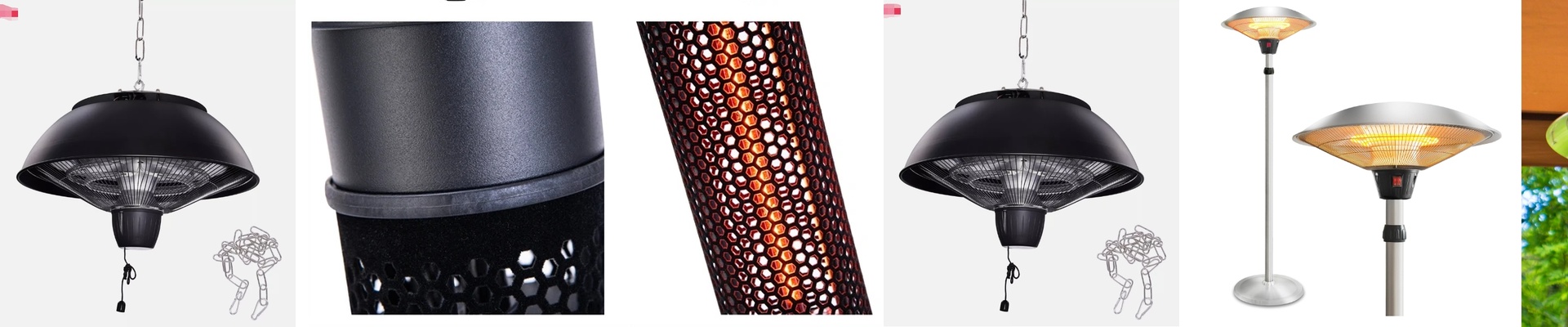
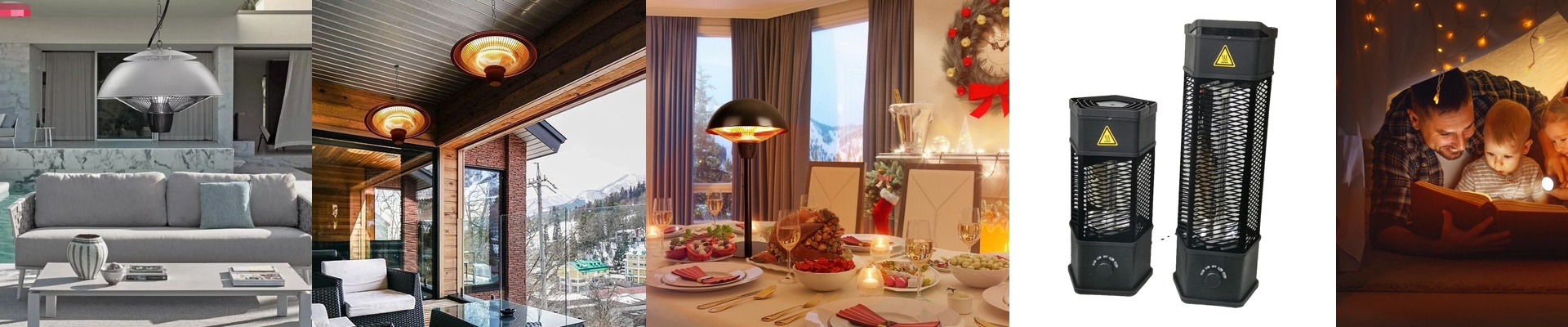
Here is the problem with most towel rail heaters: they’re built like a sealed box. If one tiny heating element burns out after a few years, you’re basically stuck. You can’t fix it, so you throw the whole thing in the trash. It’s a waste. So, we decided to do something different. We went with a modular infrared design. Instead of one long, continuous wire that can fail anywhere, we use independent heating modules. Think of it as heat in separate zones. If one section quits on you, you don’t have to rip out the whole chassis or rewire the entire system. You just pull out the dead module and pop in a new one. Simple. And we made the actual swap easy. You shouldn’t need a full toolkit or a degree in electrical engineering just to change a tube. We used quick-connect terminals, which means you can get a replacement in there in a couple of minutes. No soldering. No headache. Now, to be honest, there’s a trade-off here. When you add connectors, you’re technically adding more spots where something could go wrong compared to one solid piece of welded metal. But we planned for that. We used high-temp reinforced housing so the connections stay tight, even as the metal expands and shrinks every time it heats up and cools down. For the people managing a building, this is a huge relief. It turns a “major repair” into a quick part swap. You keep a few spare tubes on a shelf, plug one in, and you’re done. No more ripping mounts off the wall or messing with the piping just because one element hit its limit. It stops being a disposable piece of junk and actually becomes something you can maintain.