
Why Everyone’s Switching to High-Waterproof Infrared Heaters
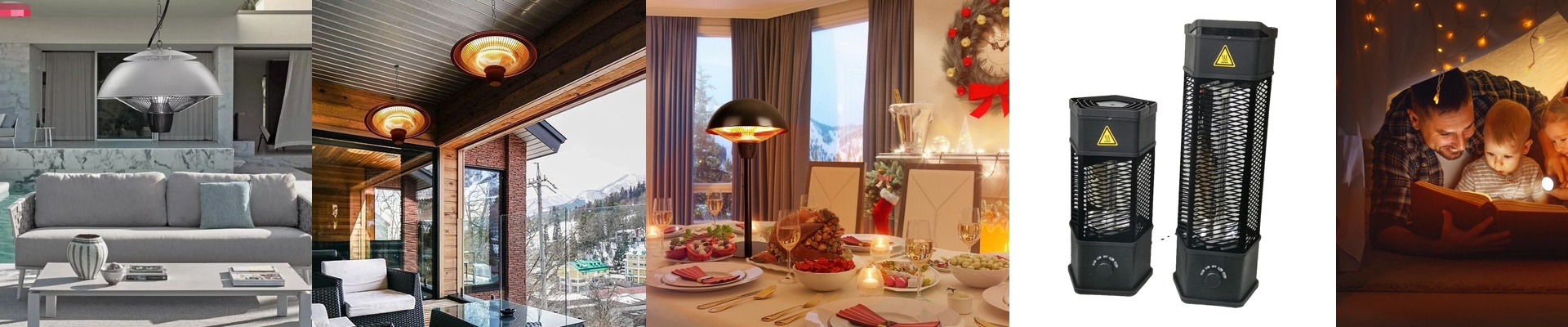
Here’s what’s happening in modern bathrooms: the old bulb-style heaters are fading out, and high-waterproof ceiling-mounted infrared heaters are stepping in. This isn’t just a fad. It’s a practical answer to a real-world problem. You need something that can handle a wet, enclosed space—safely, reliably, and with serious warmth.
Power and Voltage, Without the Overthinking
These heaters are built to pack a lot of heat into a small footprint. The goal is strong infrared output that won’t strain your wiring. Voltage and wattage are matched carefully to the heater’s size, so the element stays within its safe thermal range. That balance matters. It helps prevent early burnout and keeps things stable, even when the unit runs for long stretches in steamy conditions.
What’s Inside: Quartz, Halogen, and Smart Connections
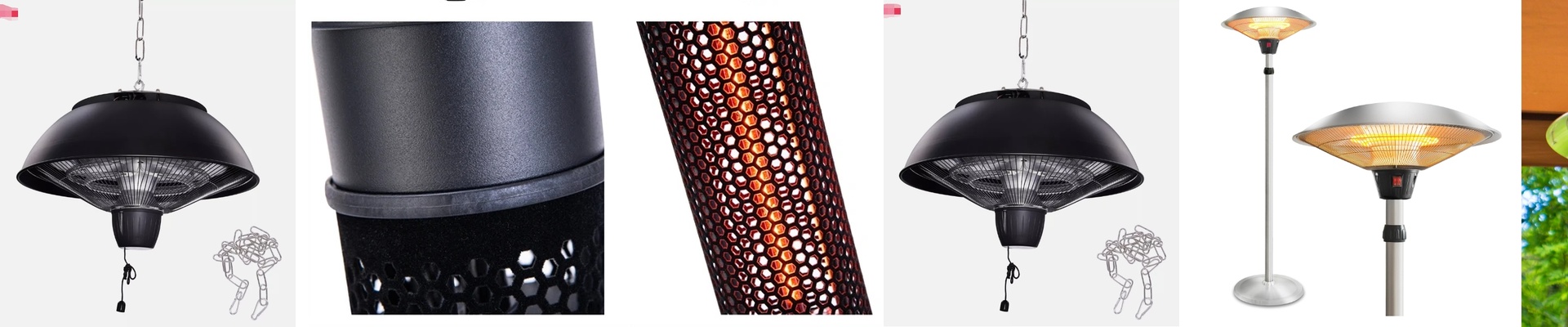
At the core, you’ve got a quartz tube with a halogen fill. Quartz handles sudden temperature swings and resists moisture better than standard glass—handy when the heater sits overhead, right in the shower zone. The halogen cycle keeps the filament steady, so the heat stays consistent over time. And the R7s connector? It’s a practical pick. It locks in securely, carries the current safely, and makes replacements straightforward when you’re doing a refit. That waterproof rating isn’t just for show. It’s built into the seals, gaskets, and housing—so water stays away from the live parts.
On the Job: Why This Matters for You
When you’re working, you want a heater that fires up fast, throws heat where you need it, and keeps going in tough conditions. Ceiling-mounted infrared units warm people and surfaces directly, instead of wasting energy heating the air. That means less heat loss through ventilation. The high waterproof rating cuts the risk of failure. And the compact size gives you more flexibility when you’re squeezing something into a tight ceiling space. But there’s a trade-off. Because the heat is concentrated, you have to plan airflow and mounting clearance carefully. Otherwise, nearby materials can get too hot.