Dealing with Cold Spots in Glassware Annealing
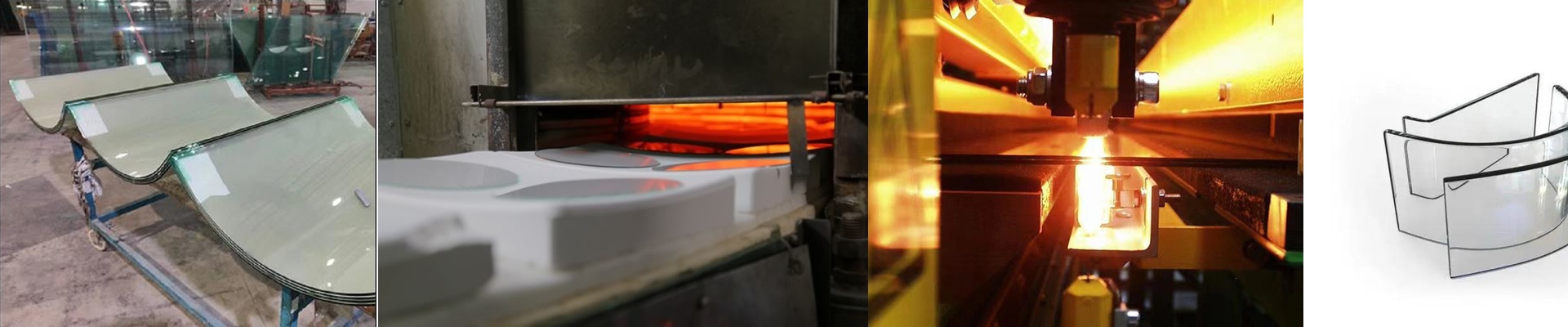
If you’ve ever used a standard convection kiln for complex glass shapes, you know the frustration. You pull a piece out, thinking it’s fine, only for it to shatter later because of a “cold spot” you didn’t even know was there. It happens because air just doesn’t always reach every nook and cranny, leaving internal stress in the glass. We found a better way: throwing some short-wave infrared (IR) lamps into the mix.
How to actually get the heat where it needs to go
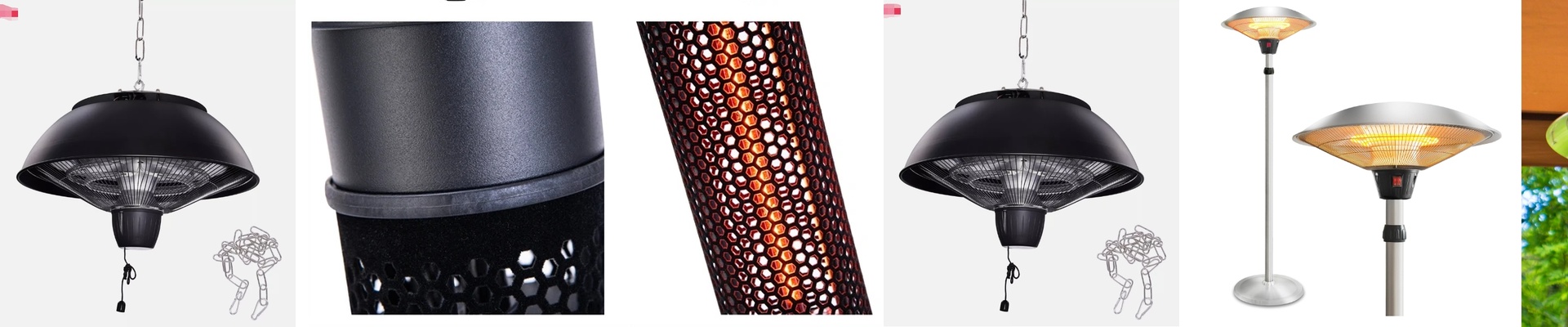
Air is great, but it has limits. IR lamps are different. They send out radiation that actually sinks into the glass. For those tricky, deep containers, we use quartz halogen tubes. They pack a ton of heat into a tiny space. The trick is to arrange them in a multi-angle array. By doing this, you can aim the heat directly into those recessed areas that the air currents usually ignore. It’s a relief to know the whole piece is actually getting warm.
Picking the right gear
We usually go with high-wattage quartz tubes so you aren’t sitting around waiting for the temperature to climb. When you’re planning your setup, keep an eye on the length and voltage. A longer tube covers more ground, but be careful—if they get too hot, they can start to bow. Then there’s the connector. You’ve got R7s or SK15. If your shop has a lot of vibration, go with the R7s. They stay tight, which means you won’t be fighting loose connections while you’re trying to work. Plus, it makes swapping out a dead lamp a lot less of a headache.
The catch (and how to handle it)
Now, short-wave IR is powerful. Almost aggressive. If the lamp is too close to the glass, you’ll scorch the surface. To stop that from happening, don’t rely on the ambient air temperature. You need a precise PID controller and a thermocouple sitting right on the glass surface. That’s the only way to know what’s actually happening. One last thing: if you crank the wattage to speed things up, your cooling fans are going to work overtime to keep the sockets from melting. Just make sure your electrical panel can handle the initial surge when those halogen filaments kick in, or you’ll be staring at a tripped breaker.