
Why You Can’t Just Use Any Glass in a Wet Bathroom
Think about your bathroom. It’s humid, there’s steam everywhere, and water splashes are basically a given. Now, imagine putting a high-wattage infrared heater right in the middle of that. If you use standard quartz glass, you’re asking for trouble. Here’s why: when a tiny, cold drop of water hits a scorching hot piece of regular quartz, the glass doesn’t just crack. It shatters. Fast. It’s a mess, it’s scary, and it’s exactly what we want to avoid.
The Secret to “Explosion-Proof” Glass
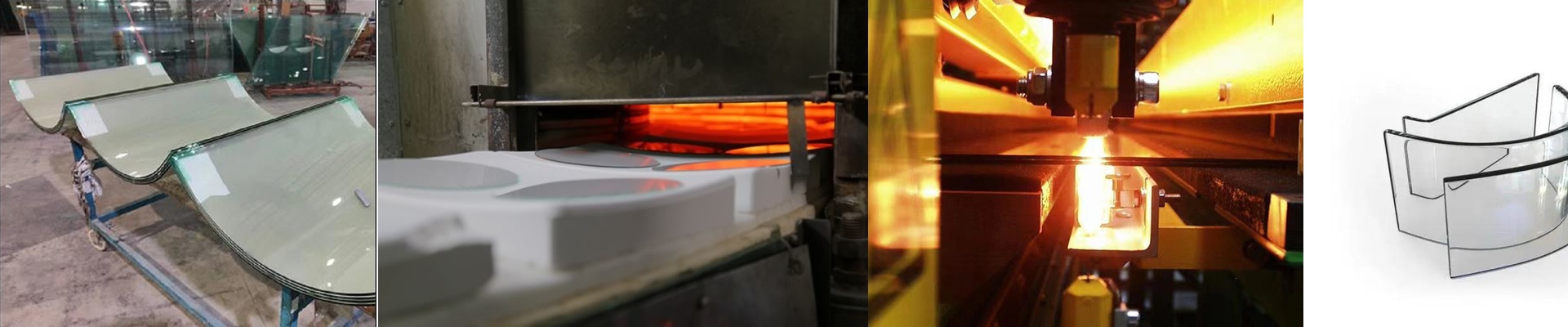
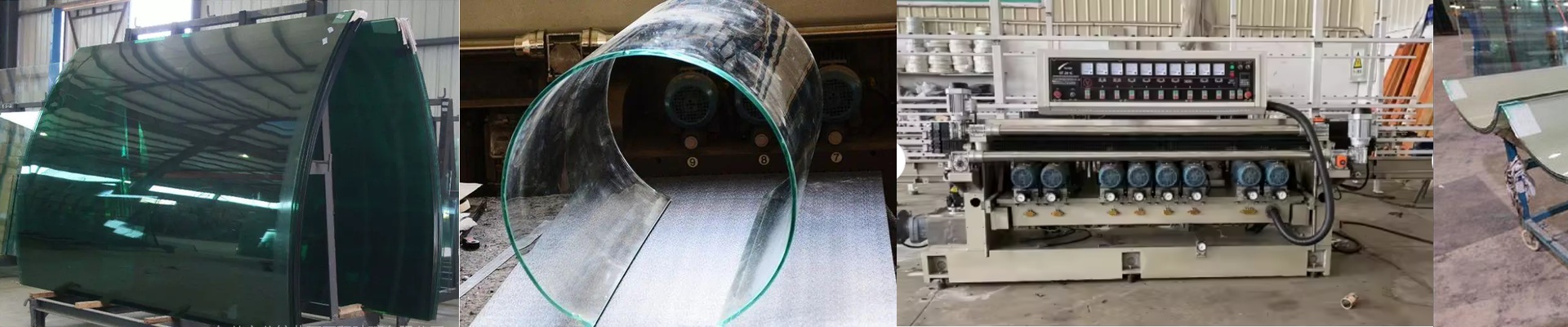
To stop that from happening, we use specialized explosion-proof quartz. It sounds intense, but it’s really just about handling the mood swings of temperature. This stuff is built to take a hit. You could have a surface temperature drop by 200°C in a split second, and the tube just shrugs it off. The way these heaters work is pretty cool. They use short-wave infrared radiation, which means the heat shoots in a straight line right to you. It doesn’t waste time heating up the air in the room. It’s instant. But that speed creates a massive temperature gap between the glowing filament inside and the outer shell. That’s where the tough glass earns its keep.
It’s All in the Fit
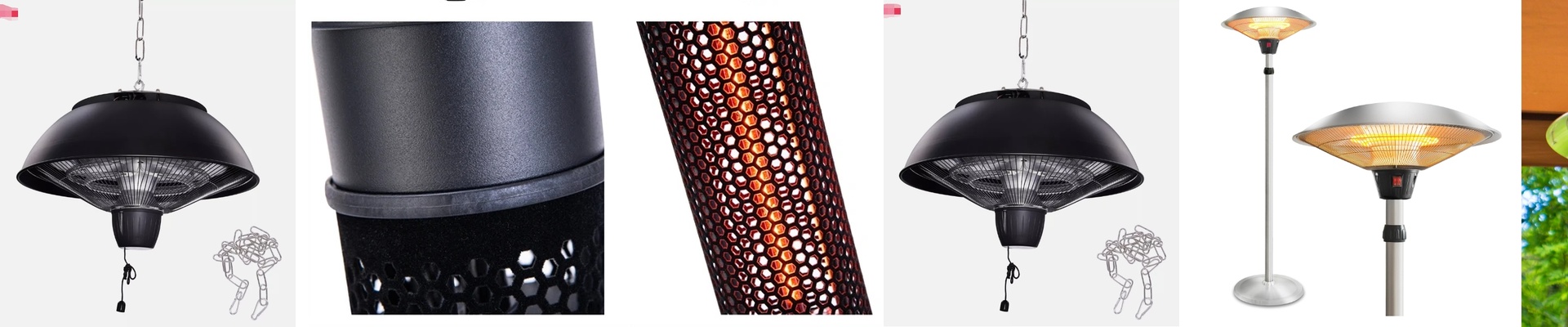
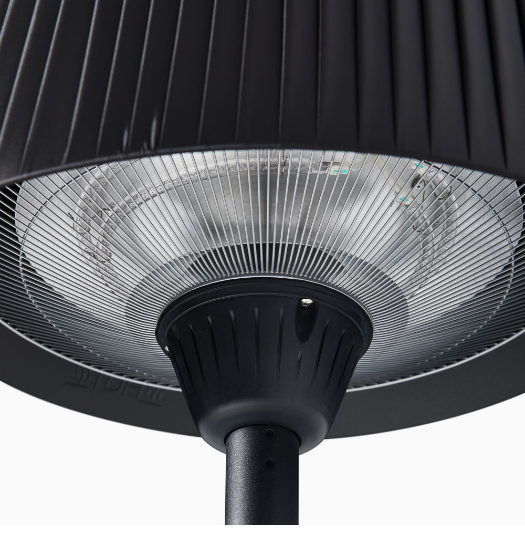
You can’t just grab any tube and shove it into a waterproof housing and hope for the best. It has to be a perfect fit. If the tube rattles or sits loose in the reflector, you get these annoying hotspots. Those hotspots can actually warp your fixture over time. We keep the tolerances tight so the heat goes exactly where it should—down toward you, not up into your ceiling wiring. And look, waterproofing the outer case is only half the job. The tube is your final line of defense. If that glass gives way, you’ve got a live filament sitting in a wet room. Not a great scenario. The explosion-proof rating keeps that vacuum seal tight, even when things get stressful. One last thing to keep in mind: these things gethot. While the glass won’t shatter when it hits water, the housing around it still has to handle that heat. If you skimp on the ventilation, you’ll fry your internal wiring long before the tube ever has a chance to fail.