Keeping Bathroom Infrared Heaters from Becoming a Hazard
Putting an infrared heater in a bathroom is a bit like playing a game of cat and mouse with steam. Water vapor is sneaky. It finds every little gap, and if it hits a live wire, you’ve got a serious problem on your hands. To keep things safe, we focus on two things: keeping the water out and making sure the electricity stays exactly where it belongs.
Dealing with the Steam
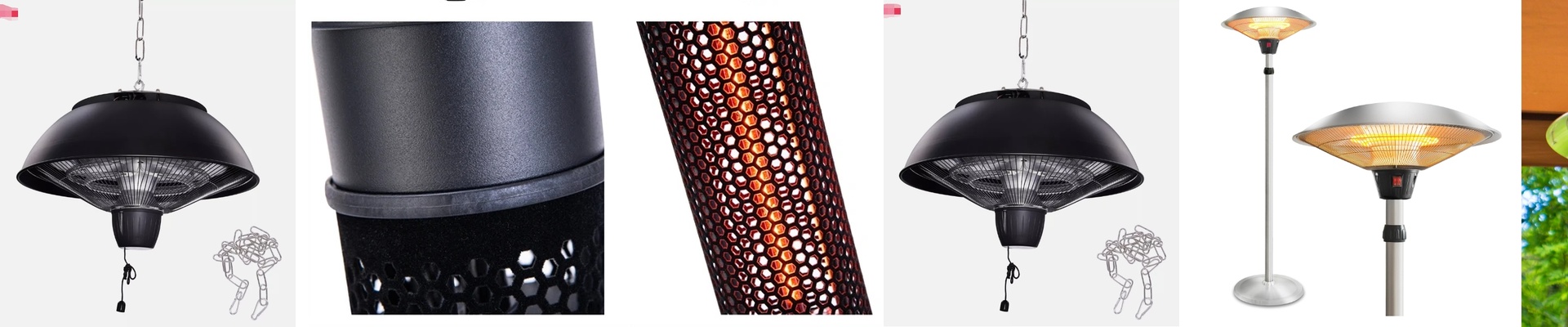
You’ll see “IP65” on the spec sheet. Forget the technical jargon for a second—all that really means is that the box is tight enough to stop dust and water jets from getting inside. In a steamy bathroom, that’s your first line of defense. We use silicone gaskets and heavy-duty cable glands to plug every possible hole. If steam leaks in and hits the terminals, you’re looking at a short circuit. To stop that, we use epoxy potting at the connection points. It basically seals the wires in a hard plastic shell so moisture can’t touch them.
The Logic Behind the Grounding
We use materials that naturally block electricity to keep the heating element separate from the metal frame. Quartz glass is great for this. But the real danger zones are the end caps. That’s why we use ceramic insulators—they don’t warp or break down, even when they’re soaking in humidity and getting blasted with heat. And please,always ground the outer metal casing. It’s a simple safety net. If something does go wrong inside, the breaker trips instantly. Without it, the whole heater could become live, and that’s a nightmare nobody wants.
The Trade-off You Need to Know
Here’s the catch: when you seal a unit tightly to keep water out, you’re also trapping the heat inside. A fully sealed IP65 heater can’t “breathe.” This means the temperature inside the box climbs much faster than it would in an open-air model. If you put a high-wattage lamp in a tiny, sealed box, you’ll eventually cook the wiring insulation. It’s a slow burn, but it happens. The trick is to balance your wattage with the size of the enclosure. Give the heat some room to move, or make sure your thermal cut-offs are dialed in perfectly so the system doesn’t fry itself.