
Why “Explosion-Proof” Quartz Actually Matters in Your Bathroom
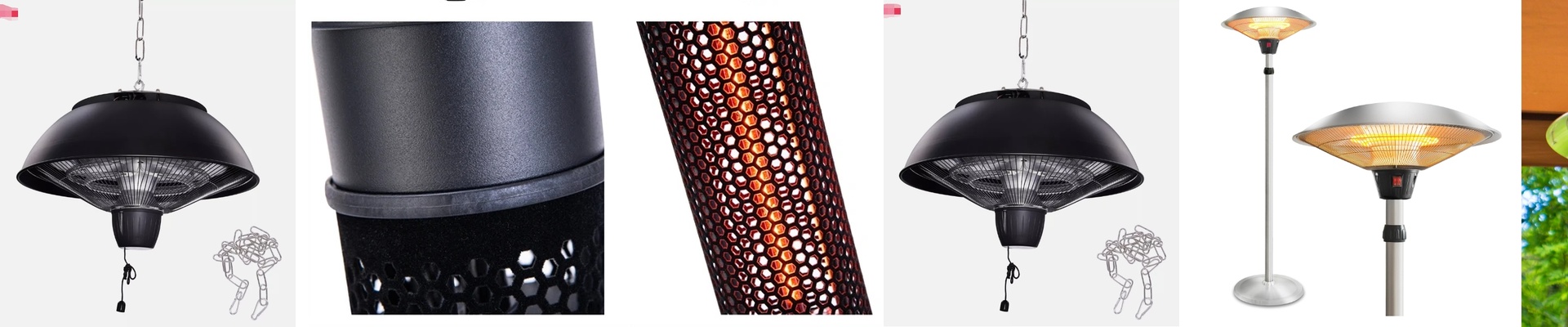
When you’re picking out a heater for a bathroom or an outdoor spot, you’ll see “IP66” thrown around a lot. That’s great for keeping the outside of the unit dry, but it doesn’t tell you what’s happening inside the lamp. Think about a shower. You’ve got steam everywhere and wild temperature swings. If you use a basic quartz tube and a few cold drops of water hit that glass while it’s glowing red hot, things can go south fast. The glass can crack or even shatter. Not exactly the vibe you want while you’re scrubbing your hair.
The deal with explosion-proof glass
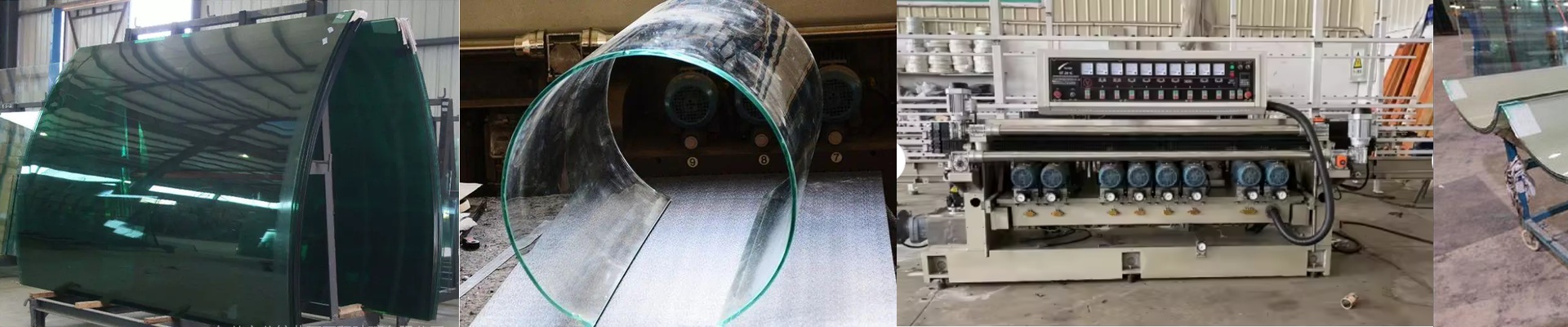
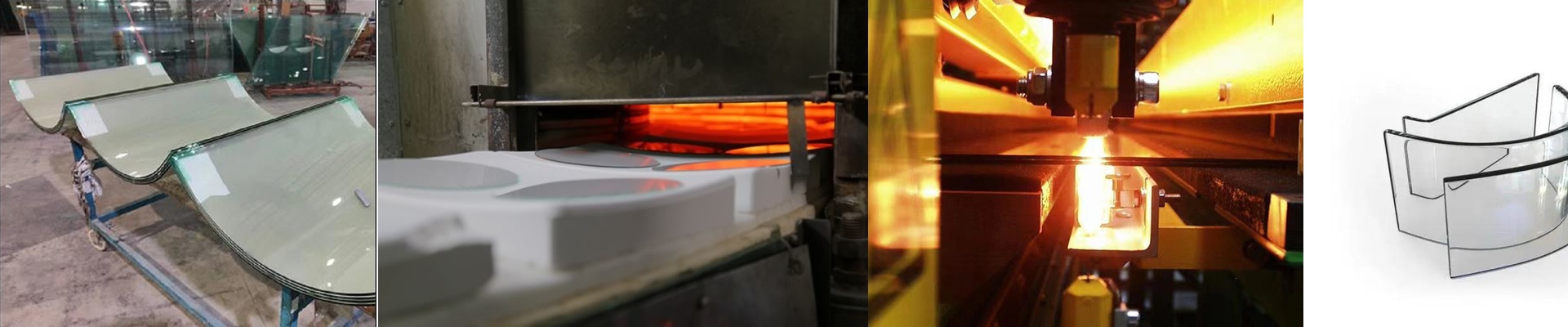
This is where explosion-proof quartz comes in. Normal quartz expands and shrinks as it heats up. But in a bathroom, you might have a tube hitting 600°C and then—bam—a cold droplet hits it. That creates a massive amount of stress on the glass. Explosion-proof tubes are built to handle that pressure. They don’t just resist the shock; they’re designed so that even if the tube does fail, it doesn’t just “pop” or burst violently. It keeps the heating element tucked away safely.
Fast heat and tight spaces
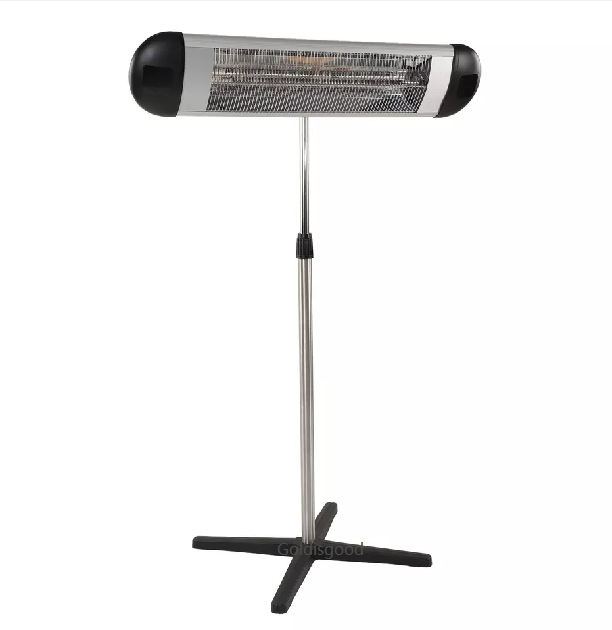
We pair this glass with an IP66 housing to keep dust and water jets away from the wiring. Then, we use short-wave infrared lamps. Why? Because nobody wants to stand in a cold bathroom waiting ten minutes for a heater to kick in. These things hit peak temperature in seconds. It’s instant warmth. One thing to watch out for: these units are usually small, which means a lot of heat in a tiny area. Make sure your wiring can actually handle the wattage—usually between 250W and 800W per tube. If you cut corners here, you risk melting your insulation.
The trade-off
Here’s the honest truth: explosion-proof quartz isn’t quite as “clear” as the stuff they use in high-end labs. You lose a tiny bit of heat efficiency. But in a residential bathroom? That’s a trade I’ll make every single time. Safety beats a 2% efficiency gain. You can’t risk a lamp shattering while someone is standing right under it. Just wire it up to a proper GFCI breaker, and you can actually relax and enjoy the heat.