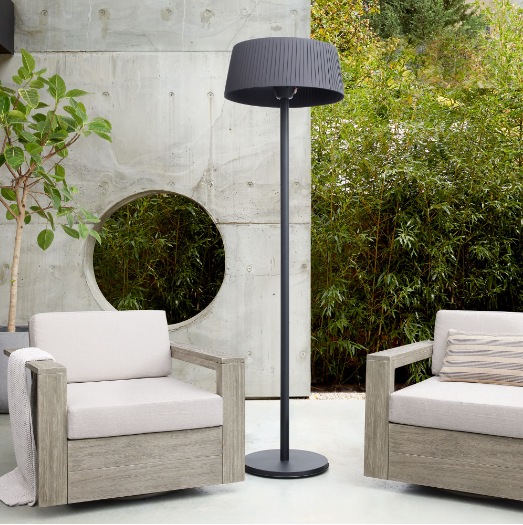
Keeping Your Pergola Warm Without the Headache
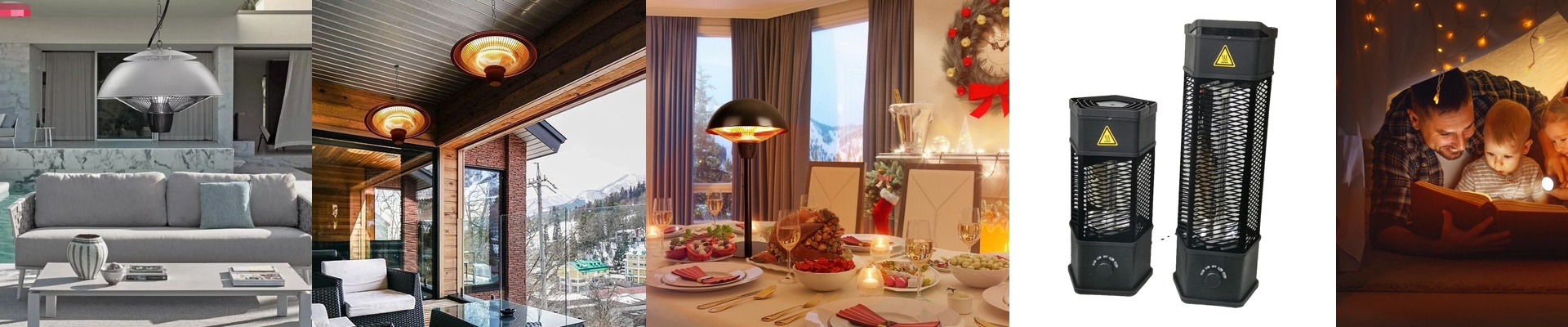
If you’ve ever tried to hang out under a pergola in the shoulder seasons, you know the struggle. The second a breeze hits, any warmth you’ve managed to create just vanishes. That’s why we don’t bother heating the air. It’s a losing battle. Instead, we use short-wave infrared emitters. Think of it like the sun. It doesn’t warm the atmosphere first; it hits your skin and your clothes directly. It’s the only way to actually stay warm when you’re sitting outdoors.
That “Instant Spring” Feeling
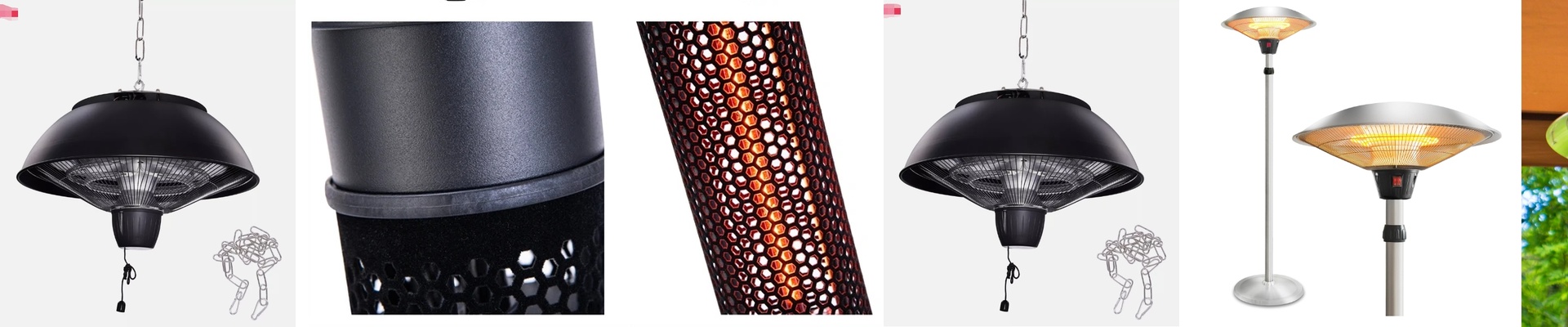
We use quartz halogen elements because nobody wants to wait twenty minutes for a heater to kick in. These things hit their peak temperature in seconds. You hit a button on your phone or a wall switch, the filament glows, and suddenly you’re warm. It’s that simple. But since this is living outside, we make sure everything is IP65 rated—or better. That’s just a fancy way of saying it’s sealed tight against rain and humidity. If those seals aren’t solid, moisture gets into the high-voltage parts, and you’ll be staring at a tripped breaker instead of enjoying your drink.
Making it “Smart”
We usually wire these into Smart relays or PLC modules. The goal is to make it feel effortless. By using things like Zigbee or Matter-enabled switches, you aren’t just flipping a light switch. You’re triggering a specific power profile that gets the environment exactly where you want it with one tap.
The Part People Forget: The Power
Here is the catch. These heaters pull a lot of juice. If you decide to put four 1500W units in your pergola, you’re pulling 6kW. You can’t just plug that into a standard outdoor outlet and hope for the best. You’ll need a dedicated circuit and some heavy-duty wiring. If the wires are too thin, you get “voltage drop.” In plain English? Your heaters won’t get hot enough, and that “instant spring” feeling becomes more of a lukewarm breeze. Do your panel a favor and check your capacity before you decide how many units to install. It’ll save you a lot of frustration later.