Making Bathroom Heaters That Won’t Blind Your Kids
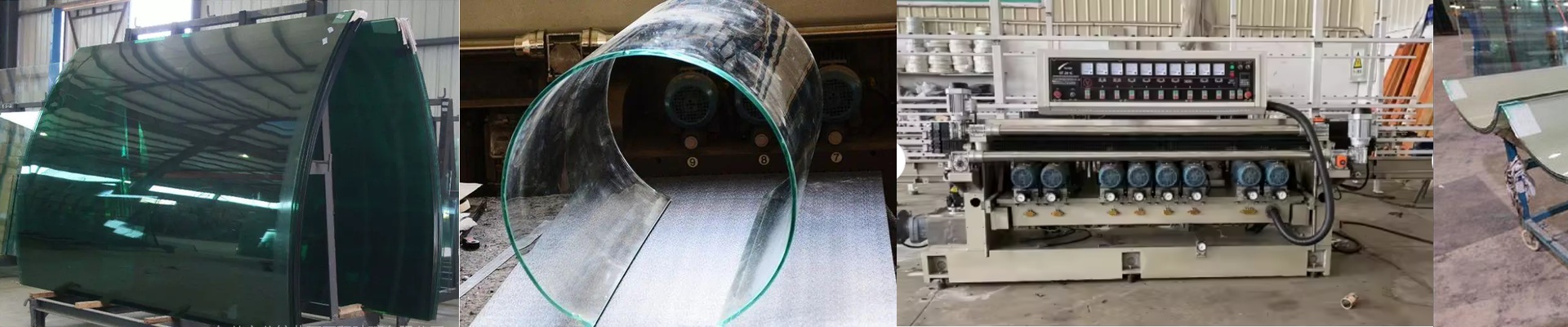
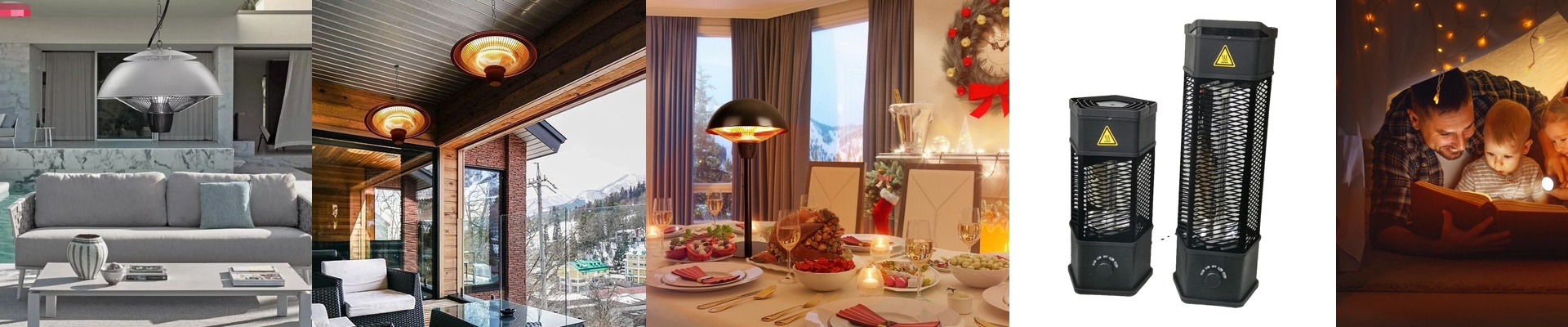
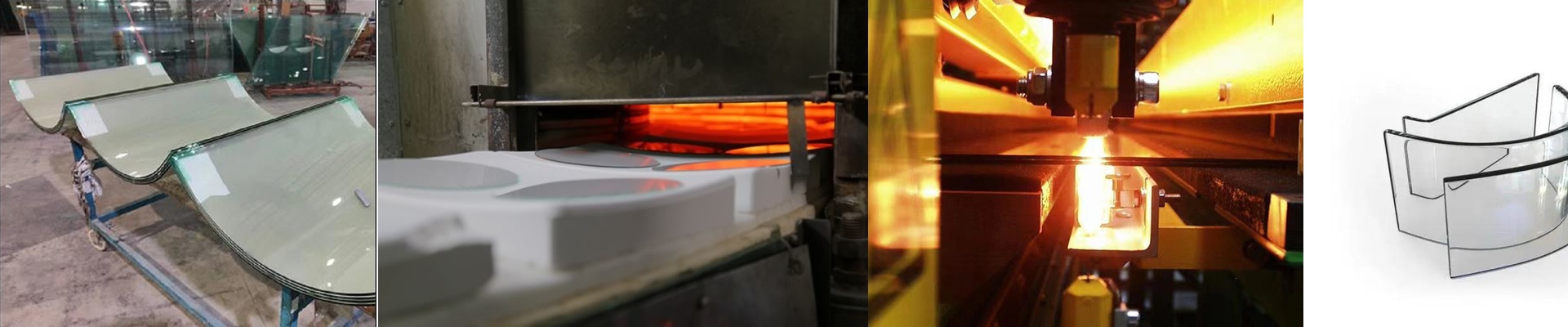
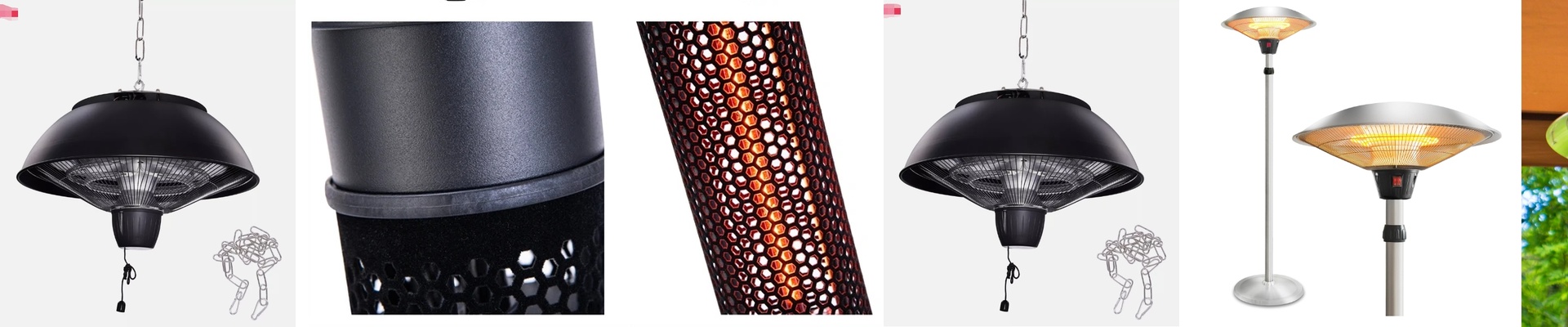
If you’re designing a heater for a bathroom, just slapping an IP65 seal on it to keep the steam out isn’t enough. There’s a much bigger problem to deal with: the light. Think about it. If you’re putting infrared lamps in a room where babies or toddlers are hanging out, you can’t just have a blinding, harsh glare hitting them. Sensitive eyes can’t handle that. The trick to the glow We handle the glare by tweaking how the light actually works. Instead of using those raw, unfiltered lamps you’d find in a factory, we use quartz tubes with special coatings. Essentially, we filter out the UV and the bright, visible light but keep all the cozy heat. You get that warm feeling on your skin without feeling like you’re staring into a welding torch. Now, there’s a small catch. Because we’re filtering the light, it doesn’t heat up quite as instantly as an industrial dryer would. But honestly? That’s a trade-off we’ll take every single time to make it safe for a home. Dealing with the heat and the water Getting that IP65 rating means the thing is dust-tight and can handle a spray of water. We use tempered glass and high-temp silicone gaskets to lock everything in. But here’s the thing: when you seal a heater that tightly to keep water out, the heat starts building up inside the box. You have to be careful with your materials. If the housing can’t handle the quartz tube expanding as it gets hot, those seals are going to crack. And once they crack, the water gets in. Getting it installed (without the headaches) We stick to standard connectors. Why? Because eventually, these lamps will burn out, and you want them to be a simple “plug and play” replacement. One quick tip on the wiring: make sure it’s rated for the wattage. If the wires are too thin, you’ll get a voltage drop, and your heater will just feel… weak. Also, keep an eye on your spacing. If you cram high-wattage tubes into a tiny box, the outside of the casing is going to get hot. Just make sure your mounting brackets leave plenty of breathing room between the heater and the wall. Nobody wants a fire hazard in their bathroom.