
Keeping People Warm in Wet Zones (Without the Electrical Nightmares)
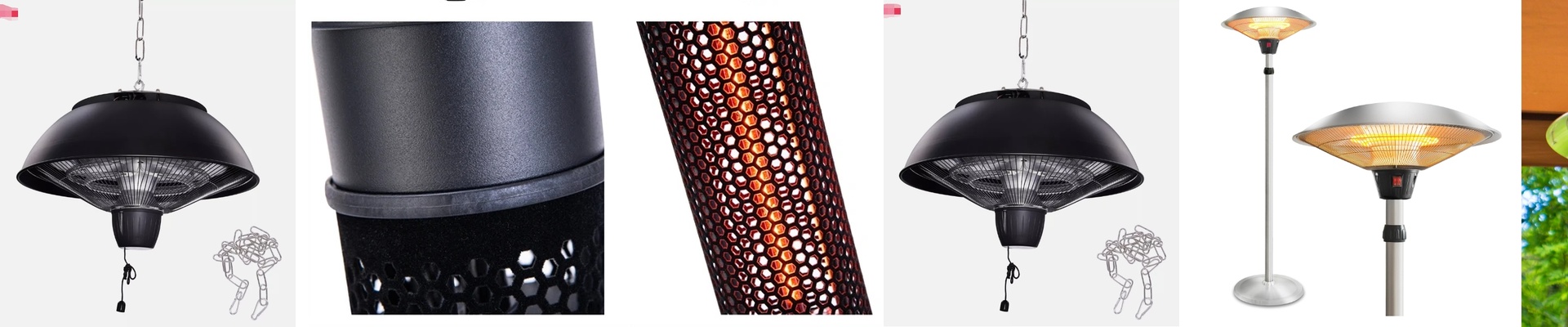
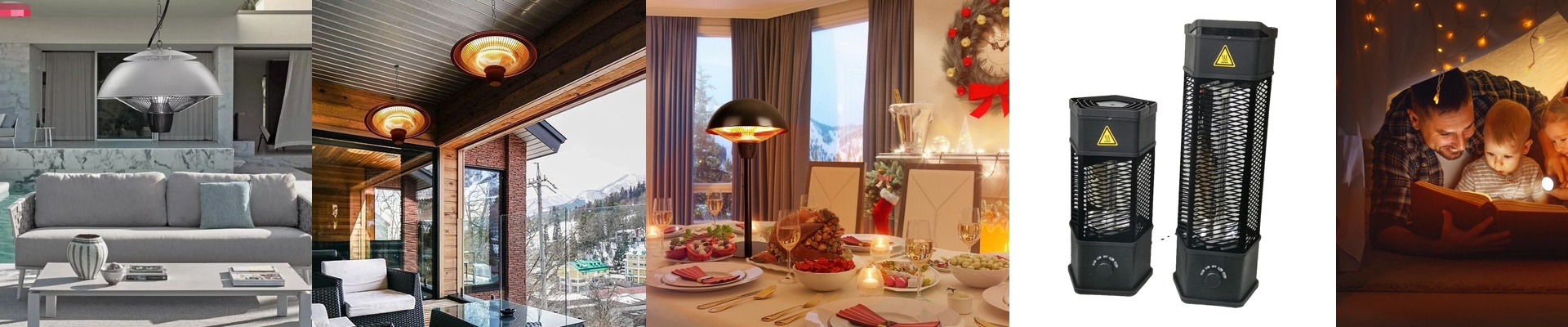
We built our waterproof infrared heaters for one reason: nobody likes shivering in a locker room or a poolside changing area. The real challenge isn’t just the cold—it’s the humidity. You need heat that works instantly, but you can’t have electricity and splashing water playing favorites. The trick is how the heat actually works. Most heaters try to warm up the air. But in a drafty changing room, that air just floats away the second a door opens. It’s a waste. Our units use quartz elements that send out infrared waves. Think of it like the sun. The air stays the same, but the moment you step under the lamp, you feel that warmth hit your skin. It’s immediate. No waiting around for the room to “warm up.” Let’s talk about the “waterproof” part. It’s not just about slapping a seal on a box. In these environments, condensation is the real enemy. We use specific gaskets and coated housings to keep moisture far away from the electrical terminals. One quick tip: make sure your wiring matches the heater’s IP rating. If you use a cheap junction box, it doesn’t matter how waterproof the lamp is—the system will still fail. The trade-offs you should know about. High-wattage lamps put out a ton of heat. That’s great for getting people warm fast, but it puts a lot of stress on the hardware. The metal expands and contracts constantly. We use materials that can take that beating without warping or snapping. Also, keep an eye on where you hang them. Short-wave emitters can be pretty bright. If you mount them too low, you’ll blind your guests; too high, and you lose that cozy heat footprint. Find that sweet spot. Toss in some moisture-resistant conduit, and you’ve got a setup that handles steam and splashes without breaking a sweat.