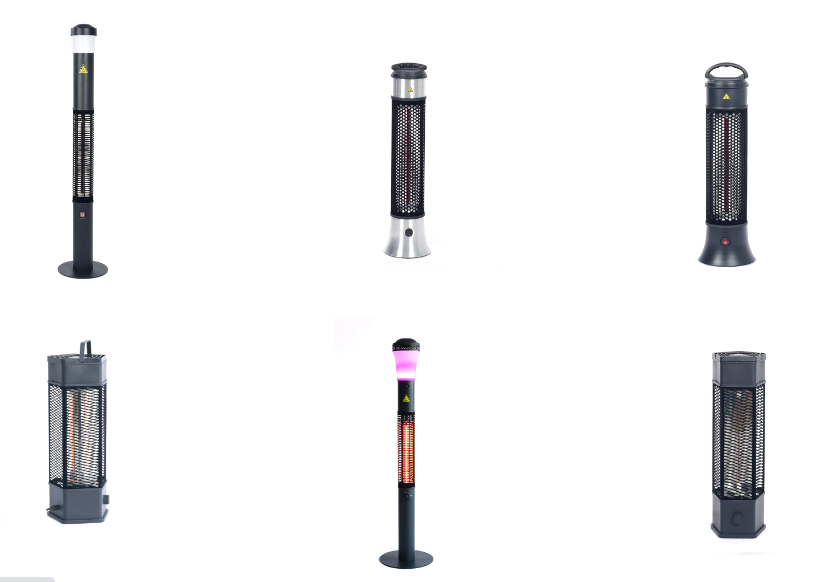
Let’s Talk About Why Your Patio Heater Actually Breaks
If you’ve ever run an outdoor bar or a patio, you know the drill. Salt air, rain, and those brutal temperature swings eventually eat everything. Even the best heating elements have a shelf life. The real nightmare starts when a tube burns out after a few years. Most people end up throwing the whole chassis in the trash or spending a whole afternoon fighting with a mess of wires just to get the heat back on. It’s a pain. And honestly? It shouldn’t be.
The “Swap and Go” Approach
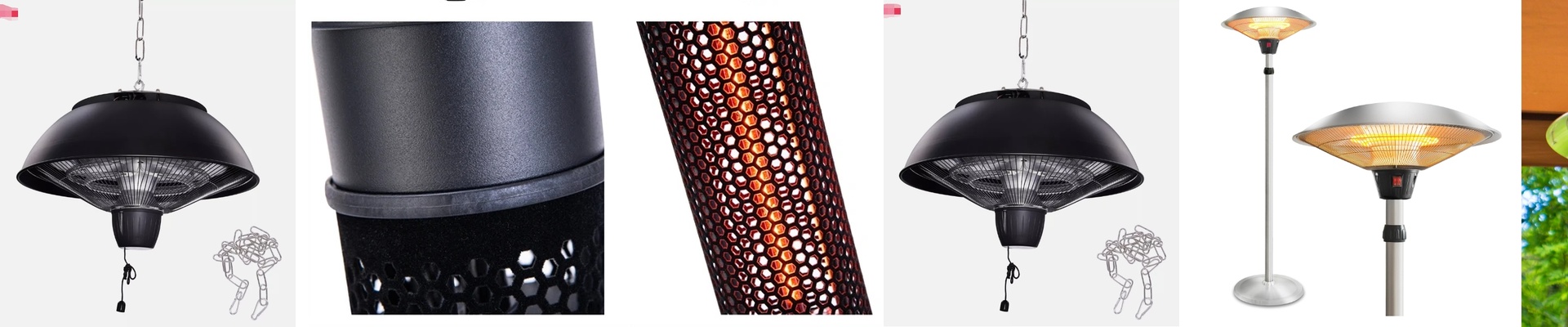
We decided to stop fighting the inevitable and just make the parts easier to replace. Instead of soldering the heating element directly into the power rail, we built them as modules. Think of it like a cartridge. When a tube finally gives up the ghost, you don’t have to tear the whole frame apart. You just slide the old one out and snap a new one in. It takes a few minutes. No stress, no swearing, no electrician needed.
The Waterproofing Struggle
Now, making something “easy to swap” usually means you’re leaving a door open for water to get in. That’s a bad trade. To fix this, we use sealed gaskets at the connection points. They keep the moisture away from the electrical terminals, which is where most outdoor heaters actually die. Sure, those seals make the installation feel a bit tighter at first—you have to give them a firm push—but that’s a tiny price to pay to stop corrosion from eating your hardware.
Keeping it Running
Here’s a pro tip: most infrared tubes fail at the end-caps. That’s where the metal expands and contracts the most. By making the element its own module, we’ve turned a “buy a new heater” problem into a “swap a part” solution. You can usually expect a tube to last several seasons. But keep an eye on your power. If your site gets a lot of surges, those elements will burn out faster. Every two years or so, just check the terminal tension. Make sure everything is tight so you don’t get any sparking. It’s a quick check, but it keeps the housing from warping and saves you a lot of money in the long run.