Why We Use Explosion-Proof Quartz in Wet Zones
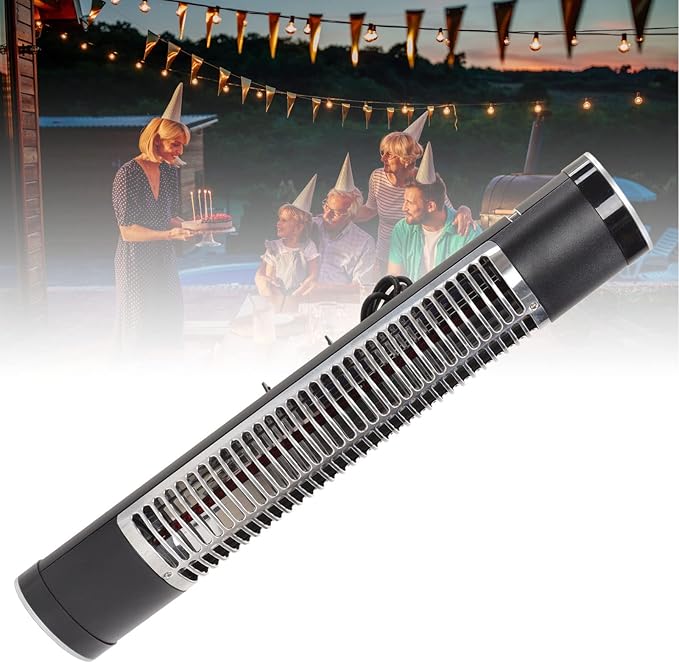
If you’re putting heating elements in a shower or a livestock pen, you’ve probably already thought about the moisture. But there are two other things that keep me up at night: thermal shock and electrical leaks. That’s why we don’t mess around with standard glass. We use explosion-proof quartz for our infrared lamps. Why? Because when a splash of ice-cold water hits a scorching hot surface, normal glass just gives up and shatters. The reality of the physics here is simple. Standard glass hates rapid temperature swings. Quartz, on the other hand, can handle those wild jumps without breaking a sweat. When we call it “explosion-proof,” we’re talking about a tube that can take internal pressure spikes and a few accidental bumps. Think about it this way: if a lamp pops in a wet area, you absolutely do not want glass shards and live electricity landing on a soaked floor. It’s a nightmare scenario. Let’s talk about the heat. These lamps use shortwave infrared. Instead of wasting time warming up the air, the heat goes straight into the surface. To make sure these things actually last, we use heavy-wall quartz to give the whole thing more muscle. You get a ton of heat in a small footprint. But here’s a tip: keep an eye on your mounting brackets. If you’re running a 500W+ lamp, cheap brackets will warp under the heat. It’s a common mistake, and it’s a pain to fix. Getting it installed. We designed these to slide right into your existing waterproof housings. Just make sure you wire them to a GFCI-protected circuit. That way, if there’s any leakage, the power cuts out instantly. And just a heads-up—quartz is tough, but it’s not a diamond. A direct hit from something heavy will still crack it. Make sure your guard is the right fit. You want something that protects the lamp from a physical hit but still lets those IR waves pass through without blocking the heat.