Why We Use Explosion-Proof Quartz in Bathroom Heaters
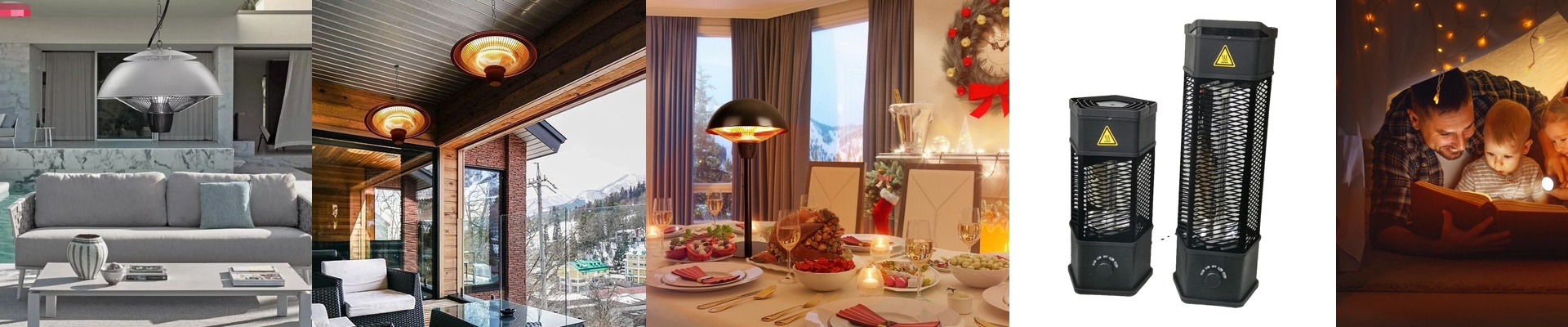
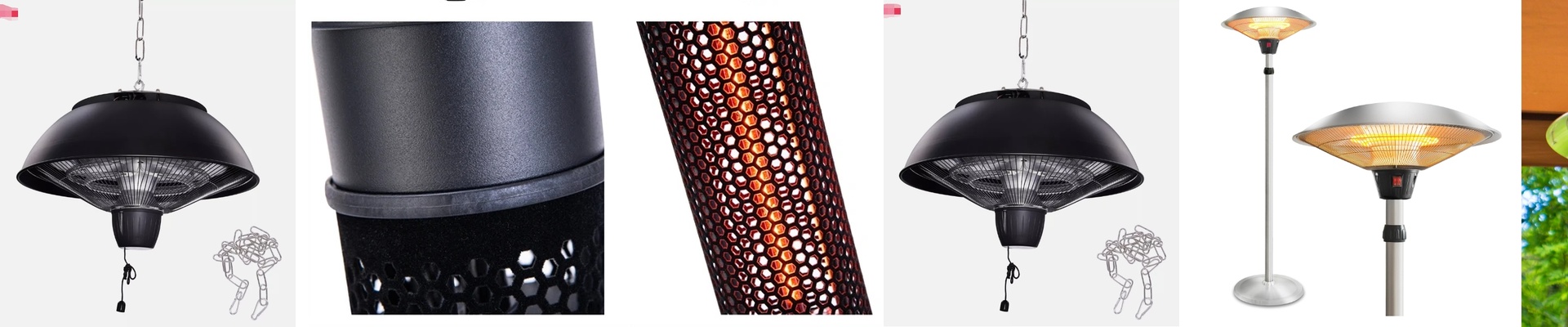
Think about your bathroom on a freezing January morning. You’ve got the heater cranking, the lamps are glowing red-hot—probably over 500°C—and then a stray drop of water hits the glass. With a regular quartz tube, that’s a recipe for disaster. The sudden temperature drop causes the glass to freak out and shatter instantly. Nobody wants a rain of glass shards while they’re stepping out of the shower. That’s exactly why we use explosion-proof quartz. It’s all about handling the stress. Standard quartz is tough, but it has a breaking point. When a cold droplet hits a scorching tube, it creates a tiny, intense point of tension. If the glass isn’t reinforced, it snaps. We solve this by adding a specialized internal mesh or a protective outer film. Think of it like a safety net. Even if the quartz does crack, the film keeps everything held tight. It stays put, and you stay safe. Instant heat, without the burnout. These heaters use short-wave infrared. It’s a bit of science that feels like magic: the heat cuts right through the humid air and hits your skin directly. You don’t have to wait around for the room to warm up; you feel it the second you flip the switch. But that kind of intensity puts a lot of pressure on the tube walls. We’ve spent a lot of time balancing the wattage—usually between 400W and 800W—so you get that “instant thaw” feeling without burning out the lamp in a few months. The “catch” with installation. Here’s the thing: you can’t just plug these into any old circuit and hope for the best. When these lamps first kick on, they pull a lot of current. If you use cheap, undersized terminals, they’ll literally melt. It’s not pretty. We insist on heavy-duty ceramic holders because they can actually handle the heat. Sure, it costs a bit more than a cheap ceramic heater, and the installation is a little more rigid. But when it comes to electricity and glass in a wet room, “cheap” is the last thing you want.