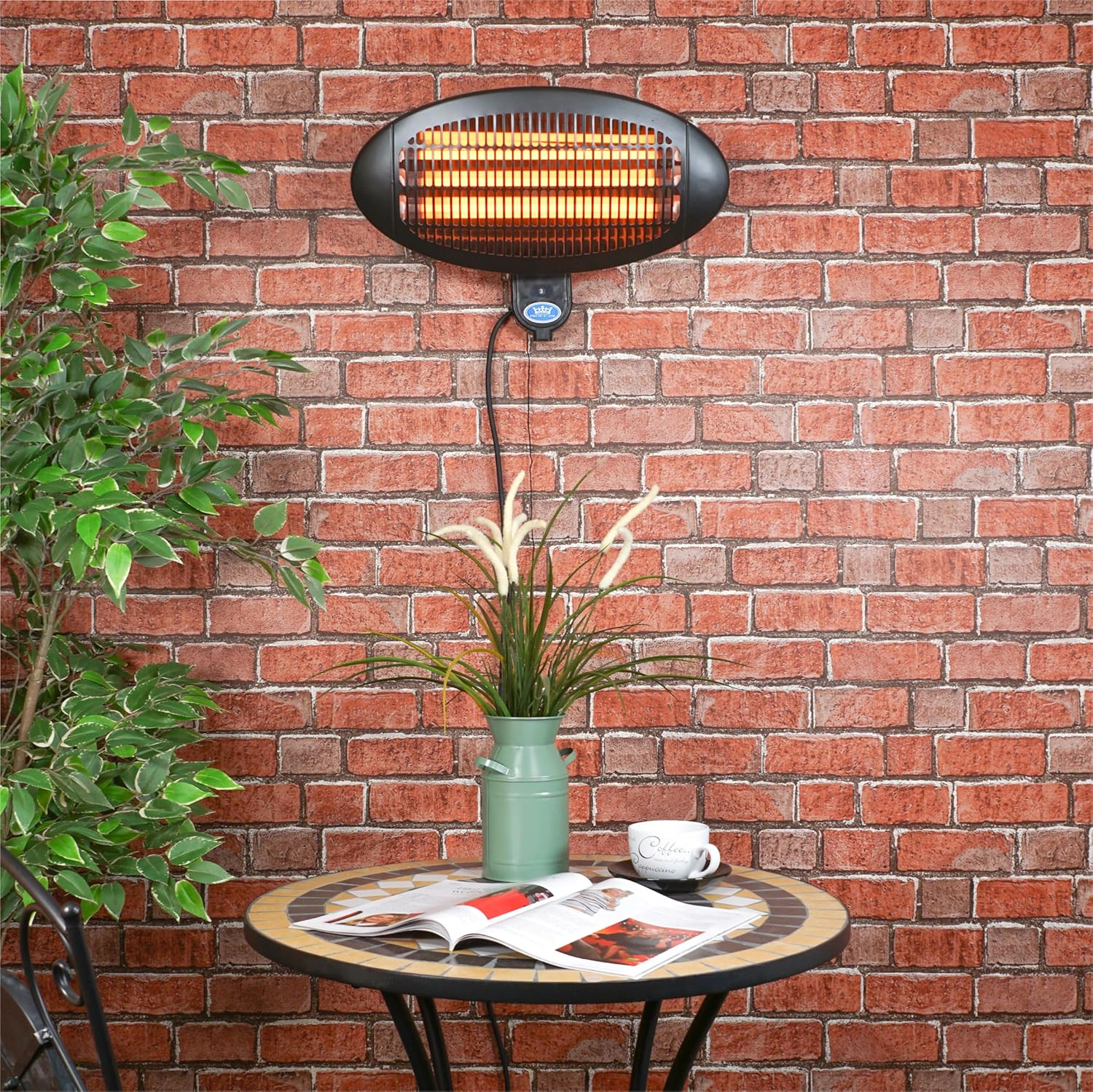
The Secret Weapon in Smart Heating: Far Infrared Heaters
You know how most heaters feel? They take ages to warm up, and then they linger, radiating heat even when you don’t need it anymore. It’s a bit clunky. Far infrared heaters are different. Their real superpower in a smart home isn’t just about being precise—it’s about beingfast. They have this thing called low thermal inertia, which is basically a fancy way of saying they respond on a dime.
The Magic Behind the Speed
Here’s the thing about these heaters: they don’t mess around. They hit the temperature you want almost instantly, and the moment you cut the power, they stop. No lingering. No wasted energy. Think of it like a light switch. Flip it on, you get light. Flip it off, it’s dark. That’s how clean the on-and-off cycle is. For a smart system, this is huge. It means you’re not wasting power keeping a big, slow-to-react element hot. You only get heat exactly when you need it. That’s how you save real energy—not by trying harder, but by working smarter.
Why the Design Matters
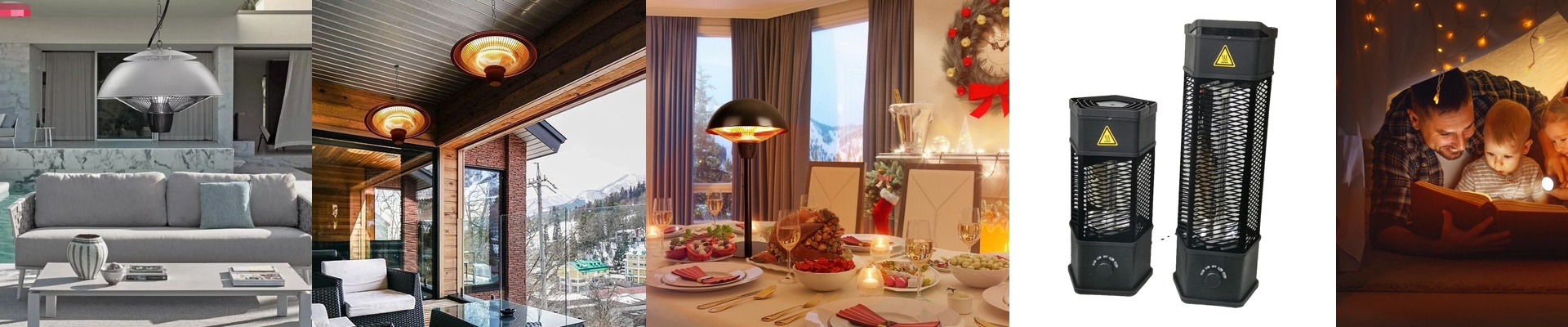
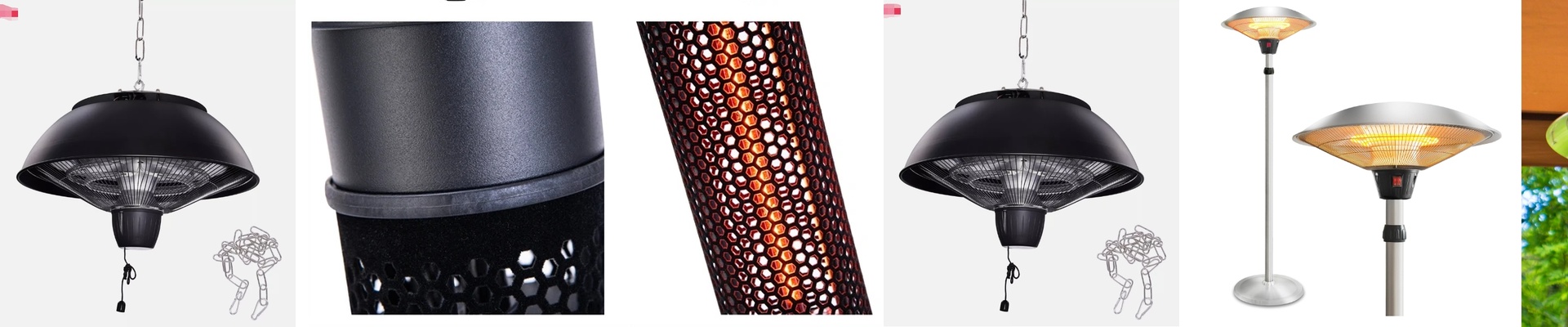
We built these heaters to be quick on their feet. The whole point is to heat up fast and cool down just as fast. And we chose far infrared for a reason. It doesn’t waste time warming the air. It sends heat directly to the people and objects in the room. So you feel warmth right away, where it counts. The air doesn’t get all stuffy, and you’re not paying to heat empty space. It’s focused, direct, and efficient. This design also plays nicely with the fast cycling that smart systems demand. It keeps everything responsive and tight.
How It Actually Works in Your Home
Imagine your smart climate system using these heaters like a precision tool. Instead of running for hours, it can turn the heat on in short bursts to keep things comfortable, then shut off completely. It’s like having a thermostat with perfect timing. Of course, that kind of rapid switching takes solid circuitry to handle it smoothly. But when it’s done right, the payoff is clear. You end up using fewer watt-hours, which means less strain on your home’s electrical system. It’s a direct, measurable win—one that shows up in your energy use, not just in theory.