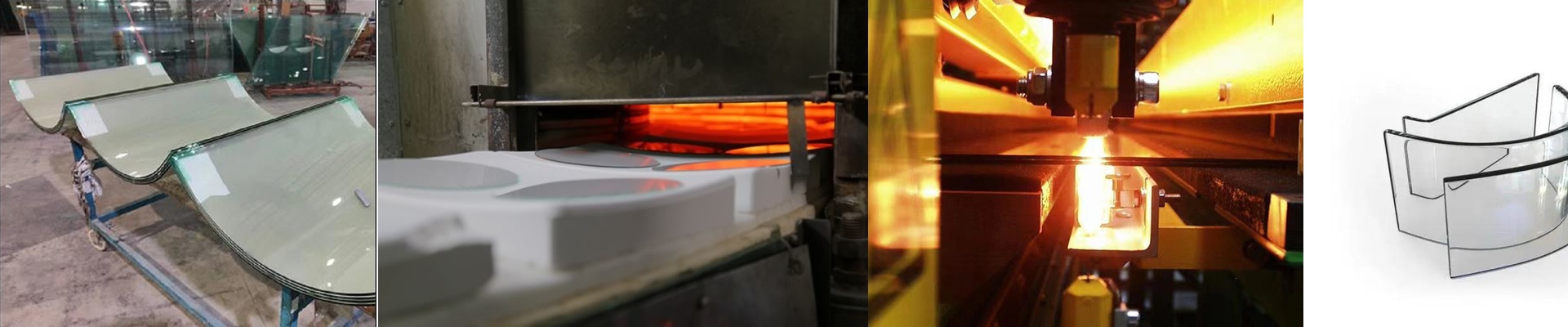
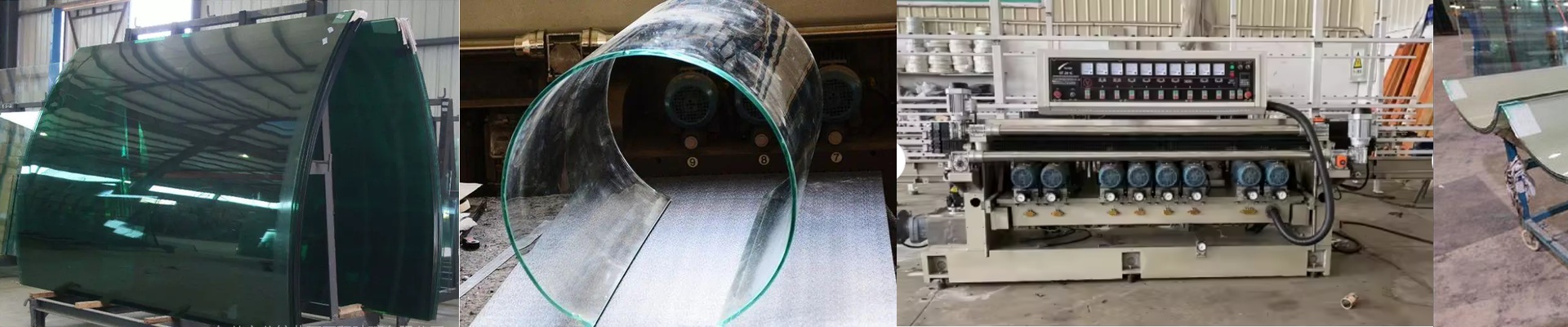
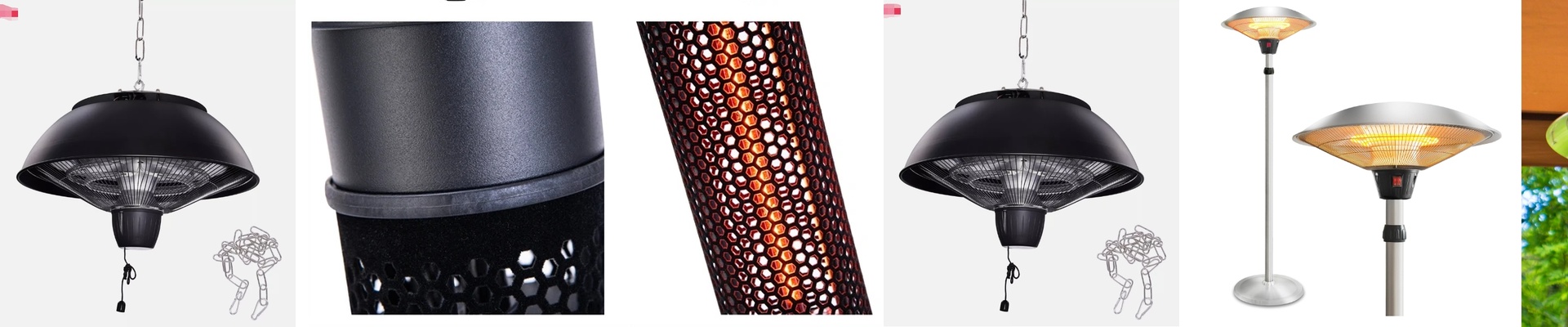
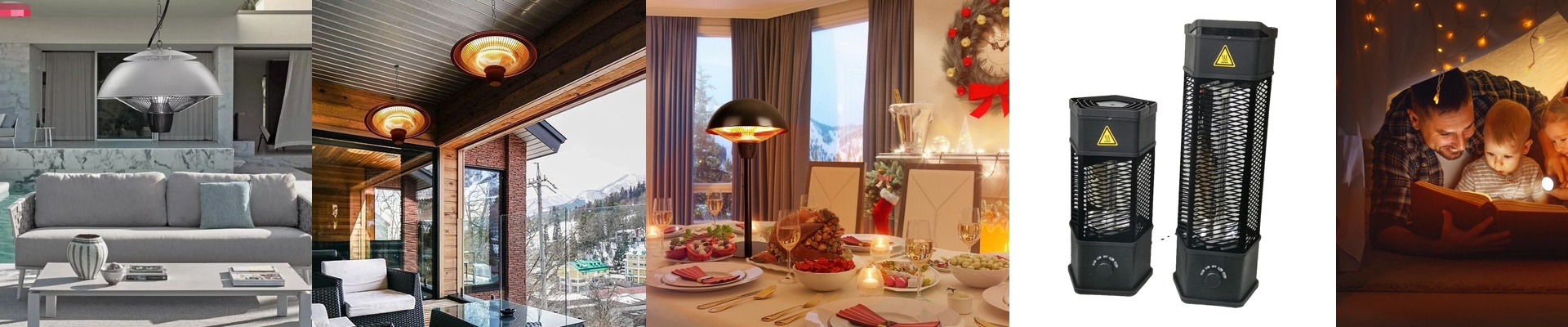
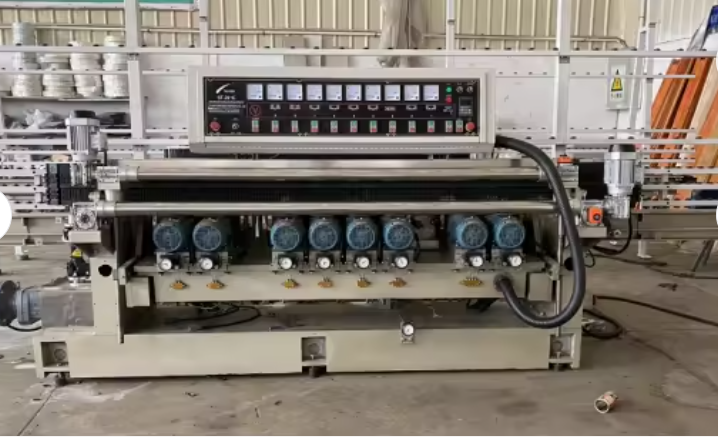
On the glass line, heat is your lever. Let the thermal profile drift, and you pay for it in scrap—stress fractures in tempering, weak adhesion in lamination, and coating defects that only show up later. That’s where ceramic infrared heaters earn their keep. They give you repeatable control in spots where convection just can’t keep up. We build these emitters for real glass work: high emissivity ceramic elements, fast response, and a tight, stable thermal field. The short-wave infrared energy punches through the glass quickly, so you hit setpoint without scorching the surface. The payoff is shorter heating cycles, less soak time, and a more uniform temperature across the pane. That uniformity cuts thermal stress and keeps optical quality consistent—whether you’re bending, tempering, or drying coatings. Here’s the simple part. You use energy only when you need it, instead of holding a full furnace. Field data show typical energy reductions of 15–25% compared with convection-heavy zones, and we’ve got units running 5,000+ hours with less than 5% output drop. Yield improves because the heat profile repeats shift after shift, trimming rejects from warp, bow, and adhesion variability. Maintenance drops, too—fewer moving parts, no burners to tune, and modular replacement that gets the line back up fast. Installation is straightforward on most presses, ovens, and tempering lines, but alignment is everything. The emitter array has to match the glass path and the clearances; otherwise, you get shadows and banding. Match voltage, watt density, and dimensions to your machine footprint, and plan for clean power so voltage sag doesn’t bite at start-up. Treat the quartz or ceramic housing as a hot surface—guarding and interlocks are non-negotiable on the floor. Match the control strategy to the process. Ramp and soak profiles tied to pyrometer feedback keep the heat where it belongs, and the glass where it should be.