
Basements fight you on comfort. The air turns cold, then clammy, and the walls start to sweat. Forced-air systems feel like you’re throwing money at a problem—expensive to run, slow to respond, and often just moving humidity around instead of fixing it. Once the chill settles in, the space becomes a no-go.
What I built, and why it matters
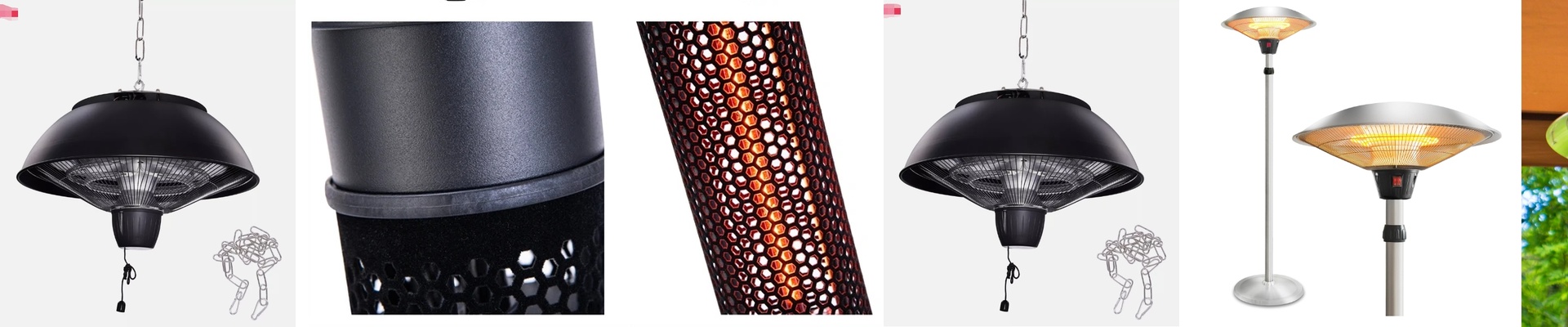
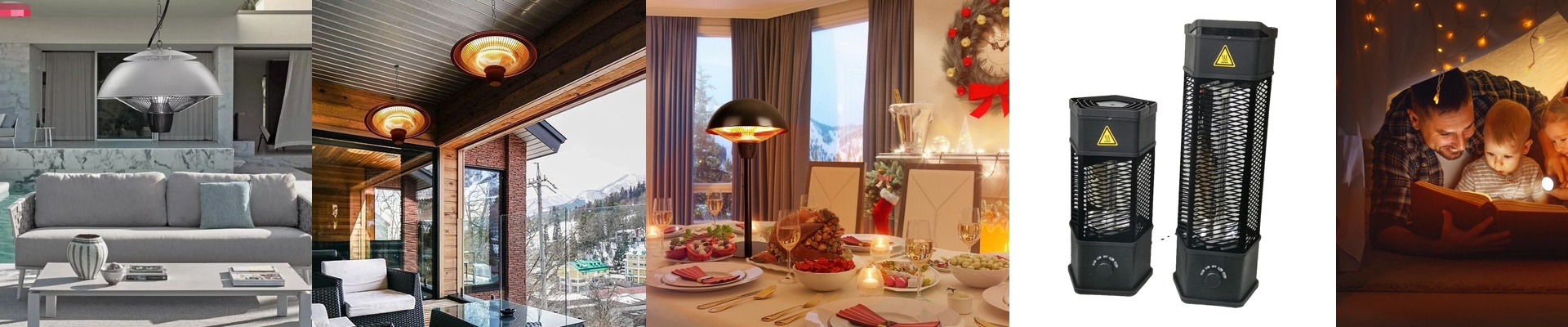
We built this low-power, wall-mounted infrared electric heater to work on radiant warmth, not moving air. A high-efficiency carbon fiber element puts out instant, targeted heat that warms people and objects directly, so you feel the comfort faster. It runs on standard 120V outlets and pulls far less power than typical resistance heaters, with precise thermostat control to keep operating costs predictable. Because infrared heat doesn’t stir up dust and drafts, the room feels steadier. You also get a surface-level drying effect that helps cut that damp, sticky feeling. The unit is designed to mount on the wall, so the footprint stays small and the warmth lands right where you need it.
Why it plays nice with basements
In a basement, the win is how the heater works with the space, not against it. Radiant heat warms you at floor level and around furnishings—exactly where basements always feel the coldest. With no fan to churn moisture, the air stays calmer, and condensation on walls and stored items eases up. You get usable square footage back without the shock of a big monthly energy bill.
The practical details—what to do, what to watch
For best results, mount the unit on an interior wall with adequate clearance and aim the warmth toward the main seating or work area. Infrared heat is directional, so coverage is strongest in open lines of sight; tight corners and obstructed zones may need a second unit or a different layout. And as with any electric heater, check local codes and use a dedicated circuit when possible to keep operation safe and stable.