
A caravan bathroom is a tight, damp box that doesn’t forgive mistakes. If the heat drags its heels, towels stay clammy, the floor stays cold, and the air just feels heavy. You don’t need a blast of hot air that burns through power. You need infrared warmth that shows up the second you need it and hits exactly where you stand.
What matters, technically
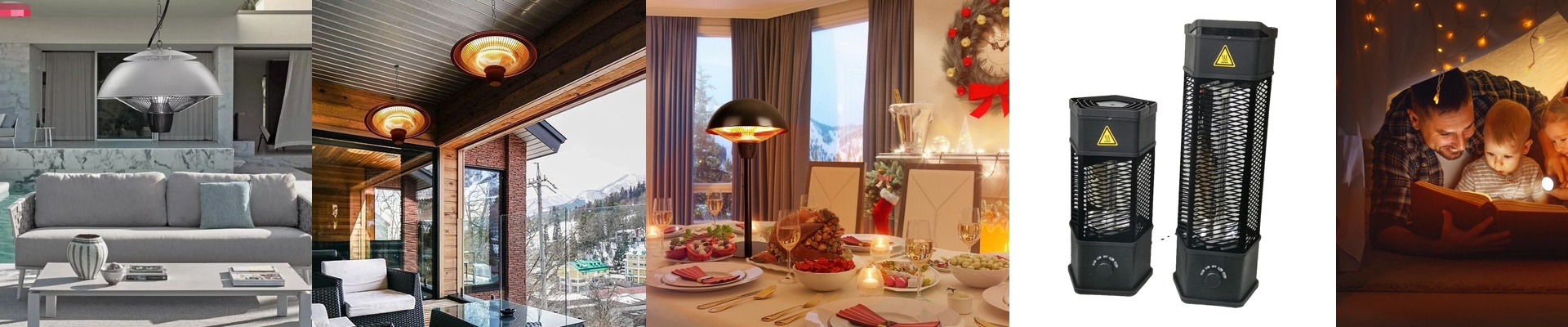
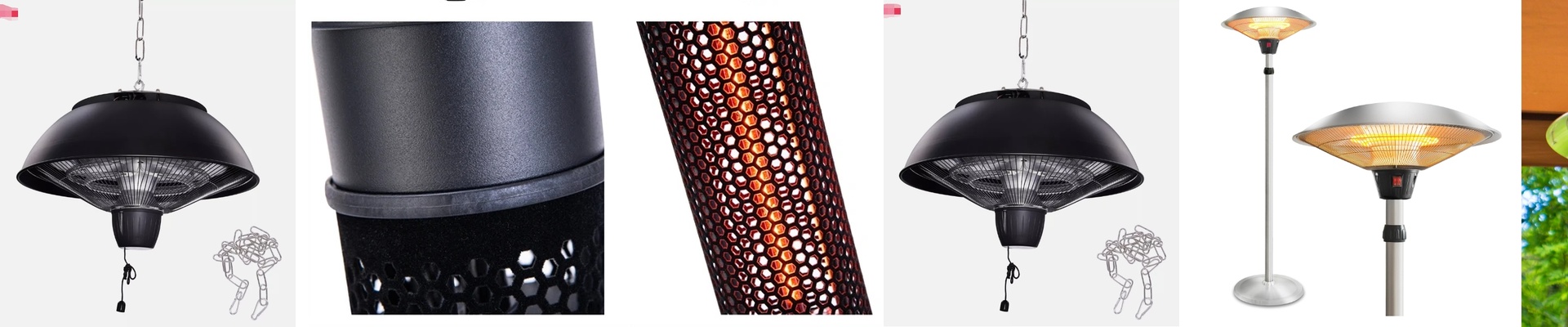
When you’re talking infrared heating for a caravan bathroom, it comes down to wattage, wavelength, and control. We build our electric infrared heaters around a focused radiant element—usually a quartz tube or a carbon fiber filament—that sends heat straight to people and surfaces, not to the air. In practice, you feel warmth within seconds, not minutes. Size the wattage to the room. As a practical baseline, plan roughly 100–150 watts per square meter for a typical enclosed bathroom, then tweak for insulation and exposure. For a compact 2–3 m² space, a 250–400 W unit is often enough to keep surfaces comfortable and stop the mirror from fogging. For a larger 4–6 m² bathroom, step up to 600–900 W to hold steady comfort without running the heater for long stretches. Add an integrated thermostat and you cut out constant cycling, so energy use tracks what you actually need.
Why it fits the job
Caravan bathrooms need heating that responds quickly, respects limited power, and doesn’t eat up floor space. Infrared shines because it warms you first, so the space feels comfortable sooner—especially when you step out of the shower. Since the heater isn’t fighting to heat the entire air volume, you can run it on demand. The payoff is obvious: dry towels, a warm floor underfoot, and a clear mirror without wrestling with excess condensation. Efficiency isn’t just about wattage. It’s about matching output to the room and using control to prevent waste. When the heater is properly sized, you get the comfort you want without overspending on electricity, and the interior climate stays stable.
What you need to know
Installation matters. Go with a 12 V or 24 V caravan-compatible electric heater wired into the vehicle’s system, and make sure the circuit can handle the load. Place the unit so it radiates toward the shower area and vanity, but keep clearances so nothing—curtains, towels—ends up too close. In damp spaces, protection is non-negotiable. Look for a unit with appropriate splash resistance—typically an IP rating—and confirm the housing and seals are built for humid conditions. One real-world note: infrared heat delivers comfort fast, but it won’t heat the entire air mass the way a fan heater does. On very cold mornings, pair it with a small background heater or run the infrared unit a few minutes before you step in.