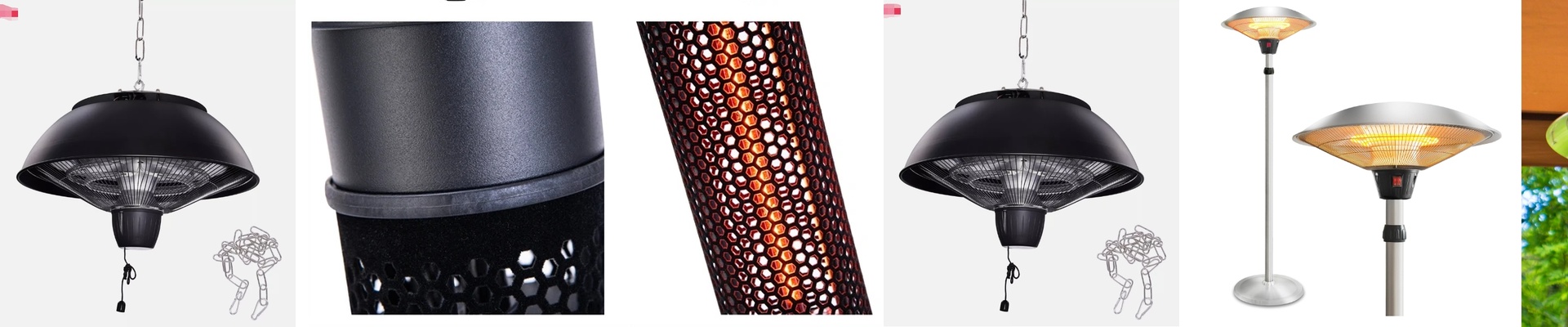
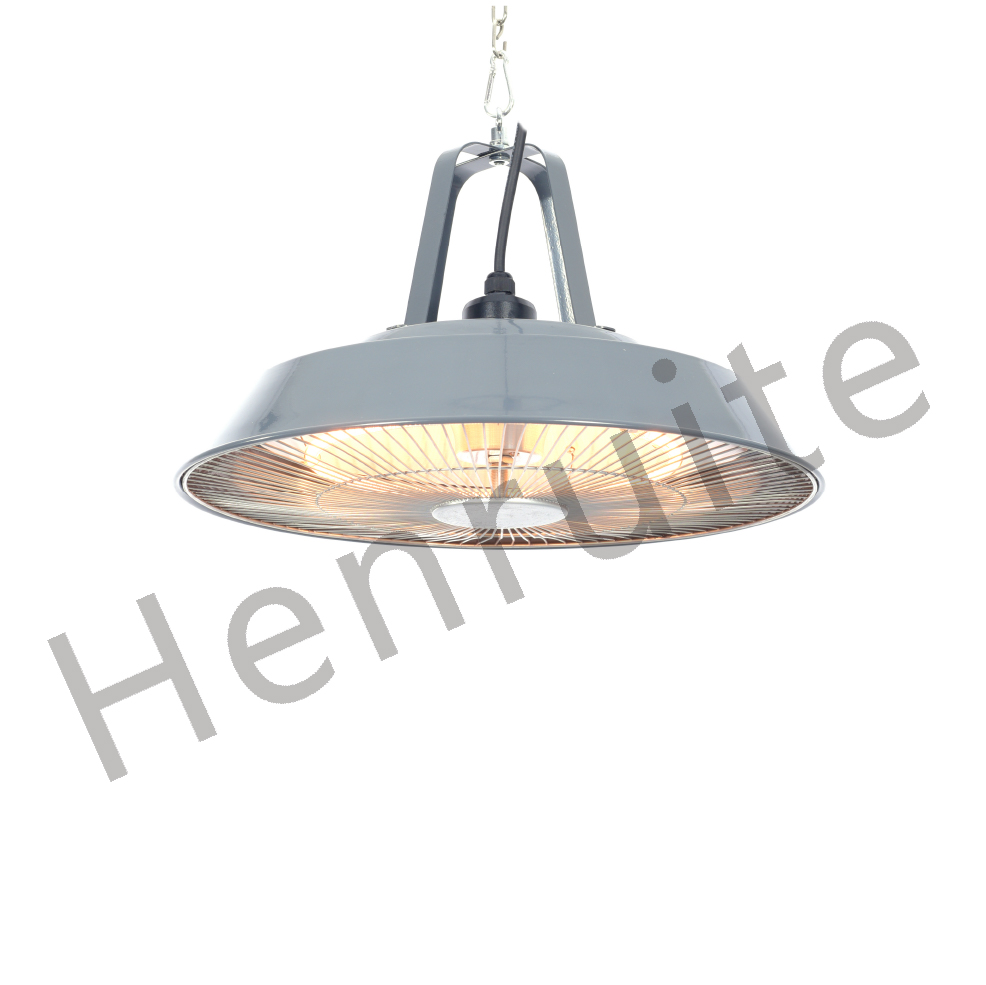
When you’re trying to keep a nursery warm and calm, comfort starts with the air. Forced-air heaters tend to dry the room out, pull oxygen, and add mechanical noise that gets in the way of sleep. Infrared electric heaters take a different approach: they deliver radiant warmth that leaves the air alone and keeps things quiet.
What matters, technically
Infrared electric heaters warm objects and people directly, the way the sun does, without moving air. The heart of the unit is a carbon fiber or quartz element that produces gentle, directional heat—no fan involved. That means no oxygen is consumed, and you don’t get the drying effect. Output is measured in watts, typically 800–1500W for a room-sized unit, and most models plug into a standard 120V home circuit. A built-in thermostat holds the temperature steady, and tip-over protection shuts the heater off if it gets bumped over. If you’re using one in spaces that open to the outdoors, look for an IP rating that tells you how well it resists dust and moisture.
Why it fits this use case
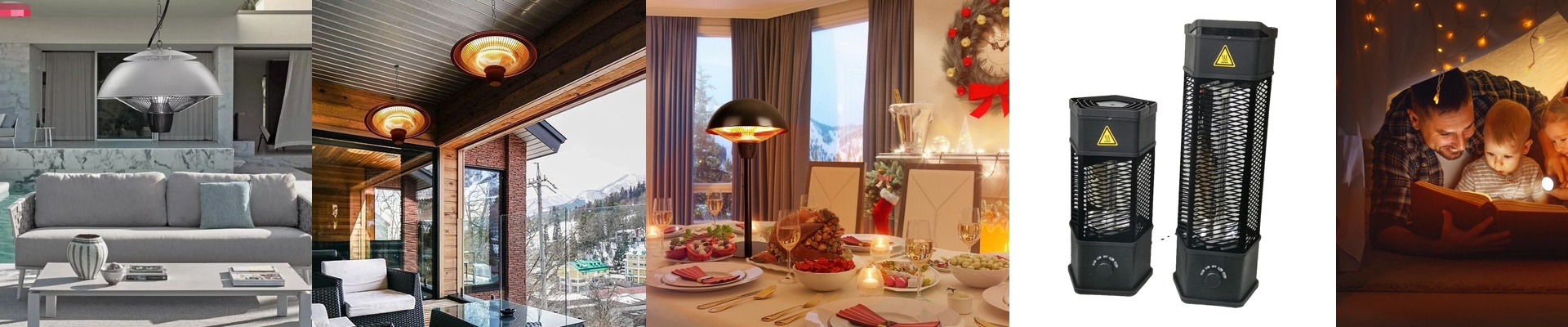
With infants in the house, you need warmth you can count on, and air that stays clean and quiet. Infrared warmth keeps the crib, changing table, and floor at a stable temperature without the on-off cycling—and without that drafty feel forced air can leave behind. Because the heater doesn’t pull oxygen, levels stay steady, and the room feels fresher. And without a fan, there’s no whirring or clicking—just a soft glow and steady comfort. The same logic works in living areas that open to a patio or balcony: people feel cozy even when the air is cool, so the whole space feels more lived-in.
What to keep in mind
Infrared electric heaters shine at spot heating and in small-to-medium rooms. They warm what they can “see,” so placement matters—direct line-of-sight to the crib or seating area gives you the most even comfort. Match the wattage to the room size, and plug the unit into a dedicated outlet. Avoid extension cords, and keep the heater well away from fabrics and other combustibles. In very cold rooms, pairing infrared with a gentle way to circulate air can help even out comfort.