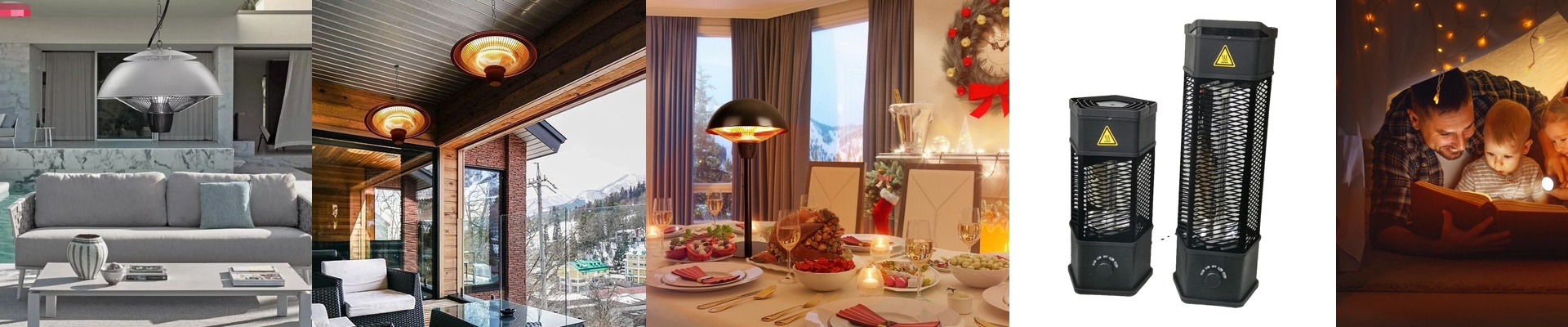
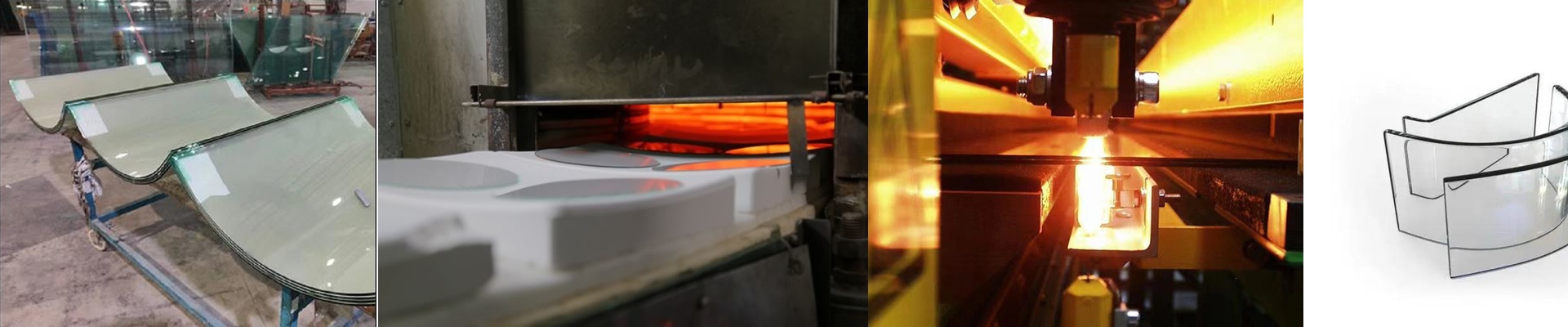
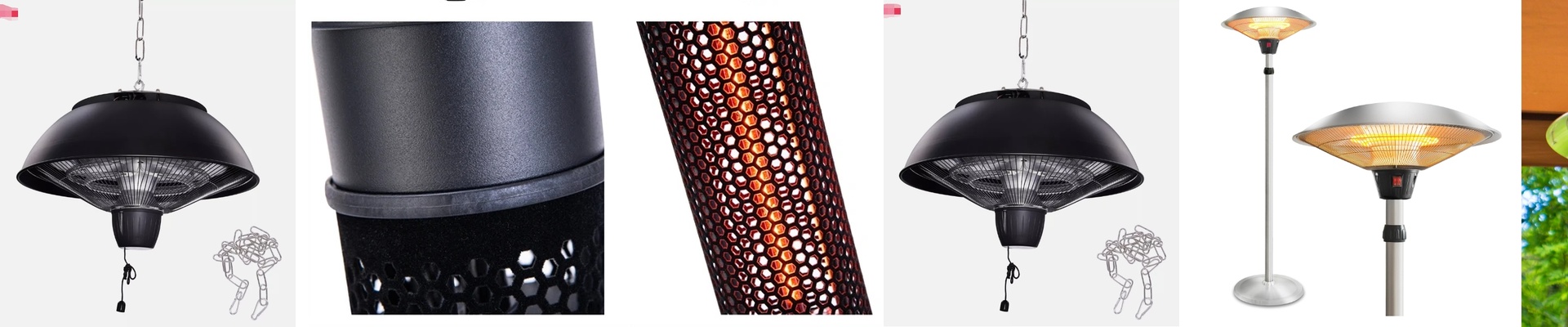
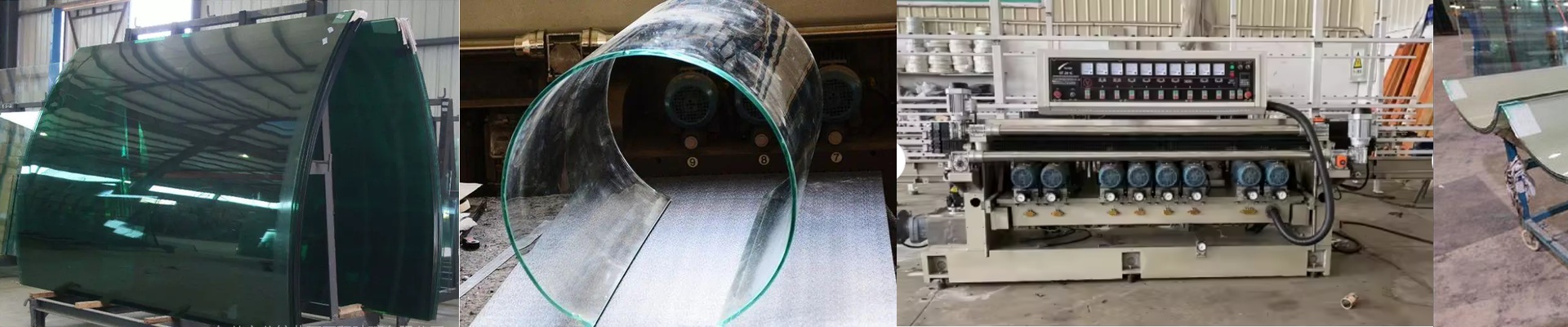
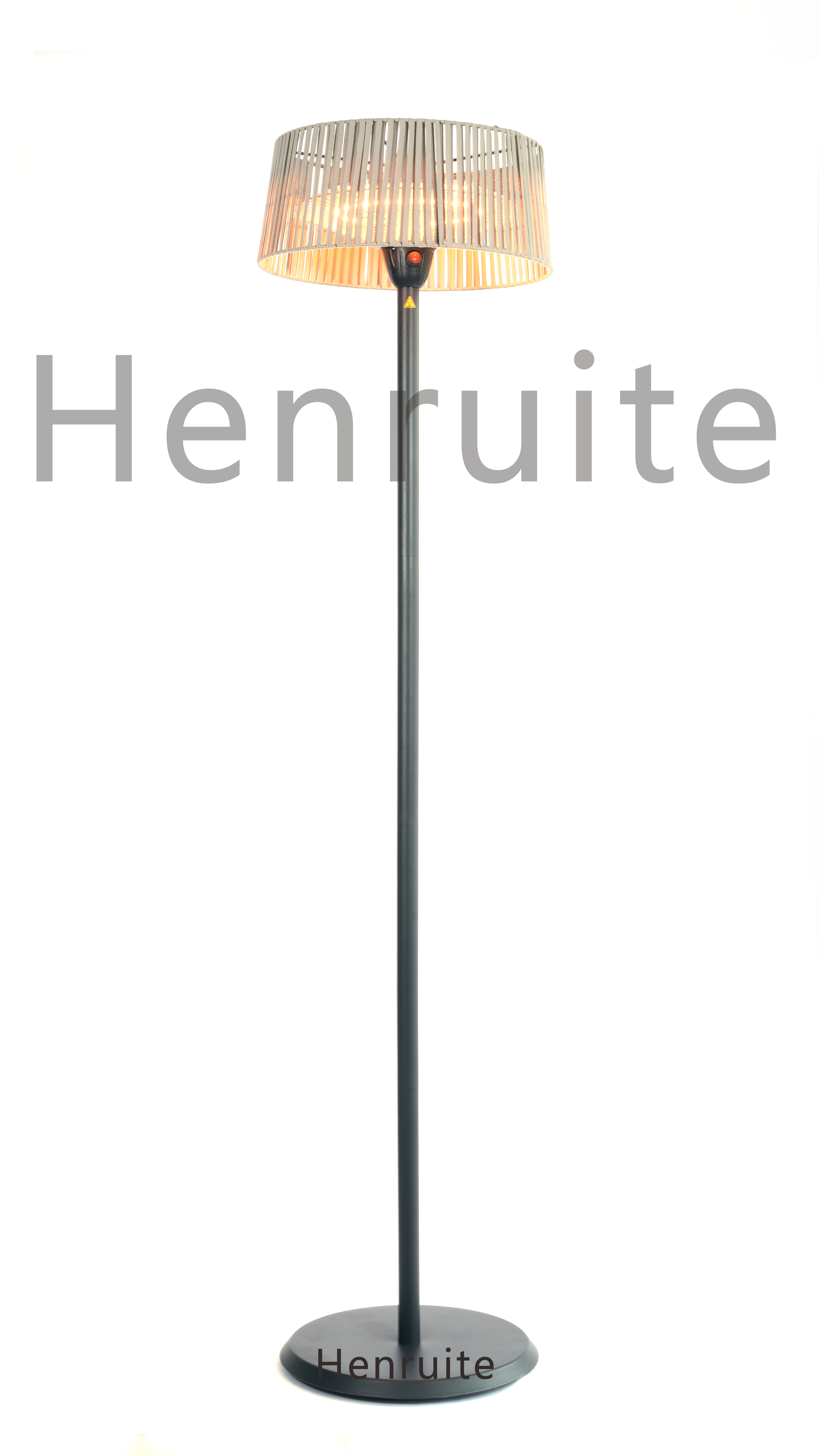
Walk the line and you hear it—the steady hum of machines running hot. Every infrared electric heater gets a full-power burn, right through the aging cycle. We don’t spot-check; we run 100% at full load before any unit earns a WiFi tag. The carbon fiber or quartz element, the thermostat, the relay, the control board—they all see real stress while we watch. The payoff is straightforward: fewer early failures and warmth you can count on when it matters.
What matters under the hood
A WiFi electric heater isn’t just an electric heater with an app. At the core is infrared radiant heat, delivered by a high-efficiency element that warms people and objects directly, not the air. Tack on a thermostat that holds steady comfort, plus safety circuits—tip-over protection, overheat cutoff, and an enclosure rated for outdoor use. Then add WiFi for scheduling, room-by-room targets, and remote adjustments. In practice, you get comfort fast, stable temps without endless cycling, and control from your phone when plans shift.
Why we age at full power
Full-power aging is how we protect your evenings. Infrared warmth is built for instant comfort—on the patio, in the workshop, or beside a chilly window. By pushing every unit through 100% load, we catch weak solder joints, marginal components, and early drift before they leave the building. That means fewer surprises, consistent output, and a heater that holds its settings. Add WiFi and you can preheat before guests arrive, back off when the sun returns, and keep energy use in line without losing coziness.
A few practical notes
WiFi performance depends on signal strength and router placement; a weak spot can make scheduling feel sluggish. Set up for a stable connection, or just use the local controls on the unit. And remember, because infrared heats people and surfaces directly, the surrounding air can still feel cooler—position the heater so it reaches the seating area, and you’ll feel the difference immediately.