
Putting Heaters in the Shower Without Everything Blowing Up
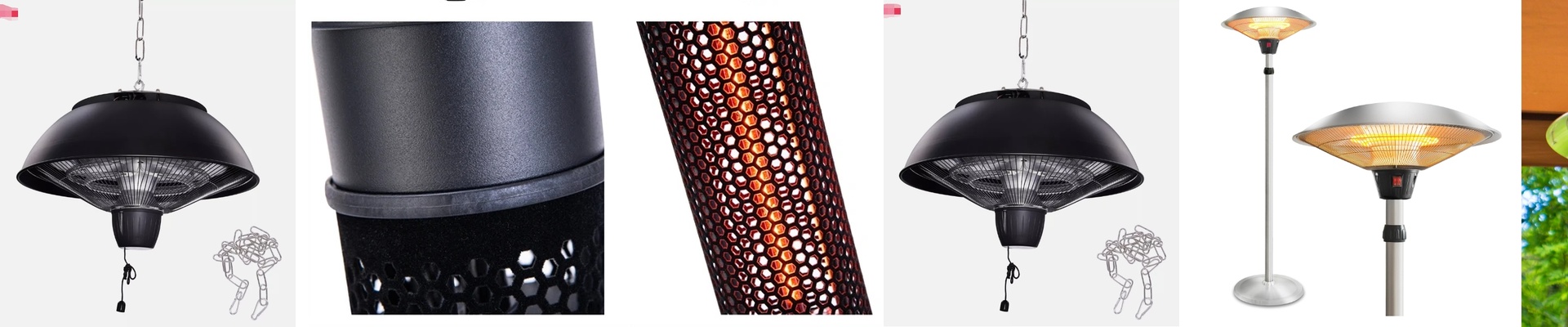
If you’ve ever tried to put a heater in a bathroom or a shower area, you know it’s a recipe for disaster. You’re fighting two things: steam and sudden temperature swings. Most standard infrared lamps are basically ticking time bombs in a bathroom; the second a bit of moisture gets inside the housing, they pop or short out. That’s why we stick with IP65-rated enclosures. In plain English? It means the unit is totally dust-tight and can handle water jets hitting it from any direction. It keeps the guts of the heater dry, which is the only way to make this work.
Why we use Quartz (and not just glass)
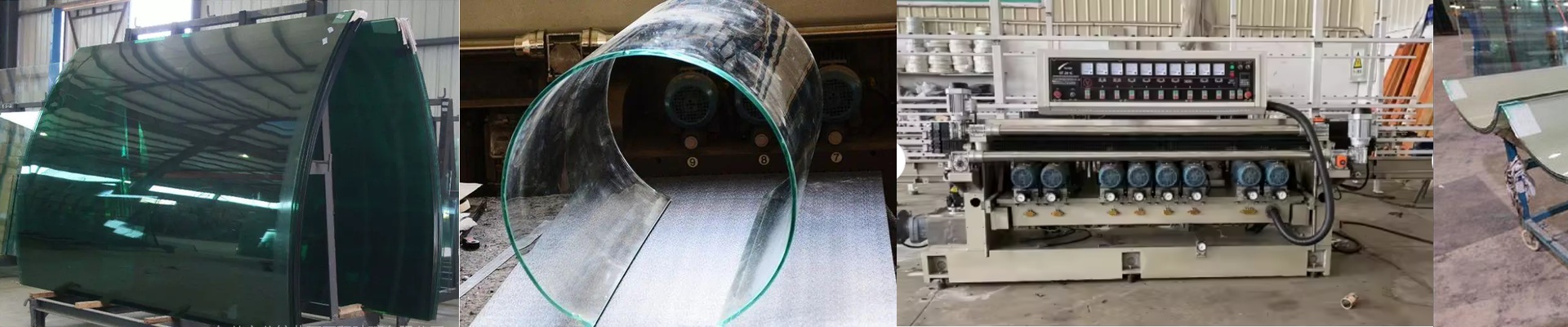
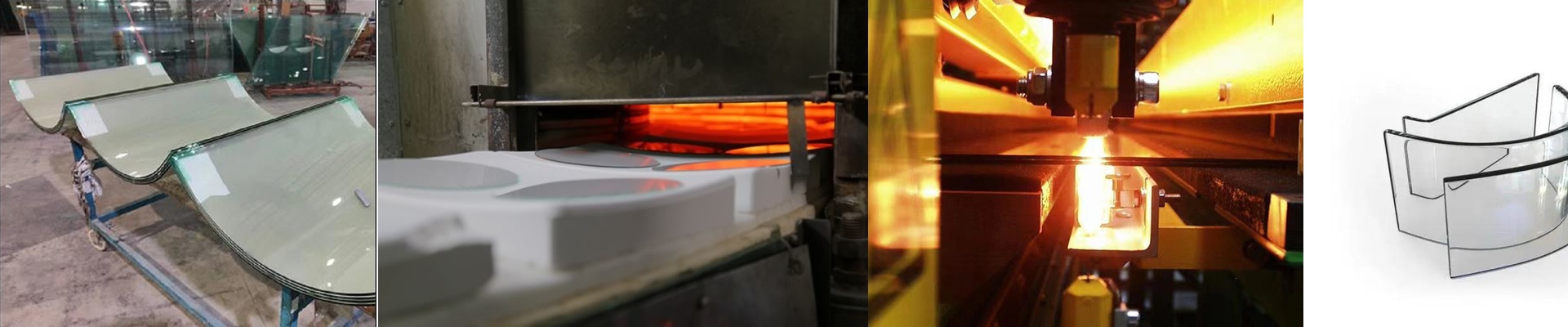
Here is the thing about glass: it hates surprises. If you have a tube sitting at 600°C and a single cold drop of water hits it, the glass will shatter. It’s a mess. We use explosion-proof quartz tubes instead. Quartz is much more chill when it comes to temperature swings. When we say “explosion-proof,” we just mean the tube won’t burst when things get extreme. We seal these with high-temp gaskets to keep the halogen gas inside and the steam outside. Simple.
The Electrical Side of Things
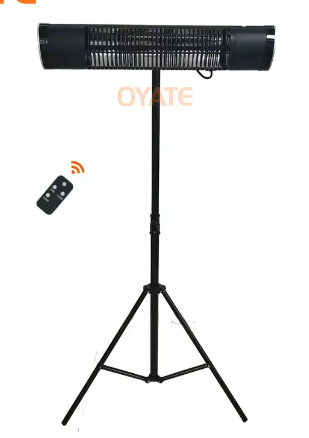
These units are designed to pack a lot of heat into a tiny space. The best part is that the infrared heat hits you instantly. It doesn’t waste time trying to warm up the air in the room first, which is a lifesaver if you’re dealing with a drafty bathroom. But, a word of warning on the wiring. These quartz lamps pull a lot of power. If your circuit isn’t ready for that initial surge, you’re going to be tripping your breakers every time you turn it on. Also, keep in mind that while the housing is safe, that quartz tube getsscary hot. If you touch it, you’ll get burned. Always install these with a proper guard.
Don’t Cheap Out on Materials
I’ve seen cheap heaters use thin glass or flimsy seals. They leak. Every single time. Once moisture touches that tungsten filament, the lamp is dead. By using thick-walled quartz and a real IP65 seal, we stop the leaks entirely. That means the only thing that will eventually wear out is the filament itself, not the housing. It’s just the only way to do it safely when you’re dealing with a wet zone.