
Getting High-Density IR Heating into Mobile Glass Brackets
Trying to cram rapid heating into a mobile glass repair bracket is basically a fight against physics. You’ve got zero room to work with and strict voltage limits, but you still need the glass to hit molding temperature fast. You can’t exactly haul around a massive power cabinet in your van, so we go with shortwave infrared (SWIR) elements.
The struggle with power and space
When you’re building a mobile unit, bulky transformers are your enemy. There just isn’t space. The trick is to squeeze as much wattage as possible into every millimeter of the quartz tube. We use high-density tungsten filaments to pack a ton of thermal energy into a tiny footprint. The goal? Get that glass to transition temperature in seconds. But here’s the catch: you have to play nice with your onboard power supply. If you try to shove too many watts through thin wiring, you’ll hit a voltage drop that kills your heat-up time. It’s a delicate balance.
Dealing with heat and materials
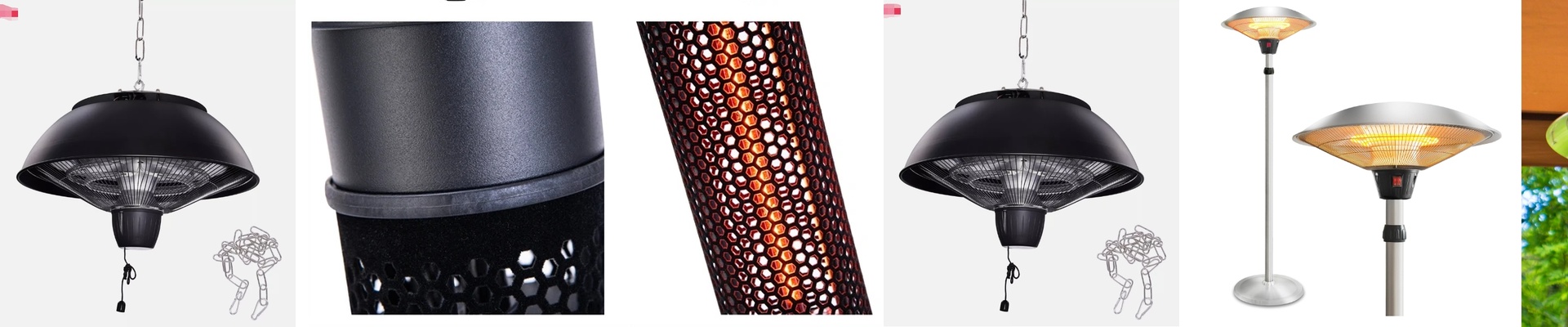
We stick with quartz envelopes because they let shortwave radiation fly right through without soaking up the heat themselves. For these mobile brackets, we often use coated tubes. This helps push the heat directly onto the glass surface instead of wasting energy heating up the air or the metal frame of the bracket. And honestly? The connection point is where most of these units fall apart. If you don’t use ruggedized connectors, the lamp will just shake loose the moment you hit a pothole during transport.
The trade-off: Power vs. Lifespan
Here is the reality: high heat density comes with a price. When you push a miniature lamp to its absolute limit, the internal pressure of the halogen cycle spikes. That means your lamp is going to burn out faster than a larger, lower-density tube would. You’ve also got to think about the “bake” factor. If your bracket is too enclosed, the ambient heat will literally melt your wiring insulation. We use high-temp silicone leads to stop short circuits from happening, and you’ll need to be smart about your cooling vents and duty cycles so you don’t melt your sockets.