

Introduction
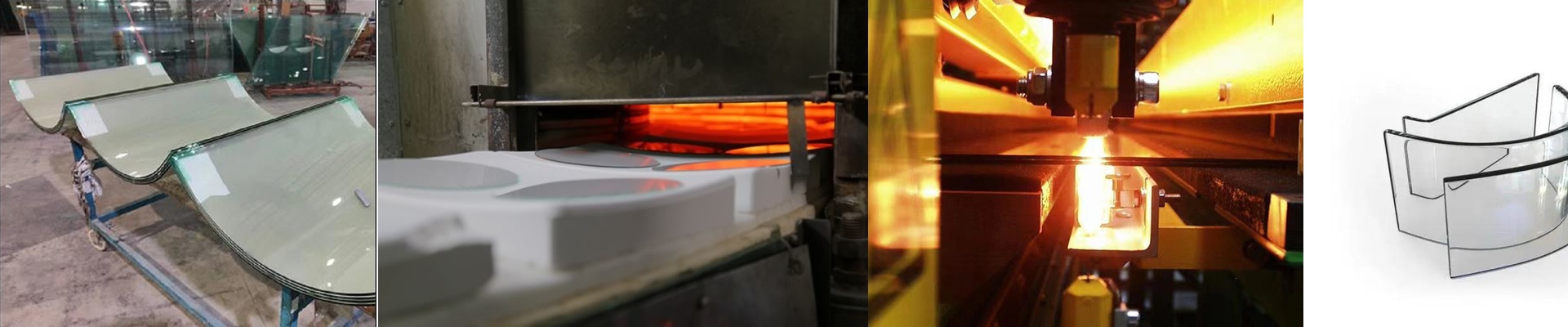
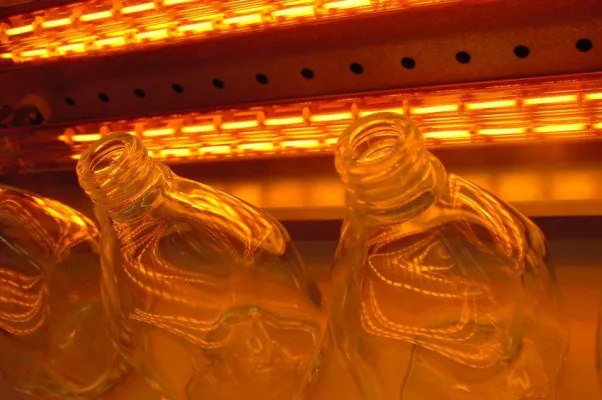
Ever run a glass annealing kiln and felt like you were fighting shadows? You know the feeling—those awkward, complex shapes that just won’t heat evenly. Standard heating elements leave blind spots, and that means uneven stress relief. We built our batch furnace heating element to fix exactly that. It uses a high-intensity infrared halogen lamp that throws heat right into the hard-to-reach places. The result? Every crevice gets the same treatment, no matter how wild the shape.
The Tech, Without the Tech-Speak
This thing runs on 400V. That higher voltage means you draw less current for the same power, which cuts down on wasted energy and keeps voltage steady even over longer runs. And it’s small. Really small. We’re talking about a 300mm tube. That compact size lets you pack more into the kiln, getting the heat source closer to the glass without eating up space.
What It’s Made Of—And Why It Matters
Inside, it’s shortwave halogen tech, all wrapped up in a quartz tube. The payoff? It heats up fast—full power in seconds, not minutes. And that quartz envelope? It handles the shock of rapid on/off cycling like it’s no big deal, which is exactly what you need in a batch setup. Installation is simple, too. It uses an R7s connector—those double-ended pins that snap the element into the brackets and lock it in place. No wiggle. No shifting mid-cycle. Just solid, steady alignment.
Where It Shines—And What to Watch For
This shines when you’re annealing tricky glassware. Traditional convection heat just can’t get into those deep corners. But the infrared beam wraps around the contours, hitting the glass directly instead of warming up the air around it. No more cold spots. Cycle times get shorter. But here’s the catch: it’s powerful. A 400V, high-wattage element throws off serious localized heat. So you need to make sure your kiln’s cooling and ventilation are up to the task. Otherwise, nearby components can get too hot.
The Reality Check
That intense heat is a double-edged sword. It’s what gives you the penetration to handle complex shapes, but it also puts real pressure on your cooling system. Before you wire up the whole array, plan your heat dissipation. Seriously.
The Specs That Actually Matter
Because it uses the R7s connection, this is a straightforward swap-in for existing halogen setups. You get the coverage you need without reworking the mounting footprint.
The Bottom Line, Without the Fluff
If you’re running a glass annealing line and you’re tired of temperature blind spots, this element setup is a practical, physics-driven fix. It cuts through the problem by getting heat where it needs to go—period.
One Last Tip
When you’re planning your next batch furnace upgrade, match the element length to the tightest clearance in your load. The closer it is, the better it covers.