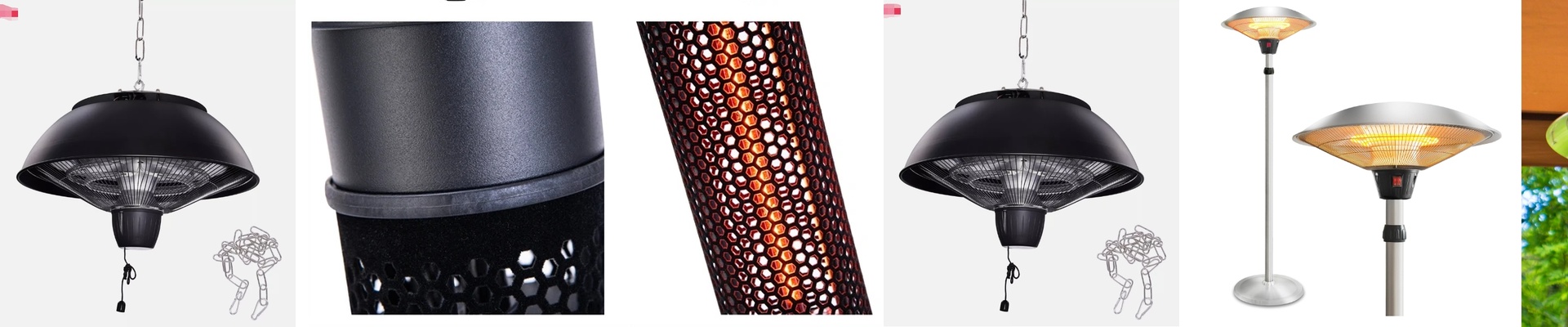
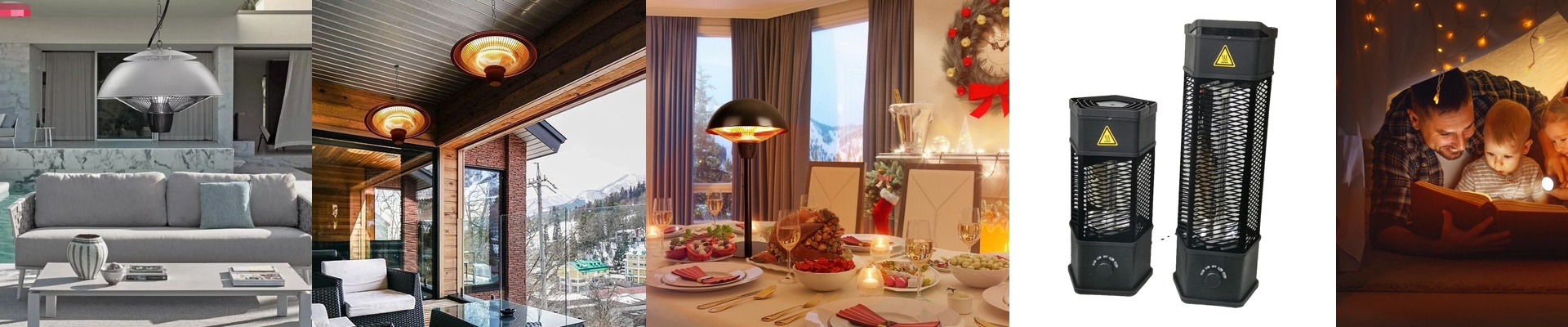
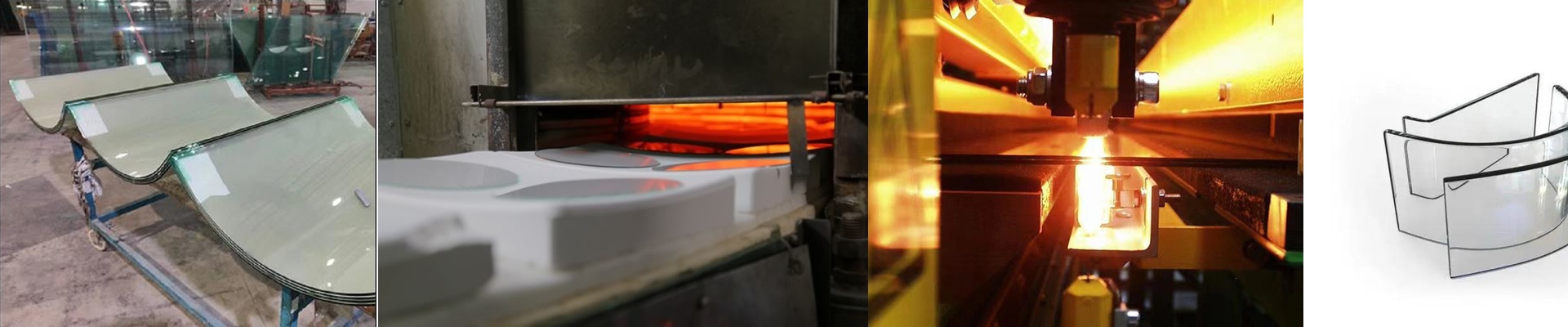
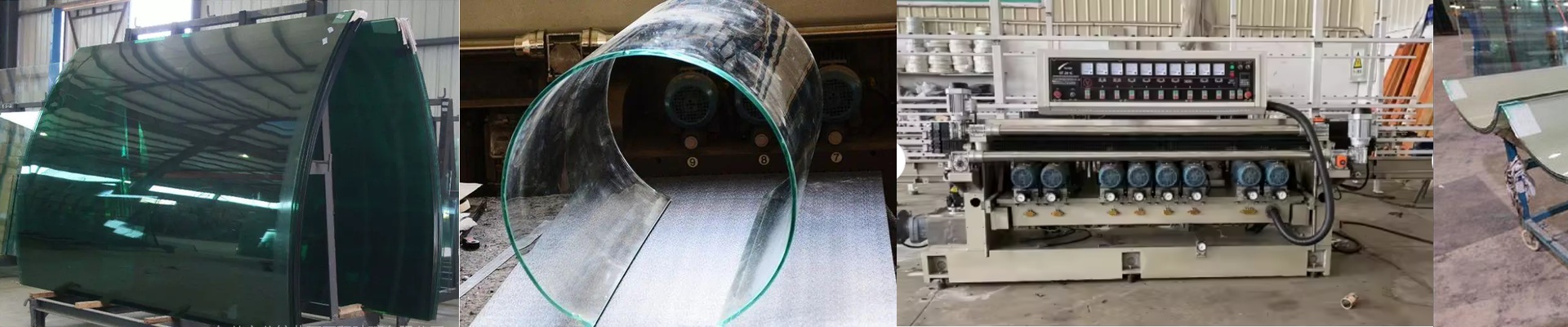
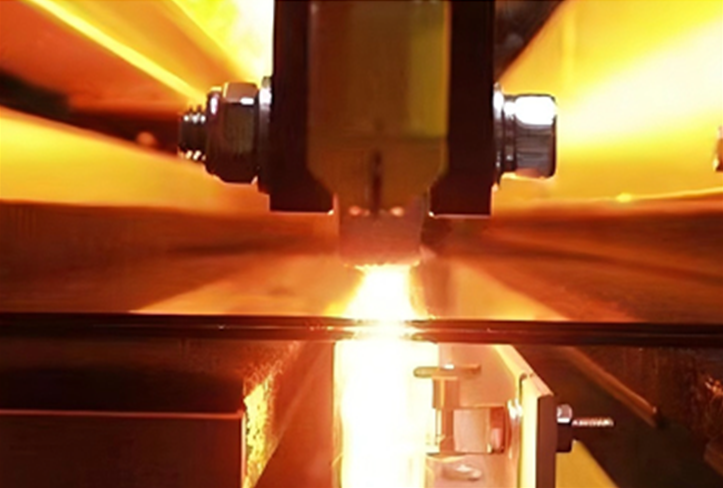
Out on the line, a hairline edge crack or a faint optical distortion can kill an entire run. Nine times out of ten, the culprit is uneven heat. When the thermal field is patchy, the glass expands locally, and that internal stress shows up as spontaneous breakage during tempering or as warp after bending. We built our glass edge heating lamps to cut that variability out at the source. What actually matters under the hood These lamps lean on short-wave infrared quartz emitters to dump energy straight into the edge, fast, with minimal convection. The payoff is a uniform thermal band across the edge profile—no hot spots, no cool streaks. We tune the power density to match line speed and glass thickness so the heat penetrates quickly without overshoot. The emitters run with high electrical-to-radiant efficiency, and the reflector geometry is set to spread intensity evenly. For you, that translates to repeatable temperature control, tighter tolerances, and fewer rejects driven by thermal stress. Why this plays where it counts On tempering and bending lines, edge heating sets the baseline for consistent shape and strength. Uniform heating keeps those sharp stress concentrations from forming at the edge, and it preserves optical clarity by avoiding localized softening that leads to distortion. In lamination and coating pre-dry steps, a balanced thermal profile improves adhesion uniformity and trims cycle time. Energy use comes down because the lamps heat on demand and recover fast, and the modular design drops right in as a replacement on most OEM fixtures. The practical stuff that keeps it running Installation is straightforward, but alignment is where the details live. The lamp has to run parallel to the glass edge, and the focal distance needs to match the emitter curve to keep uniformity. Keep the quartz envelope clean—dust and coating overspray will throw the heat pattern off. Plan for adequate cooling and thermal shielding near sensitive components. With the setup dialed in, we’ve seen stable output past 5,000 hours and consistent edge quality across multiple shifts.