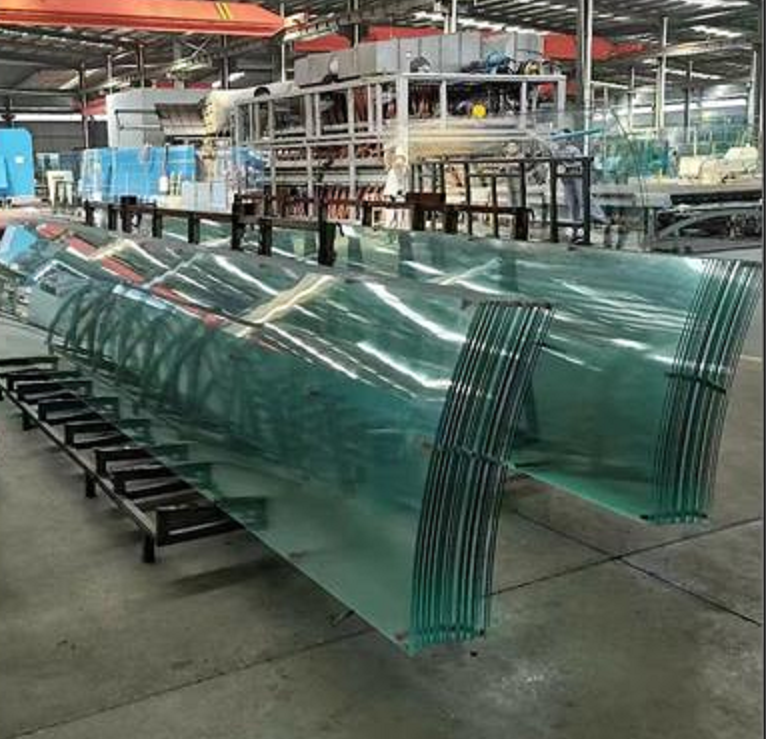
Why Your Glass Keeps Cracking in the Oven
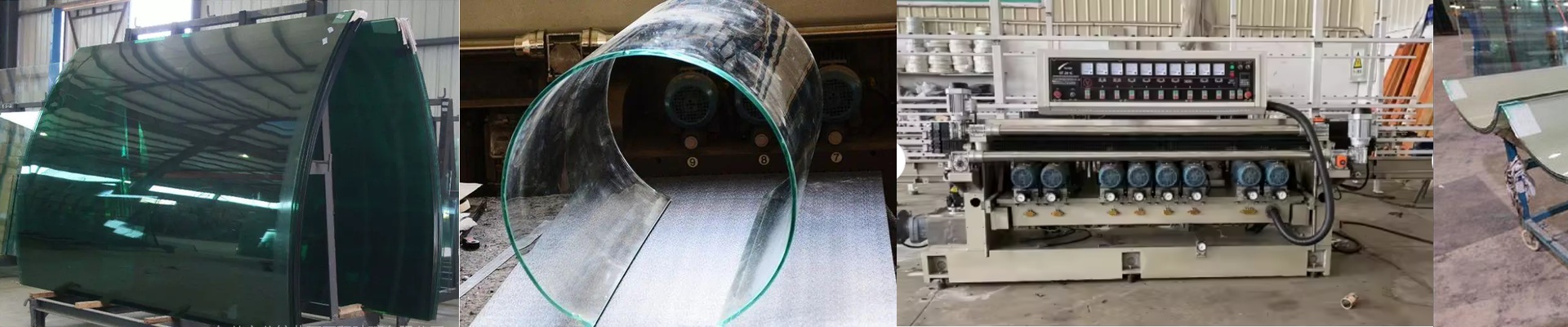
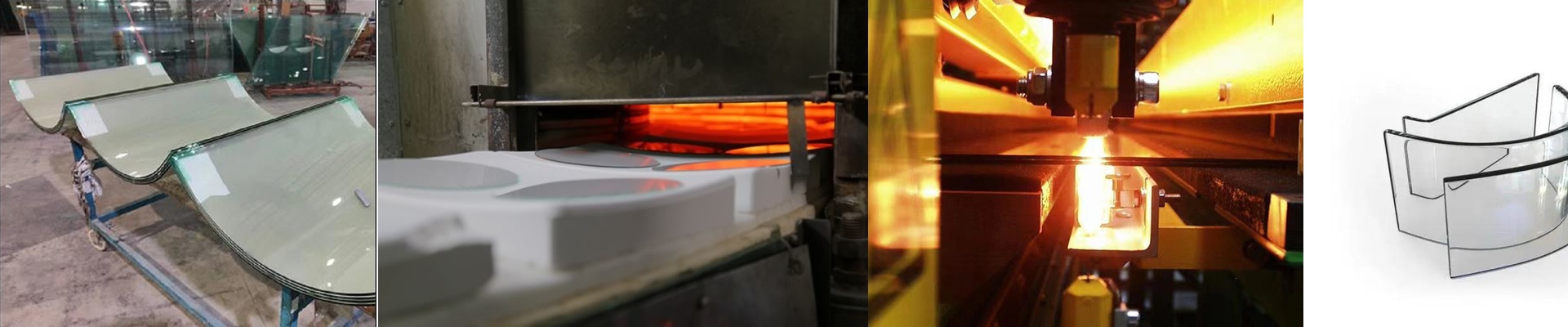
Ever pull a batch of glass out of the annealing oven, only to find it’s full of cracks? It’s frustrating. And honestly, it usually comes down to one thing: uneven heat. When your infrared heaters aren’t putting out consistent power, the glass cools at different rates. And that’s how you get scrap. We built our shortwave infrared halogen lamps to stop that from happening.
Getting the Heat Right, Right Away
Specs aren’t just numbers on a page. They’re the difference between a good day and a bad one. Our lamps run on 400V with 2500W of power packed into a 300mm tube. That gives you serious heat density. You hit annealing temperature fast, and then you hold it steady. The 300mm length is also a smart move—it’s compact, so you can fit more heaters into a tight oven space without having to redesign the whole line.
Built to Take a Beating
Annealing ovens cycle on and off all day long. That’s brutal on a lamp. So we put the halogen element inside a quartz tube to keep the filament stable, no matter how many times it heats up and cools down. The coating on the tube focuses the energy and shields it from thermal shock. It’s not just a lamp—it’s a workhorse. And the R7s connector? That’s not an afterthought. It handles the high current and makes the whole thing a drop-in replacement. You wire it in fast, and the connection stays solid. Because if the contact gets loose, the voltage drops, the heat dips, and that one weak lamp can ruin the whole batch.
Consistency is the Name of the Game
In batch annealing, every lamp has to sing in the same key. When we spec a heater, we match the voltage, wattage, and length to the oven’s thermal load. That way, the temperature profile stays flat, and the glass anneals evenly across the entire batch. But here’s the trade-off: high heat density means fast response, but your cooling and control systems have to keep up. If the oven can’t regulate the heat, the lamp will overshoot. We give you the control—but the machine still has to do its part.
The Payoff: Less Headache, More Glass
When the lamp is right, the results speak for themselves. You get repeatable quality, fewer cracked panes, and less downtime. The lamp runs hard, cycles constantly, and still holds its output. That’s how you keep your production stable, day after day. And when one lamp finally burns out, you just swap it with another that matches the spec exactly. No retuning. No guesswork. Just predictable annealing, less scrap, and a line that doesn’t chase temperature drift.
For the Engineers on the Line
If you’re running a glass line, this is what you need: a heating element that installs fast, holds steady under load, and keeps the annealing curve consistent. Because consistency is the only way to stop batch-to-batch quality from slipping. We build these lamps for the reality of continuous industrial use. They handle the thermal shock, maintain output, and fit cleanly into existing oven setups. When the lamp is right, the glass doesn’t crack. And that’s the foundation of batch stability.