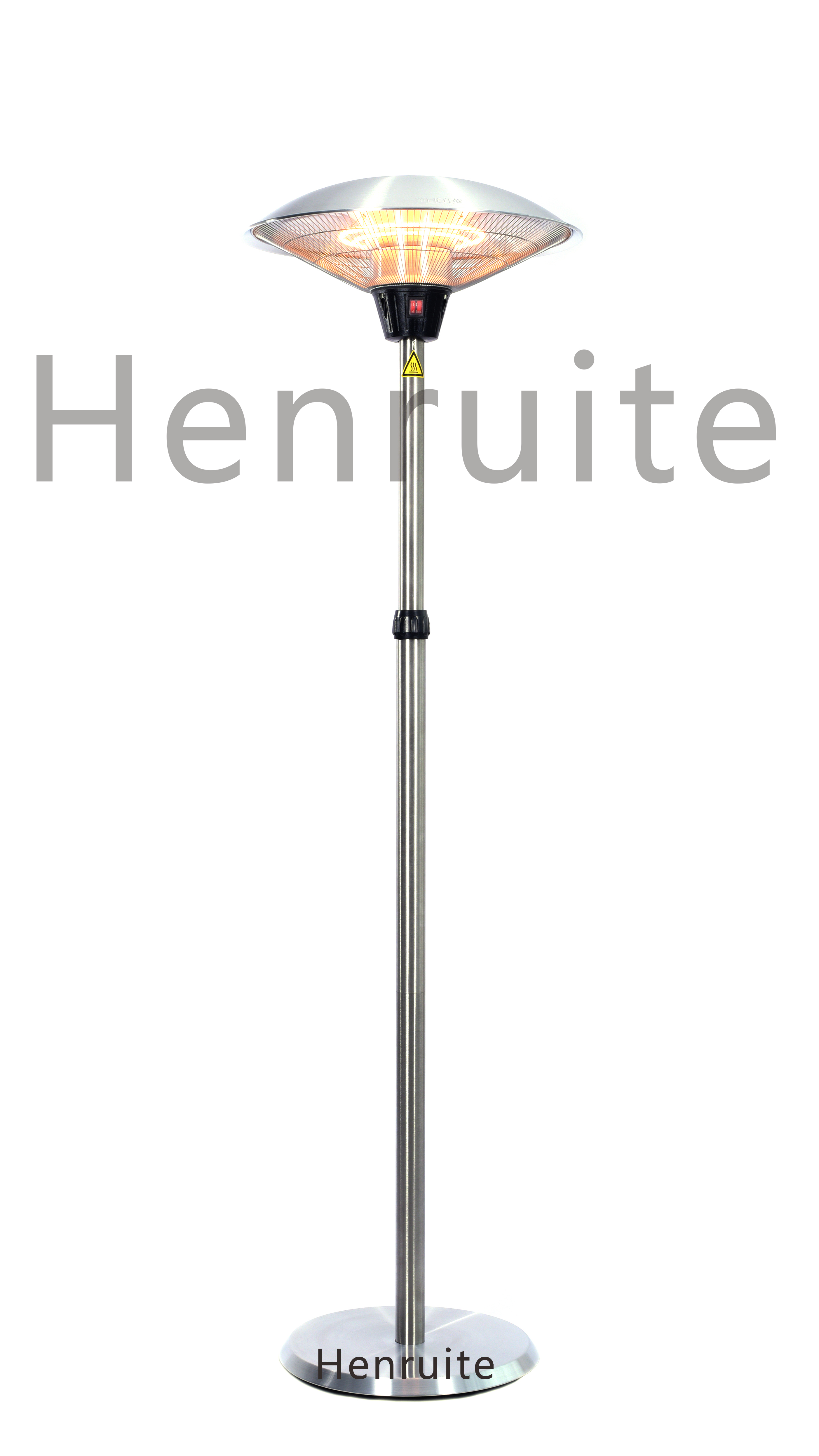
Infrared Heating: The Safety You Can Actually Feel in a Bathroom
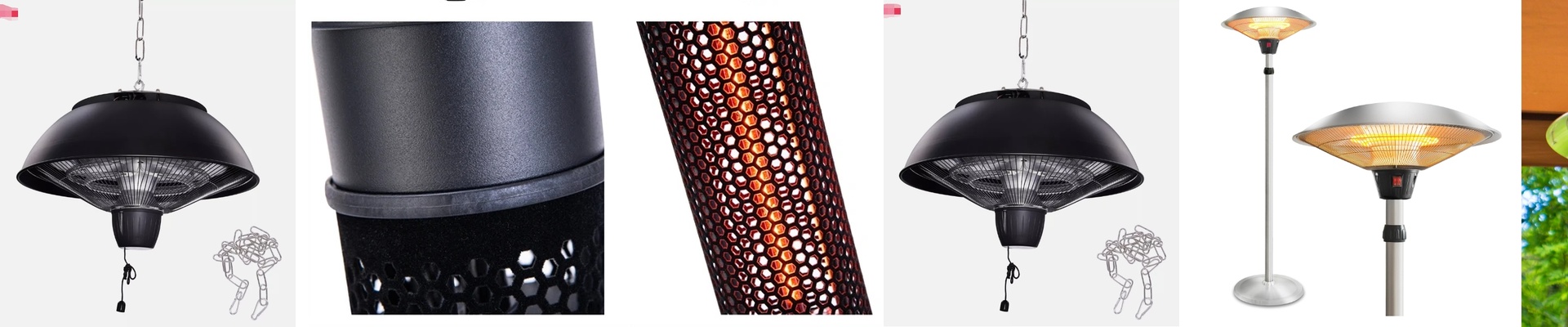
Let’s talk bathroom heaters. You know the feeling—stepping out of the shower into a cold, damp air that clings to you. The problem is, most heaters just weren’t built for that steamy, humid environment. They can short out, spark, or create hot spots that feel risky. So we built something different. An infrared heater that puts safety first. It uses a special explosion-proof quartz tube to completely isolate the heat source. Even when the air is thick with steam, it stays sealed and secure. No open sparks. No worries. Just warm.
The Power Behind the Warmth
Here’s the thing about these lamps: they’re built for real-world reliability, not just numbers on a spec sheet. They plug right into standard home power—typically 220V-240V—and crank out a solid 1500W to 2500W. That means you get heat, fast. Seriously fast. Full warmth in seconds. And because it’s designed for typical home wiring, you don’t have to rewire your entire bathroom just to make it work. The size is thoughtful too. It’s made to fit into the same spots as your old halogen or incandescent fixtures. So the upgrade is simple. Just swap it in.
Why the Quartz Tube is the Hero
The heart of this heater is the quartz tube. And it’s not just a fancy material—it’s what makes the whole thing feel so solid. Quartz handles extreme heat without cracking, even when the lamp cycles on and off constantly. That’s the kind of durability that matters in a bathroom. But the real win? It’s explosion-proof. If something inside were to arc, the tube contains the pressure instead of bursting. The internal parts are protected, and the outside coating shrugs off moisture. It’s a drop-in replacement that feels like a shield. You wire it just like the old unit, but you get a heat source that can take the wet zone punches.
How It Actually Works in Your Bathroom
Infrared heat is different. It doesn’t waste time warming the air. It warms people and surfaces directly—like standing in a patch of sunlight. That means less condensation on mirrors and walls, and a more stable, comfortable feel. There’s a trade-off, though. It’s directional. You feel the warmth where you aim it, so placement matters. You’ll want to position it where people naturally move and pause. And because it runs hot, the enclosure needs a little breathing room. Good clearance and ventilation keep everything in check.
Built for the People Who Install It
If you’re an engineer or an installer, this is the kind of heater that makes life easier. It meets safety codes without adding complexity. It packs a lot of heat into a small footprint, uses standard connectors, and just works—especially in humid spaces. And that “explosion-proof quartz infrared” label isn’t marketing fluff. It’s a real, measurable safety feature that prevents ignition. That means peace of mind for the people using the bathroom, and less headache for you.
The Bottom Line: Plan for the Heat
Let’s be real—a 2500W infrared lamp throws off serious heat. So before you install it, make sure your wiring, switch, and junction box are all rated for that load and for the bathroom environment. If the room is small or doesn’t vent well, the ambient temperature will climb. Plan the electrical side and the thermal path upfront. Do that, and you get a bathroom heater that doesn’t just warm the room—it feels safe, solid, and quietly dependable.