Introduction
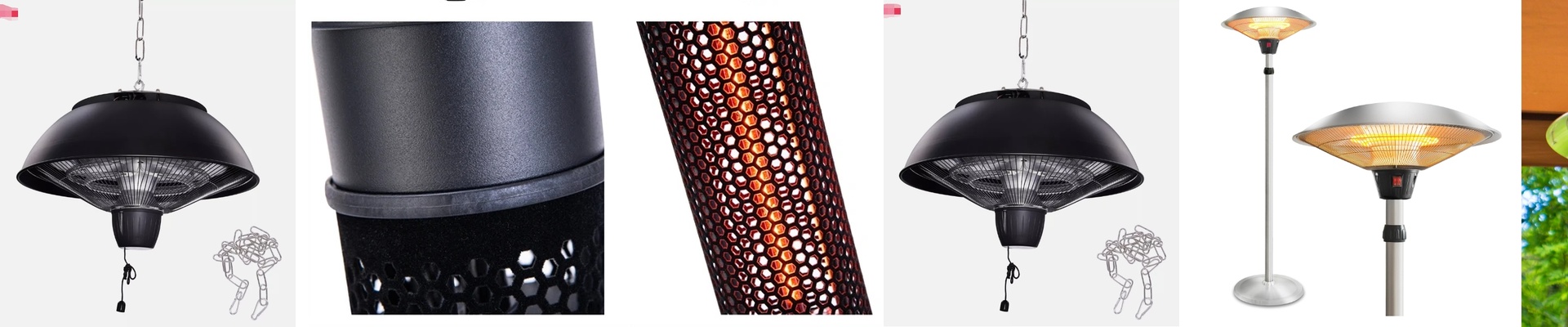
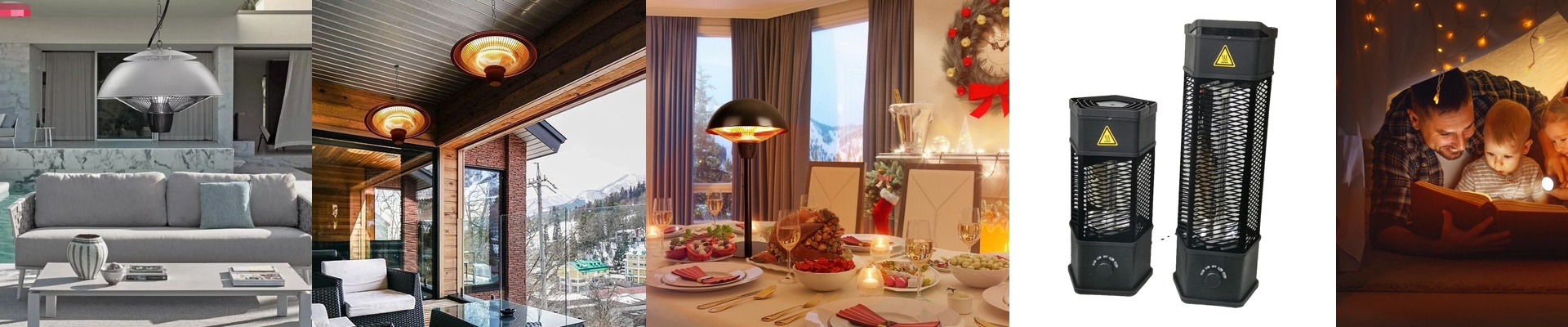
Let’s cut to the chase. We build electric radiator heaters for engineers who need heat that hits the mark—precise, localized, and without burning through power. Our secret? A high-output infrared heating lamp, designed to focus warmth exactly where you need it, while keeping energy use in check. It’s not about whether infrared works. It’s about how smart physics and smart component choices turn into real, measurable savings.
Technical Deep-Dive
We built these infrared heaters to keep up with industrial work—no fuss, just performance. A typical unit runs at 2500W on a 400V supply, packing serious heat into a small footprint. The 300mm tube length focuses the thermal field, so you’re heating the target, not the whole workshop. That direct-transfer approach cuts out the waste you get from convection systems that spend energy heating air. And the 400V rating? It lowers line current compared to lower-voltage options, which means less resistive loss in the wiring and a cleaner, more stable electrical interface.
Material & Design
The heating element sits inside a halogen-filled quartz tube. The halogen gas helps extend filament life by regenerating the tungsten, so burnouts are rarer and output stays steady over time. Quartz handles rapid heating and cooling without cracking—a must when machines cycle on and off all day. Installation stays straightforward thanks to the R7s connector, a standardized, high-temperature interface that gives you a secure, low-resistance connection. And we added a specialized reflective coating behind the element to push more infrared energy forward. Less side-loss. More usable power where you want it.
Application & Benefits
This setup shines for spot heating, curing, and pre-heating on production lines. The focused beam responds quickly and gives you tight temperature control. That means shorter cycle times and fewer kWh per unit. The 30% energy reduction comes from not wasting energy heating air, from better directional efficiency, and from keeping filament output stable. One practical note: the high heat density means your machine needs proper cooling. Plan your heat sinking and airflow up front, or surrounding components will run hotter than you expect.