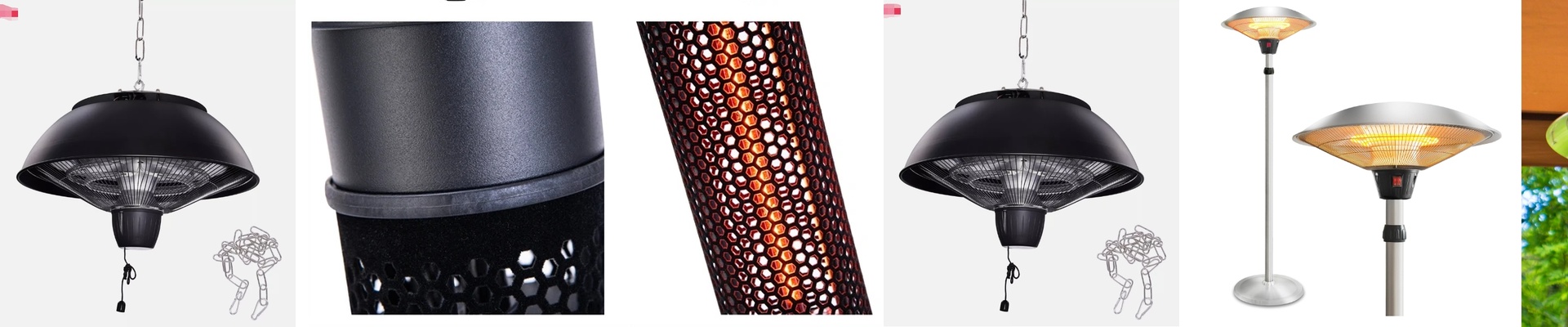
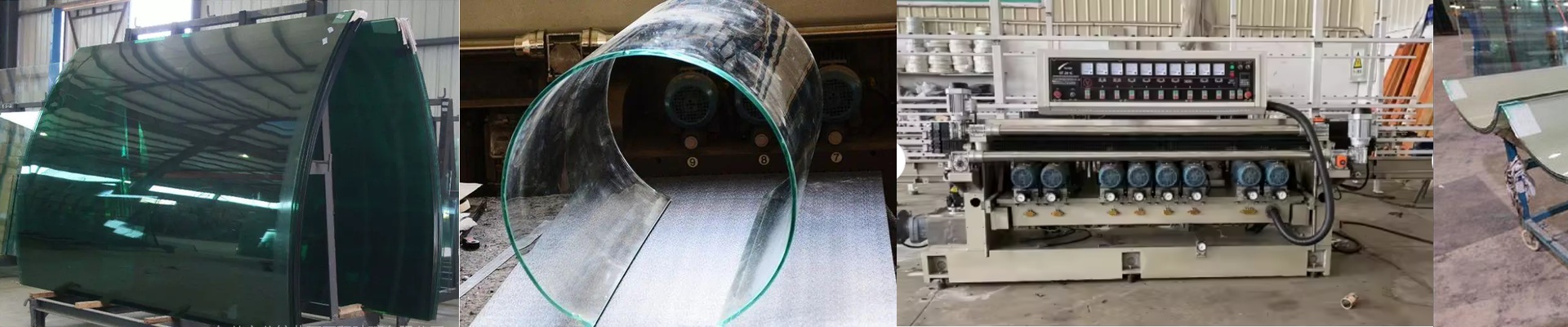
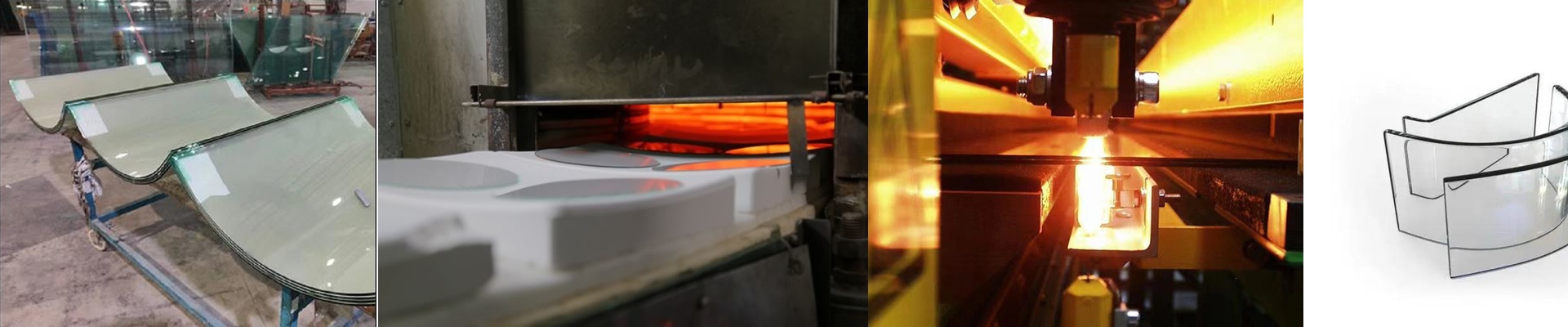
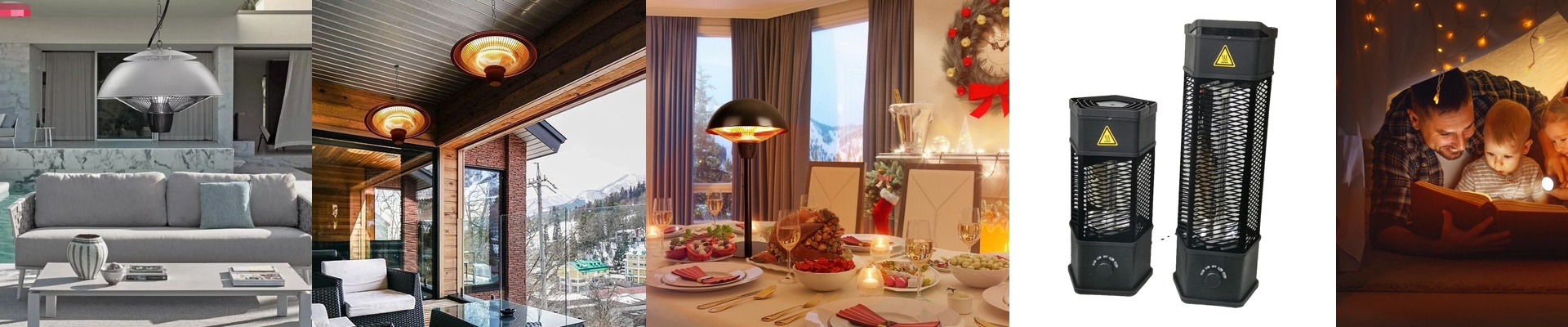
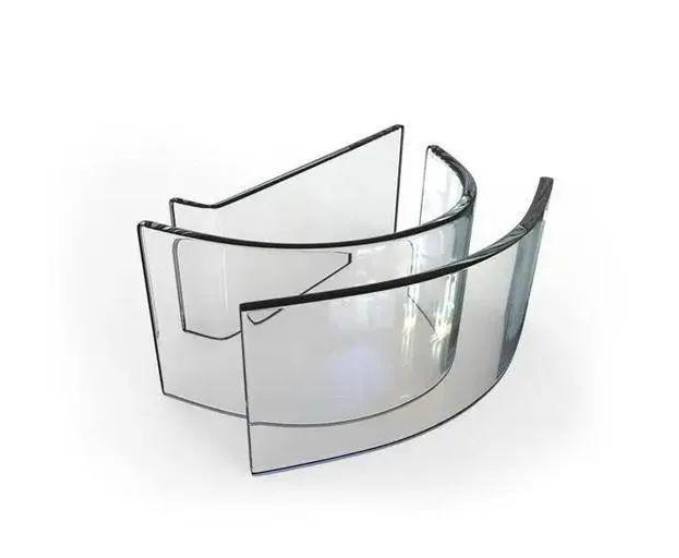
On the plant floor, annealing isn’t some gentle formality—it’s the make-or-break control point. One bad heater and the whole batch either clears inspection or heads straight to scrap. You see it immediately: warp on pressed glass, stress cracks in blown ware, clouding on coated pieces, and a sudden spike in rework that chews up labor and furnace time. In glass processing, heat delivery has to be repeatable, controllable, and dependable—shift after shift, no excuses. We built our glassware annealing heater for exactly that reality. It’s engineered for production environments where throughput, yield, and operator safety are non-negotiable.
What matters, technically
Annealing is about managing thermal history, not just hitting a temperature. The heater has to deliver stable, even heat so the glass moves through the strain-point window cleanly—no hot spots, no cold zones. The core is a quartz-based infrared emitter running on a dedicated industrial power stage. Quartz gives you rapid response and high-temperature capability, and infrared heats the glass directly. That bypasses a lot of the air-to-glass resistance that slows convection systems. The payoff is faster stabilization in the work zone and tighter control over soak profiles. We built the design around the outcomes that actually matter:
- Uniform work-zone temperature: Tight spatial consistency across the annealing chamber to prevent differential expansion—and the stress cracks that follow.
- Fast recovery after door cycles: When the line is running frequent loads, the heater comes back to setpoint quickly so the profile doesn’t drift.
- Controlled ramp capability: Clean, repeatable ramps for heating and cooling so you can switch glass types without guesswork.
- Industrial power compatibility: Configurations that match standard plant voltages and current demands, sized to your oven volume and duty cycle.
- Robust terminations and mounting: Terminals, brackets, and seals chosen for high-temperature operation and the day-to-day handling of a glass shop. This isn’t a general-purpose heater dressed up for glass. It’s sized, instrumented, and controlled to meet annealing requirements where thermal uniformity and repeatability are measured in yield.
Why it holds up in real production
In glass processing, annealing is where quality is earned—or lost. The heater has to keep the entire load inside a repeatable thermal envelope, even when batch sizes change and the line never stops.
Yield under pressure
Uneven heating creates thermal stress that shows up as spontaneous fractures during handling, cutting, or coating. Our annealing heater cuts that risk by stabilizing the work zone fast and holding steady through the soak. In practice, that means fewer fracture rejects downstream and less rework getting pushed back through the oven.
Cycle time without profile drift
When the line is running hard, the oven door opens on schedule, every shift. The heater has to recover quickly. Quartz infrared response gives you rapid reheat capability, so temperature doesn’t sag between loads. That keeps the annealing profile consistent and supports higher throughput without pushing the glass outside its safe thermal window.
Energy use you can plan around
Industrial energy cost isn’t just peak demand—it’s the repeating pattern across shifts. Direct infrared coupling to the glass reduces wasted heat in air and structure, and the control system prevents overshoot that would otherwise burn power. You get predictable kWh per batch, which matters when you’re budgeting monthly production.
Safety and uptime you can count on
Glass plants are loud, hot, and demanding. The heater is designed with industrial reality in mind: secure terminations, shielding where it’s needed, and components selected for long service life in continuous operation. When the heater is dependable, the line doesn’t stop waiting for recovery, and operators aren’t chasing temperature swings.
The details that make the difference
No industrial heater performs in a vacuum. Installation and operating details matter, and results come from matching the heater to the oven and the process.
- Oven compatibility: Performance depends on oven geometry, insulation, door seals, and airflow. If the chamber leaks heat or the airflow pattern causes stratification, the heater will fight to compensate. We size and tune the heater to the chamber—not just to a target temperature.
- Control integration: The heater is designed to integrate with standard industrial temperature control strategies. If your line uses specific ramp/soak sequences, the interface needs to match your process logic. Plan the controls upfront so the profile repeats exactly.
- Emitter service life and environment: Quartz emitters are tough, but they’re still consumables. High ambient temperatures, aggressive airflow, and frequent thermal shock can shorten service intervals. Treat replacements as routine maintenance, and keep spares on hand for high-uptime lines. If your plant treats glassware annealing as a production discipline, the heating system has to be part of the process—not an afterthought. Our glassware annealing heater is built to deliver repeatable heat, shift after shift, so the glass leaves the oven with the right thermal history and the line keeps moving.