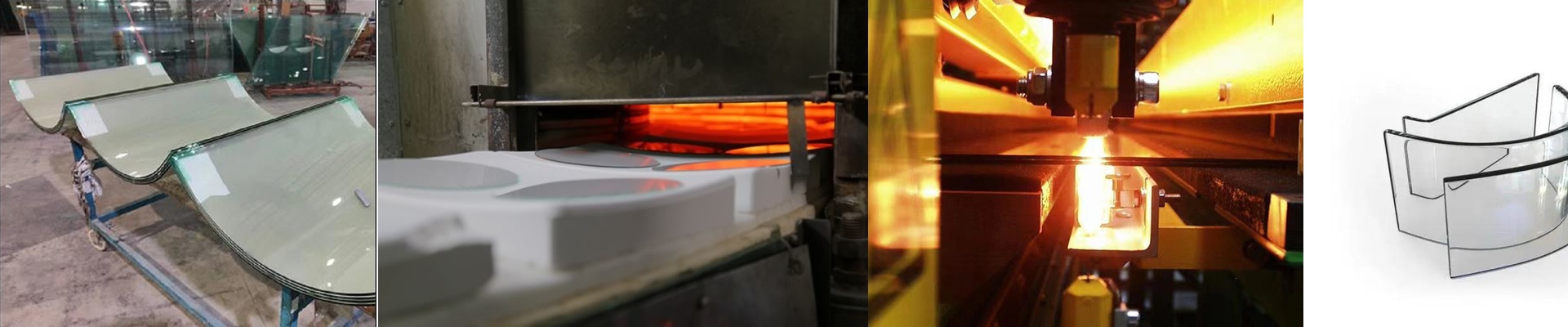
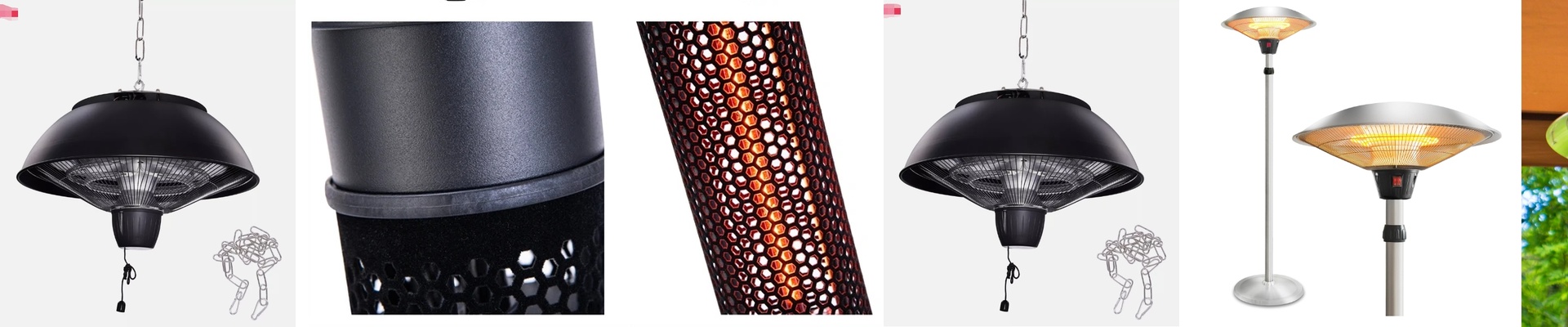
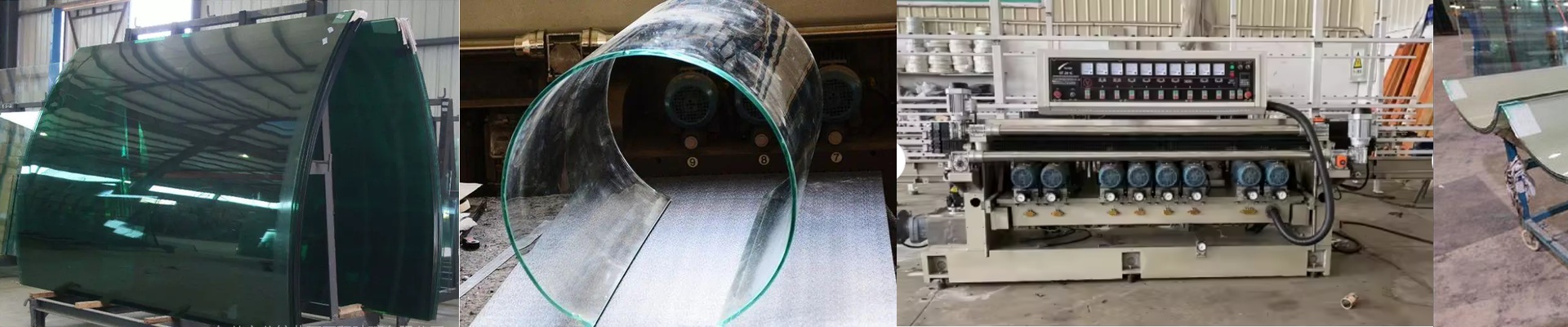
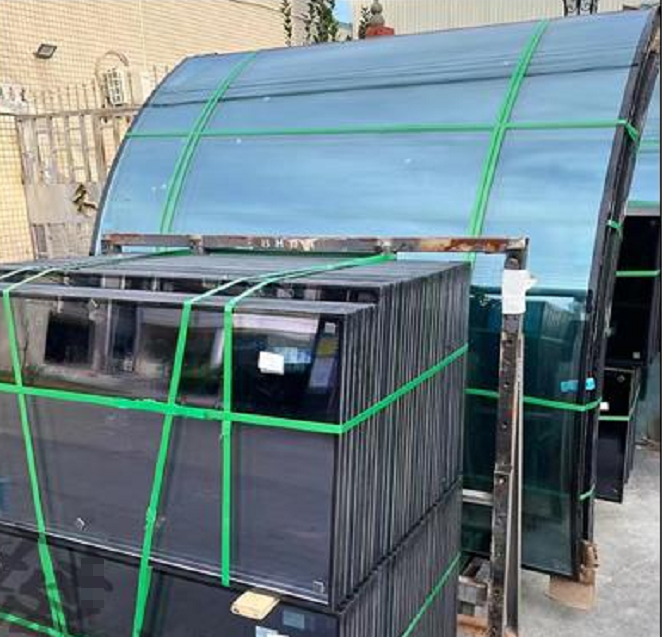
On the tempering line, the quench station is only as good as the temperature control behind it. If the cooling control heater drifts, you’re staring down uneven stress, optical distortion, and scrapped load after load. We built our glassware cooling control heaters to stop that waste right where the glass meets the process. What matters, technically These heaters run on short-wave quartz emitters. They respond fast and keep thermal uniformity tight across the control zone. The design holds stable setpoints with minimal overshoot, so you can keep a repeatable cooling profile even when line speed shifts. Standard power and voltage options match common glass processing lines, and the compact footprint keeps integration straightforward. Why it works in tempering and bending In tempering and bending, consistent cooling control is what gives you consistent bow, warp, and edge quality. This unit stabilizes the thermal field during cooling, cutting the stress peaks that lead to fractures and optical defects. The payoff is fewer reworks, higher yield, and throughput that stays steady. Energy use stays disciplined, too — the heater only adds heat when the control loop calls for it, not on a constant burn. What you need to know up front Compatibility is straightforward. We supply drop-in replacement configurations for major glass machinery brands, with mounting and wiring options that keep you from cutting or modifying the machine. That said, the heater performs best when airflow and cooling circuits are clean and balanced. Heavy fouling or unstable coolant temperature will narrow the control band. Plan the install around scheduled maintenance windows so you don’t interrupt the line.