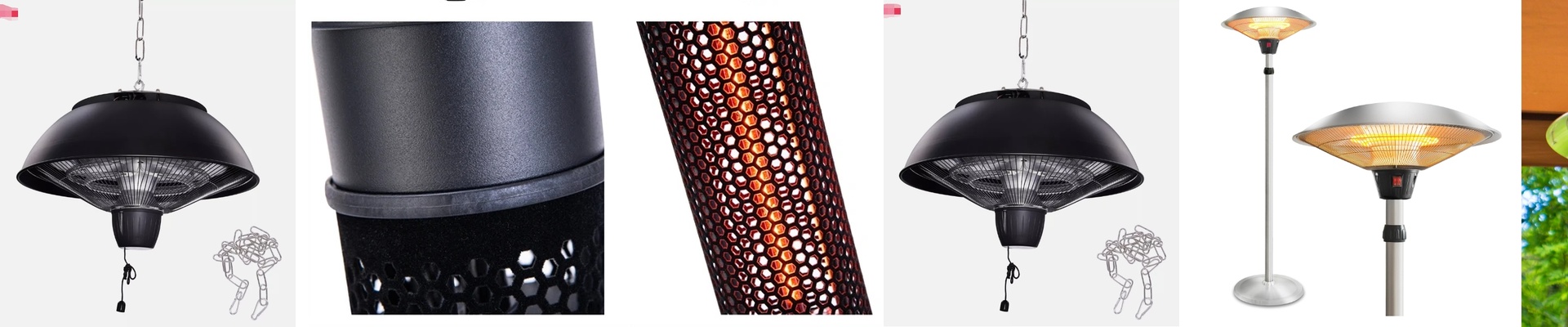
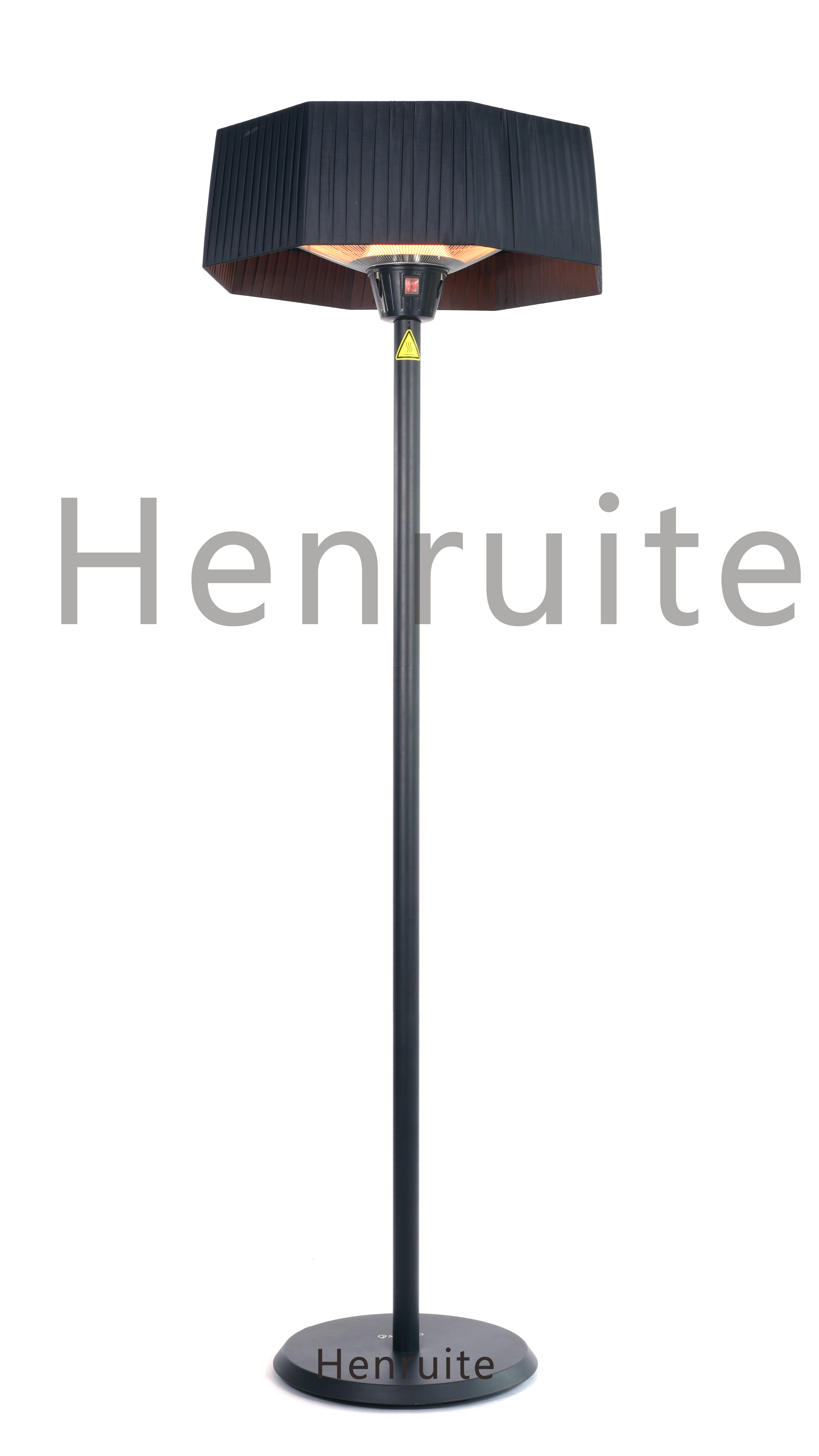
Zero-waste targets aren’t just a compliance box. They show up in every bolt, every housing, every heating element we spec. Out on the shop floor, that means building an infrared heater that can be serviced, reused, and recycled—without giving up comfort. When the evening chill hits your outdoor seating, the heater needs to come on instantly and deliver steady radiant heat. No warm-up lag. No drafts. Just quiet, dependable warmth.
What matters under the hood
A halogen infrared heater starts with a compact quartz tube and a high-purity halogen filament. The element throws short-wave infrared warmth that travels outward at the speed of light, heating people and surfaces directly instead of trying to warm the air. The payoff is immediate comfort, even when the breeze kicks up. We match that with a high-cycle, recyclable aluminum reflector housing and durable fasteners that are meant to be serviced. Components get replaced, not scrapped. The unit runs on standard 120V or 240V, depending on the model, and is sealed up with weather-resistant gaskets. A built-in thermostat keeps output steady, and tip-over protection cuts power if the heater gets knocked over.
Why this fits outdoor spaces
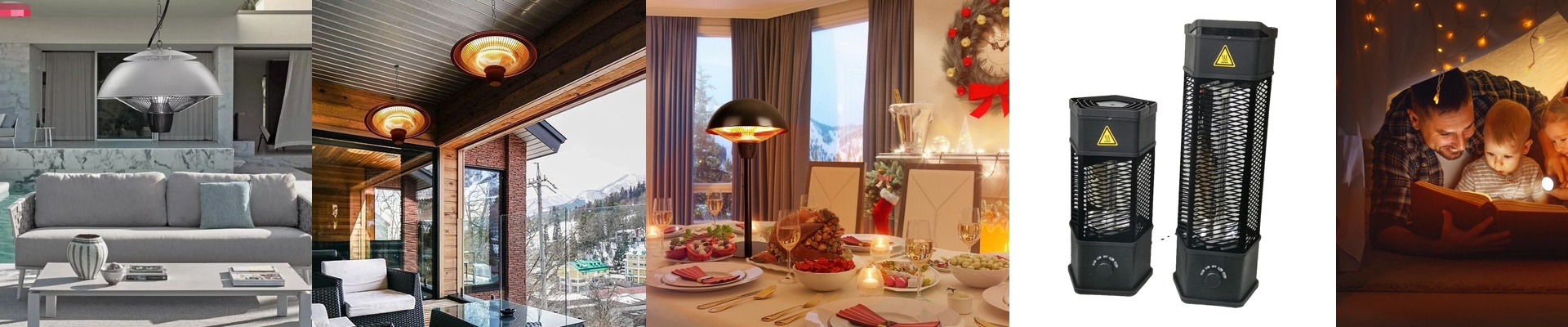
Outdoor living areas bleed heat to wind and open air. Radiant heat from a halogen heater hits the right spots—your legs, your shoulders, your table—so conversations keep going without everyone huddled together. Because the warmth is directional, energy goes where you need it, which helps keep operating costs manageable. For homes and venues that care about environmental responsibility, the high-cycle material approach is the difference you can feel. Fewer replacements mean less waste. Longer service life means fewer service calls and less downtime when guests are around.
The practical details
Halogen infrared heat is intense and close. For the best balance, mount the heater 6–8 feet above the floor and angle it toward the seating area. Keep combustible materials at a safe distance, and run the heater in covered or sheltered outdoor spots to keep the electrical connections out of direct rain. Planning to run multiple heaters? Size the circuit load up front. Most homes can handle one or two units on a dedicated circuit, but adding more usually means bringing in a licensed electrician. That upfront planning buys you years of reliable, low-maintenance warmth.