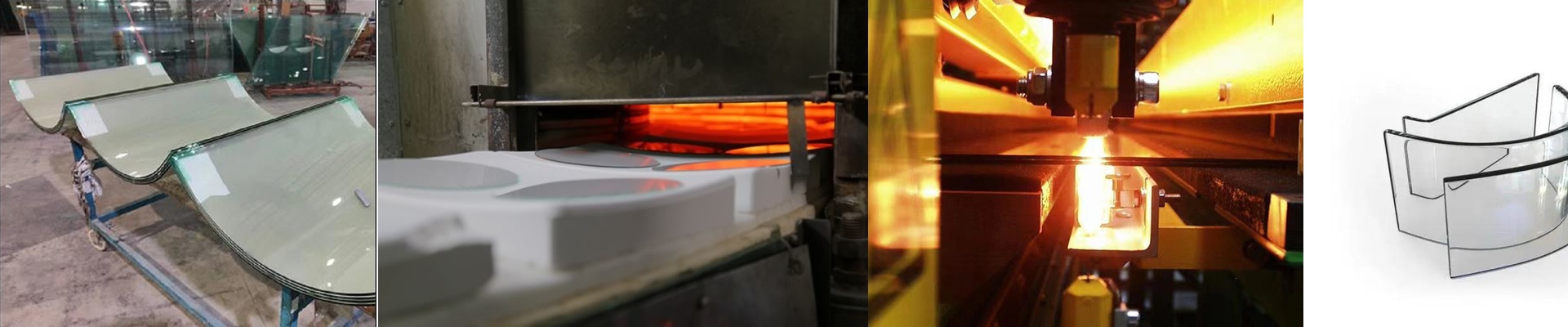
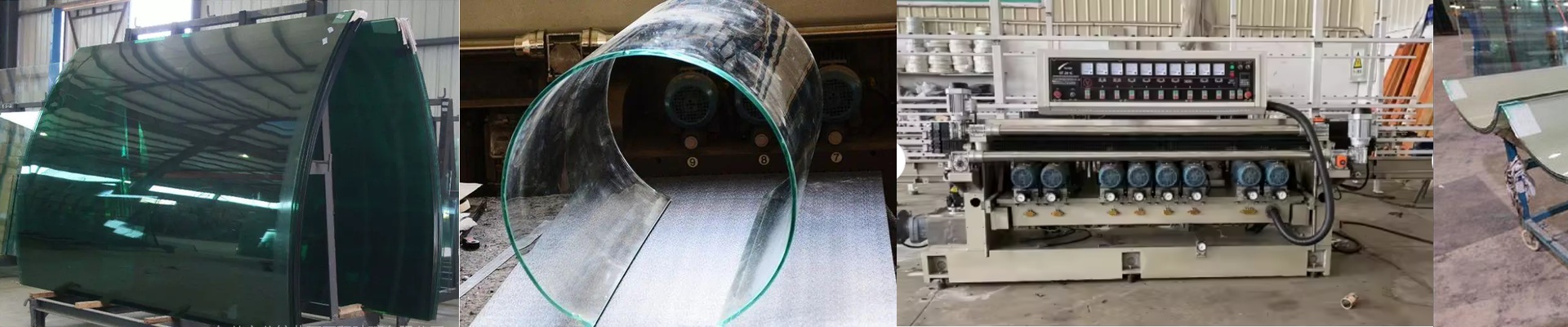
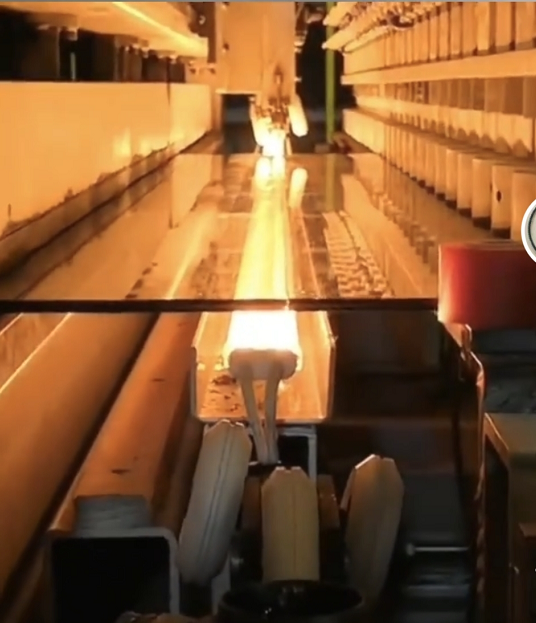
On the line, a quartz heater tube doesn’t just wear out—it quietly rewrites the heat map. Output drifts, zones start running hot, and the glass shows it: bow, stress marks, and more rejects in tempering, bending, and coating drying. We built our replacement to bring the profile back to what it should be, then tighten control and extend service life. What matters, technically We run near-infrared (NIR) elements with engineered emissivity to match glass absorption bands. That cuts warm-up time and trims convective waste. The tube is rated for 230 V and 3–6 kW per zone, with standard lengths and flanges to fit common OEM fixtures. Embedded thermocouples and a solid ceramic termination keep control response stable, even after repeated thermal cycles. The payoff is a repeatable heat profile across the glass width, with less drift over time. Here’s why this matters in practice. In tempering and bending, uniform heating is the line between consistent flatness and optical distortion. Our tubes snap the zone back to setpoint fast after door cycles, so the furnace profile stays steady and changeover is quicker. In lamination and coating drying, even, controlled heat cuts blisters and edge dry-out, improving yield without forcing you to slow the line. Energy use drops because recovery is faster and standby losses are lower. Fewer tube changes, less downtime, and throughput that stays level. A few practical notes before you order. This is a drop-in replacement for most standard quartz heater fixtures, but verify mounting dimensions and lead routing up front—clearance around the terminal block matters. The tube performs best when the reflector and insulation are in good shape; sloppy housekeeping will eat the gains. Plan a short re-commissioning window to tune zone balance after installation, then lock the profile and run.