Why Your Glass Keeps Warping (And How to Stop It)
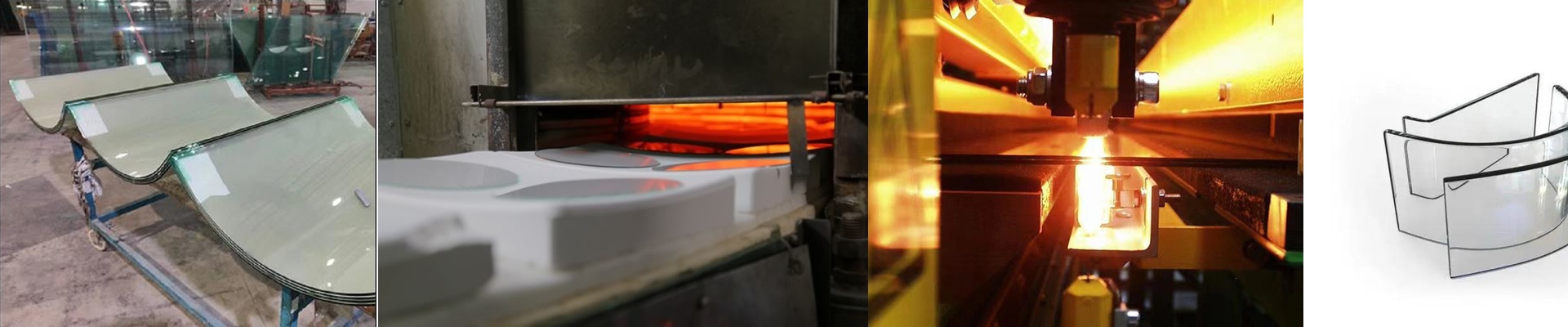
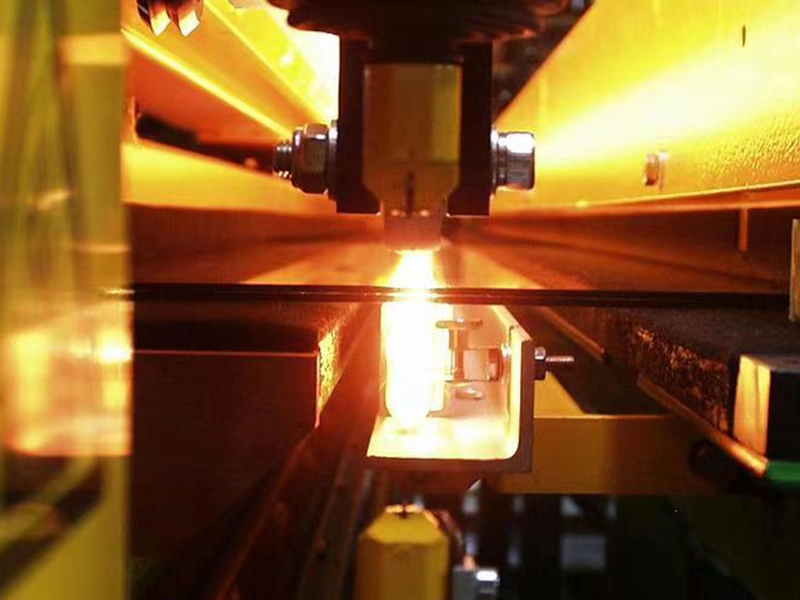
Ever feel like you’re playing a lottery with your glass batches? One batch comes out perfect, and the next has weird internal stresses or just snaps for no apparent reason after it leaves the lehr. Usually, it comes down to one thing: your lamps aren’t talking to each other. If one IR lamp is putting out 5% less energy than the one right next to it, you’ve got a problem. You get these tiny thermal gradients—basically invisible hot and cold spots—that bake stress right into the glass. That’s how you end up with warping.
The Truth About Thermal Uniformity
Here’s the thing: most people just look at the peak temperature. But that’s a mistake. What actually matters is the heat flux—how the energy is spread across the whole length of that quartz tube. You need emitters with a tight tolerance, ideally ±5% or better. If your lamps aren’t matched, you can spend all day tweaking your PID controllers and fighting with the settings, but you’ll never actually fix those cold spots. It’s like trying to level a table with one leg shorter than the others; you can tilt the whole thing, but it’s still wobbly. When your lamps are consistent, every inch of the glass gets the same hit of energy. Simple.
The Hardware Reality Check
You can’t just toss any old shortwave lamp into an annealing oven and hope for the best. They have to be rated for continuous duty. We use high-purity quartz and specific filament windings because they actually hold up over thousands of hours without drifting. But a word of warning. It’s tempting to crank up the heat density to shave time off your cycles. Just be careful. If you cram 2kW lamps into a tight space, your wiring and contactors are going to feel the heat. Literally. Make sure your electrical cabinet is built for the actual current these things pull, not some “theoretical average” on a spec sheet. Otherwise, you’re just trading glass problems for electrical problems.
Making Life Easier
When you use matched IR sets, the guesswork just vanishes. You wire them up, set your ramp-down profile, and let it ride. The glass cools uniformly, and you stop worrying about whether the latest batch is going to pass quality control. It’s just a smoother way to work.