
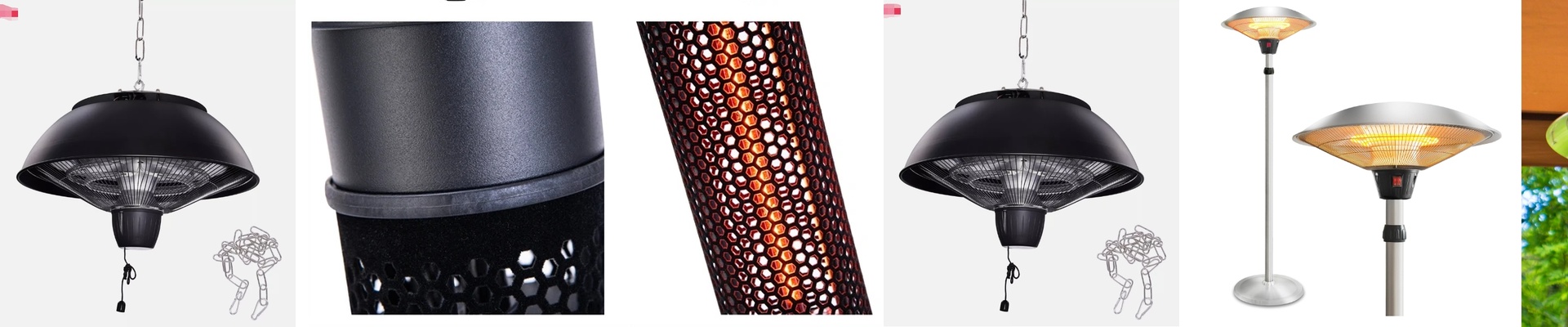
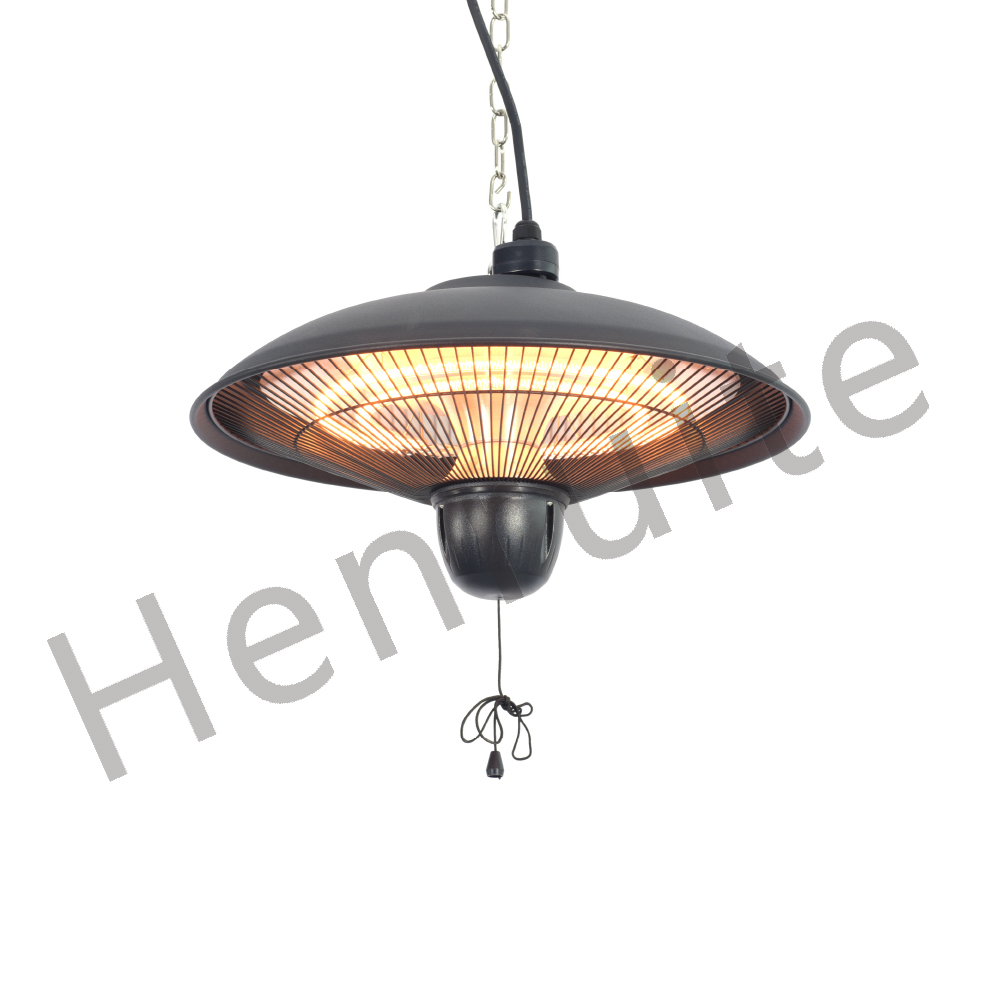
Let’s be honest: nobody likes climbing a ladder 30 feet in the air just to fix a heater. When you’re mounting equipment 6 to 10 meters up in a place full of dust and damp air, maintenance isn’t just a chore—it’s a logistical nightmare. That’s why we obsessed over the two things that usually kill heating elements: moisture getting inside and condensation forming on the surface. The battle against fog and splashes Here is the problem with condensation. When water droplets hit a scorching hot quartz tube, they create these tiny, intense “cold spots.” This causes the material to expand and contract unevenly. Do that enough times, and the tube cracks or just burns out way too soon. To stop that, we added a specialized anti-fog coating and a sealed housing. It keeps the core dry, period. Then there’s the splash factor. We didn’t just check a box for an IP rating; we used heavy-duty gaskets and sealed cable entries to make sure water doesn’t drip straight into the electrical terminals. Because once moisture hits your wiring, you’re looking at oxidation and arcing. Our setup keeps the connections tight and the power steady. What this actually means for you It basically means your heater lasts longer. Most cheap units lose their punch because the reflective backing rusts or gets pitted over time. By locking out the moisture, we keep that mirror-finish clean. You get the same heat throw on day 1,000 as you did on day one. No more paying someone to bring in a lift every six months just to scrub a reflector. A few things to keep in mind Now, this kind of protection comes with a trade-off: the unit is a bit bulkier. Because the housing is sealed, it holds onto internal heat more than a flimsy, open-frame design would. Just make sure your mounting bracket leaves enough room for air to move around the chassis. You don’t want the internal wiring getting too hot if you’re running these 24/7. Also, if you’re putting these in a high-humidity wash-down area, double-check your power supply. You’ll want it rated for the specific load so you aren’t tripping breakers the moment the units start warming up.