


Getting Your IR Spectra Right for Glass Annealing
Here’s the thing about standard infrared lamps: they’re great for the basics, but they usually fall short when you start adding specialized dopants or additives to your glass. If your chemistry is unique, a “one size fits all” heat profile just won’t work. You need the lamp’s emission peak to actually shake hands with the absorption peak of your material.
Matching the Heat to the Chemistry
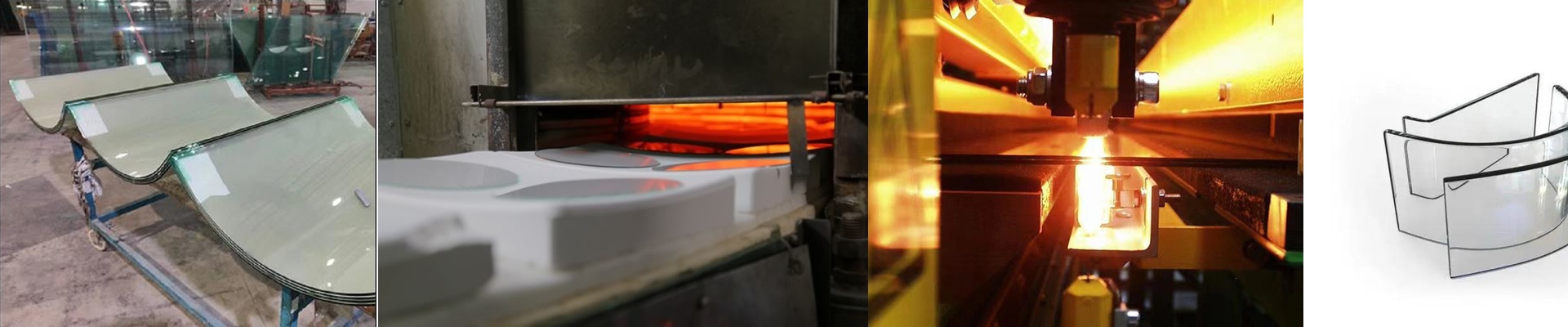
We don’t just blast your glass with general heat. Instead, we tweak the infrared spectrum to hit the exact frequency your additives need. By messing with the filament composition and the properties of the quartz envelope, we can shift the emission curve. Why bother? Because it means the energy actually sinks deep into the glass instead of just bouncing off the surface. You get a steady, uniform soak. No internal stress. No surprise cracks during the annealing cycle. Just clean glass.
The Nitty-Gritty on Hardware
Precision annealing is all about controlling your wattage and voltage. We build these lamps to take a beating, handling the high thermal loads you need for a fast ramp-up. But a word of caution: high-density output creates a lot of heat. You’ve got to make sure your cooling fans and housing are up to the task. If your airflow is sluggish, the housing will overheat and your filaments will burn out way faster than they should. To help with that, we use high-purity quartz so the envelope doesn’t degrade when things get intense.
Fitting Them In (and the Trade-offs)
The good news is that these are drop-in replacements. They come with standard industrial connectors, so you can wire them straight into your existing PID controllers. No need to rip out your electrical system. Now, there is a catch. When we narrow the spectral band to target a specific additive, you lose some of that raw, broad-spectrum heat output. It’s a bit like using a laser instead of a floodlight. To keep your throughput where it needs to be, you might need to add a few more tubes to your array. It’s a small price to pay for a scientifically targeted soak.