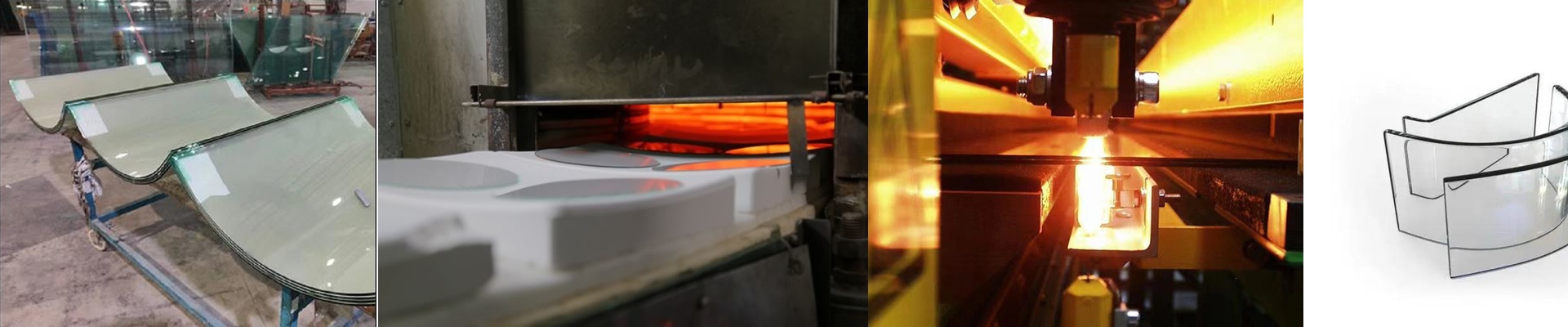
On the bottle-decor line, the bottleneck isn’t the print head—it’s the cure. Old-school convection ovens stretch cycle time, create hot spots, and leave you fighting for adhesion and scratch resistance batch after batch. When the drying profile wanders, you get pinholes, weak adhesion, and scrap that eats into yield and margin. What matters, technically We run short-wave infrared (NIR) emitters tuned to match how the decorative coatings and inks absorb on glass. You hit the coating with rapid energy without nuking the substrate. The system is set for a fast ramp-up and a controlled soak, so the coating cures while the bottle stays below the stress point that would kick off thermal shock. The payoff is a repeatable thermal profile, not a roll of the dice. Output is matched to line speed, power density is sized to the dwell window, and the emitter-to-work distance is fixed so heat flux stays consistent. Why it fits the job Infrared drying for bottle decor keeps up with the pace of modern glass processing. Curing is faster, so you can run high-throughput decoration without stacking ovens and taking up floor space. Heat distribution is more even, which cuts down mottling and weak edges, so prints hit spec without rework. Energy use drops because you put energy into the coating, not into heating air and the conveyor mass. And you lower the risk of thermal stress fractures by avoiding long, high-temperature exposure. What to watch for Installation comes down to line integration: get emitter positioning right, confirm clearances, and set up cooling and ventilation so the surrounding area stays within safe operating temps. Surface reflectivity and glass emissivity can shift how much energy is absorbed, so validate the profile on the first run across product geometry and color. Plan on routine cleaning of the quartz elements and keep a spare-emitter strategy so unplanned downtime stays off the board.