
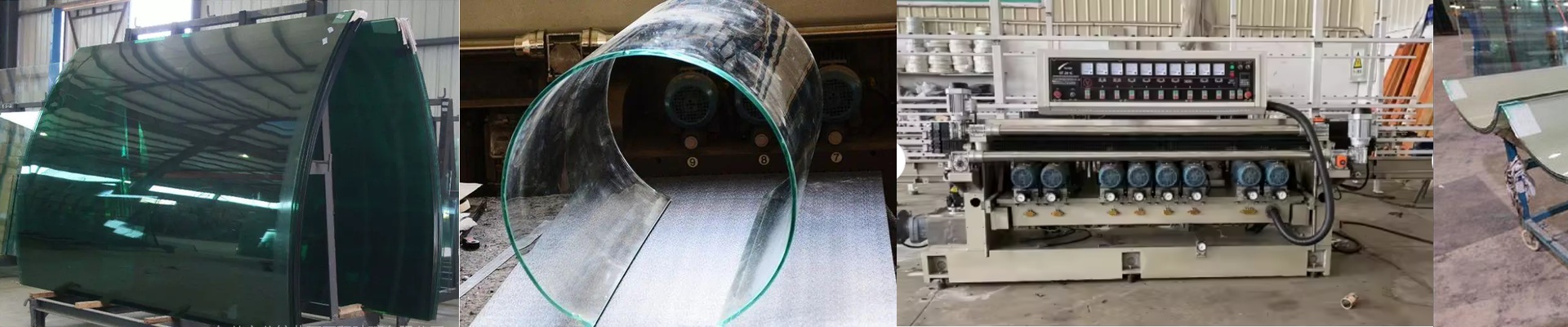

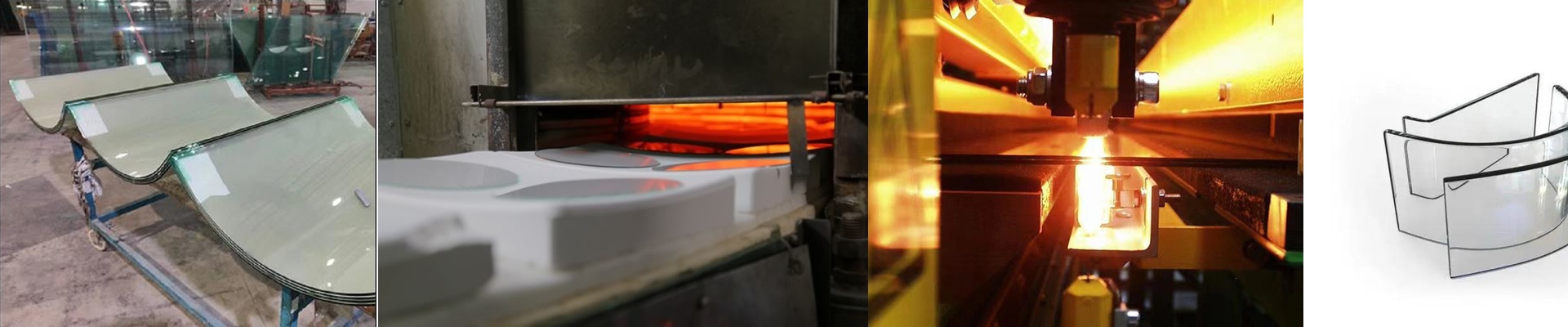
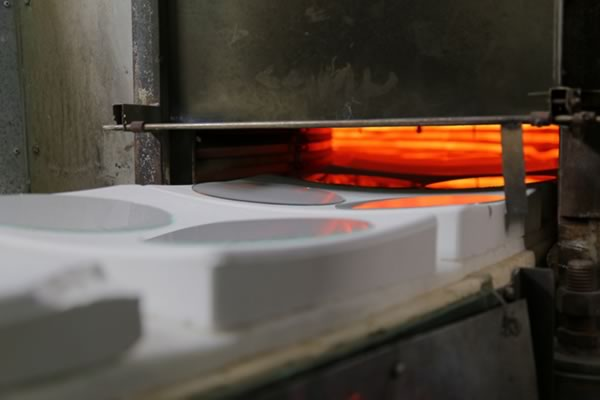
On the line, drying isn’t a background step. It’s the make-or-break moment that decides whether the next coat will adhere, the next lamination will bond clean, and whether you ship at the end of shift or scrap your way there. Convection ovens stretch cycle time, and uneven heat shows up as pinholes, edge stress, and rejects that only reveal themselves at inspection. An infrared tunnel for glass drying attacks those failures right where they start. Here’s how we set it up. We match short-wave infrared emitters to the absorption profile of coated and laminated glass, so the energy goes where it does the work—into the surface—not into heating air. The tunnel layout keeps the thermal field uniform across the width, with tight control of peak temperature and soak time. In practice, you get faster solvent flash-off, controlled polymer flow during EVA/SGP/PVB lamination prep, and consistent drying without thermal shock. The modules run on standard industrial voltage, drop into your existing conveyor pitch, and are zoned so you can tune for different glass thicknesses and coating stacks. The payoff shows up where it matters. Energy use drops because infrared delivers heat directly, with far less waste to ambient. Throughput climbs because the ramp is fast and the dwell is short—drying no longer holds up the rest of the line. And yield improves because the glass sees repeatable heat, cutting stress fractures and cosmetic defects from overheating or cold spots. Maintenance gets simpler, too: fewer moving parts in the heating section, predictable emitter life, and quicker replacement when service is due. A few realities to keep in mind. Infrared drying is line-of-sight, so glass geometry and conveyor spacing matter. Reflection off the fixture and adjacent surfaces can shift the heat map if the layout isn’t dialed in. Plan the tunnel with the right emitter density, proper shielding, and tight temperature feedback, and make sure the control strategy matches your recipe—different coatings and adhesives behave differently under rapid heat. When the setup is right, the process stays repeatable and the line runs with fewer stops.