
Stop Fighting Your Voltage: Getting Glass Stress Relief Right
If you’re dealing with tempered glass, you know the drill. Getting that internal stress out requires a very specific kind of heat. But here’s the problem: if your infrared lamps aren’t a perfect match for your local power grid, things go south fast. You end up with uneven heating, or worse, your filaments burn out way before they should. That’s why we build our IR lamps to hit those specific global standards—110V, 480V, and 575V. We want you spending your time running your business, not messing around with clunky transformers or voltage converters on the shop floor.
The Real-World Side of Voltage
Voltage isn’t just a number on a spec sheet. It actually changes how the current flows and how much heat hits that quartz tube. For smaller, localized spots, 110V usually does the trick. But once you move up to those big industrial tempering lines, you need 480V or 575V. Why? Because it lets you push higher wattages without needing massive, thick cables running all over your conveyor system. It keeps things cleaner and stops the voltage from dropping off as it travels. Just a heads-up: these aren’t interchangeable. If you try to pop a 230V lamp into a 480V circuit, it’ll blow instantly. It’s a loud, expensive mistake. We make sure our replacements match your existing electrical footprint exactly, so they just slide right in.
Heat, Hardware, and a Few Warnings
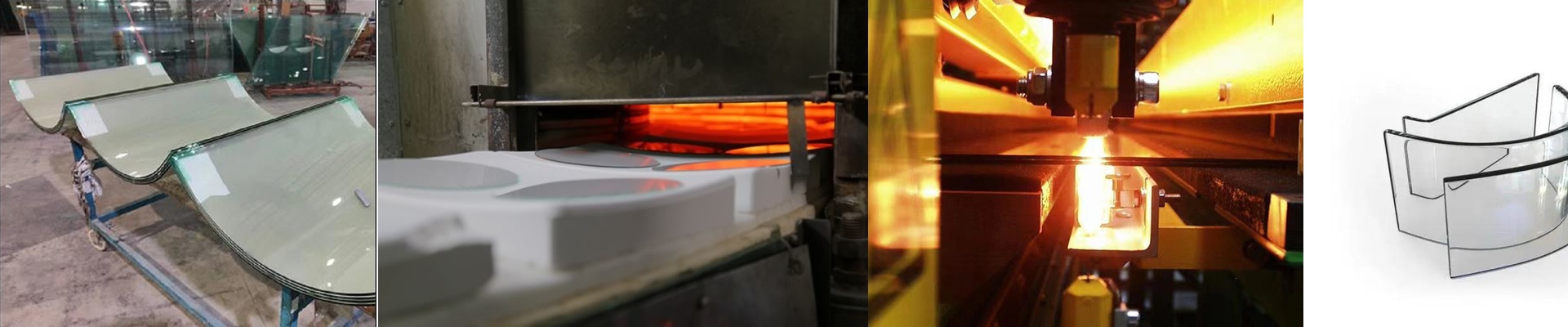
High-voltage lamps are great because they blast that intense short-wave radiation that penetrates glass quickly. But all that heat doesn’t just go into the glass—it hits your reflectors and housing, too. Check your cooling fans. If they aren’t beefy enough to handle the ambient heat around the lamp holders, you’re asking for trouble. Then there’s the wiring. When things get hot, metal expands. If your connection is loose, especially at 575V, you’ll get an arc that will eat right through the lamp end-cap. Whether you prefer a slide-in fit or a hard-wired terminal, it has to be tight. No exceptions.
Making it Work Anywhere
Every region has its own quirks when it comes to the grid. We tweak the filament resistance so that it doesn’t matter if your line is in North America or Europe. The glass hits the right temperature, the cycle time stays the same, and you get the results you expect every single time.