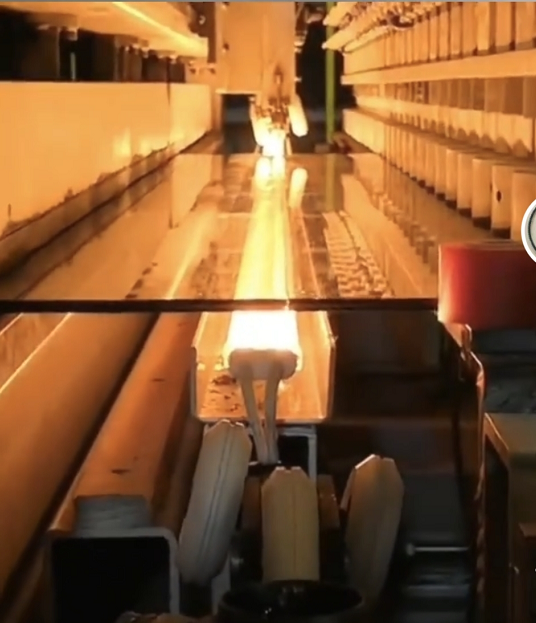
Stop Letting Out-of-Stock Lamps Kill Your Production
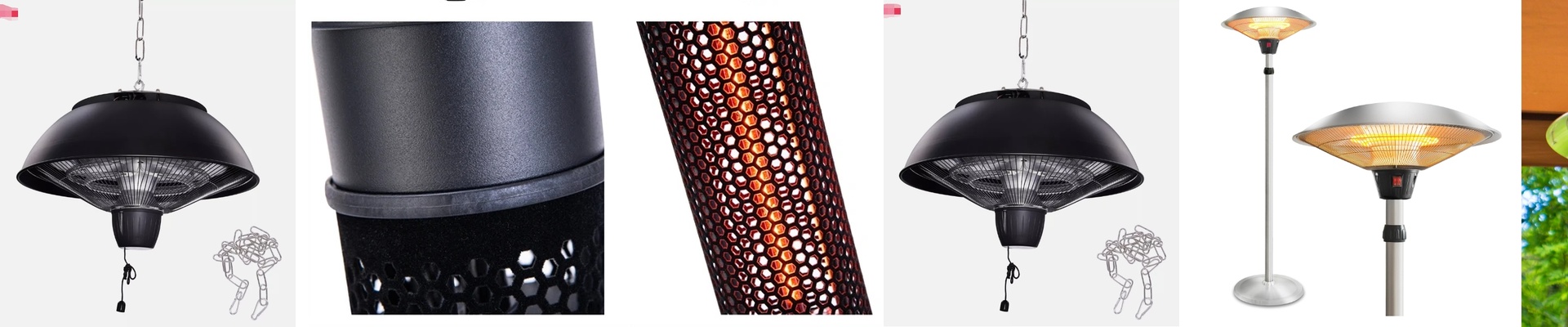
We’ve all been there. You’re in the middle of a run, an OEM spare part goes missing or is backordered for weeks, and suddenly your entire production line is just… sitting there. It’s a nightmare. That’s why we do things differently. We build custom infrared heating lamps that drop right into your existing machinery, and we get them to you in7 days. No waiting around, no endless emails. Just the parts you need to get back to work.
Getting the Heat Just Right
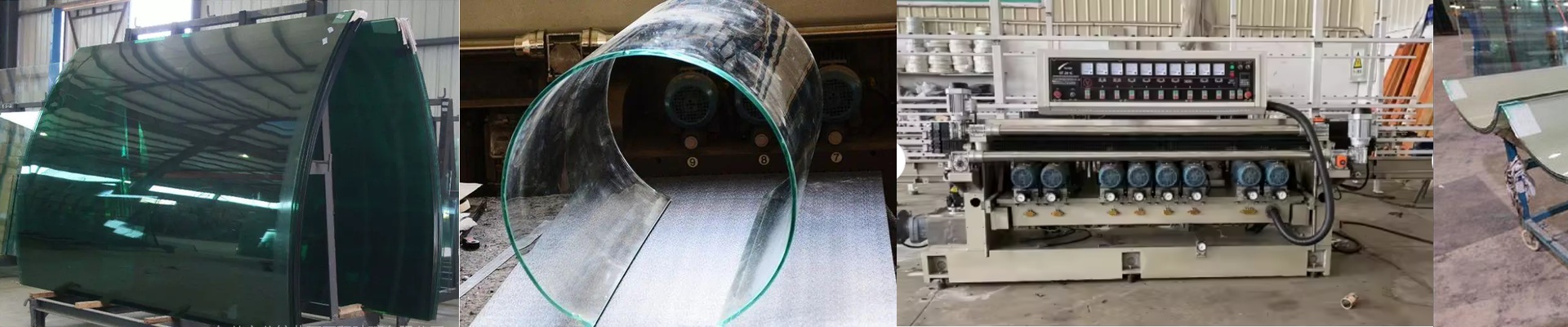
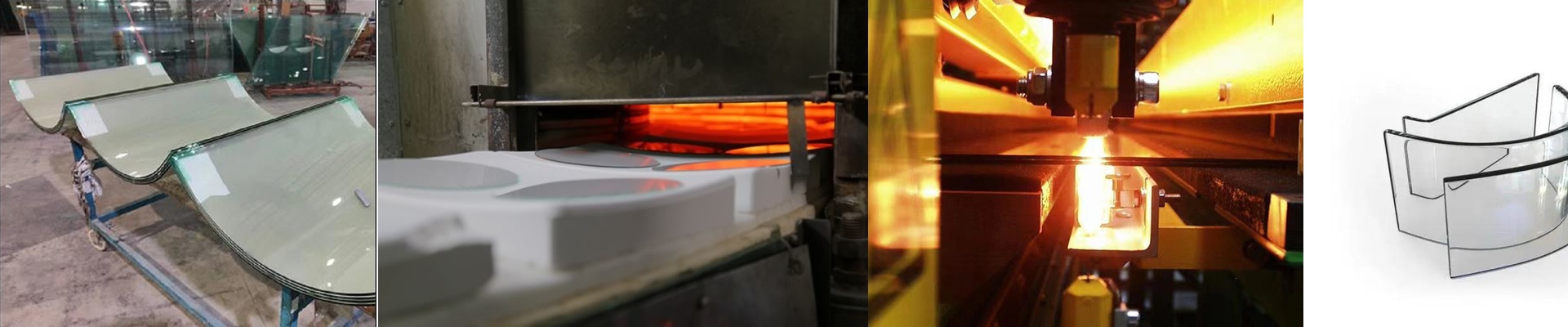
When you’re working with glass, you can’t just “blast it with heat.” If the temperature gradient is off, you get stress fractures, and your product ends up in the scrap bin. We look at your specific voltage and wattage to make sure the new lamp fits the original footprint perfectly. Depending on what you need, we can go with shortwave for a quick surface hit or medium-wave if you need the heat to soak in deeper. One quick heads-up: if you go for high-wattage tubes to get those fast ramp-up times, keep an eye on your wiring. You’ll want to make sure your contractors can handle that peak load so you don’t blow a fuse the moment you flip the switch.
The Nitty-Gritty: Materials and Plugs
We use high-purity quartz glass because it doesn’t freak out when the temperature swings wildly—which happens constantly in glass forming. If your glass needs a specific kind of heat to absorb it better, we can add specialized coatings to the tube. It’s a small tweak that makes a huge difference in efficiency. As for the connections? We’ve got you covered. Whether you use standard R7s or SK15 connectors, or some weird proprietary terminal that only your machine uses, we can custom-weld the leads. A loose or poor connection is a recipe for arcing and a burnt-out lamp, and nobody has time for that.
Making it Work in the Real World
The goal here is simple: pull out the old tube, wire in the new one, and hit start. But here’s the thing… if we crank up the wattage to make up for an old, cloudy reflector, your heating chamber is going to get hotter overall. You might need to check if your cooling fans can keep up. We don’t want you hitting those thermal overload sensors or, worse, frying your internal electronics. We’ll work with you to find that sweet spot—plenty of heat for the glass, but not so much that you’re cooking your machine.