Getting the Heat Exactly Where You Need It: IR Reflector Design
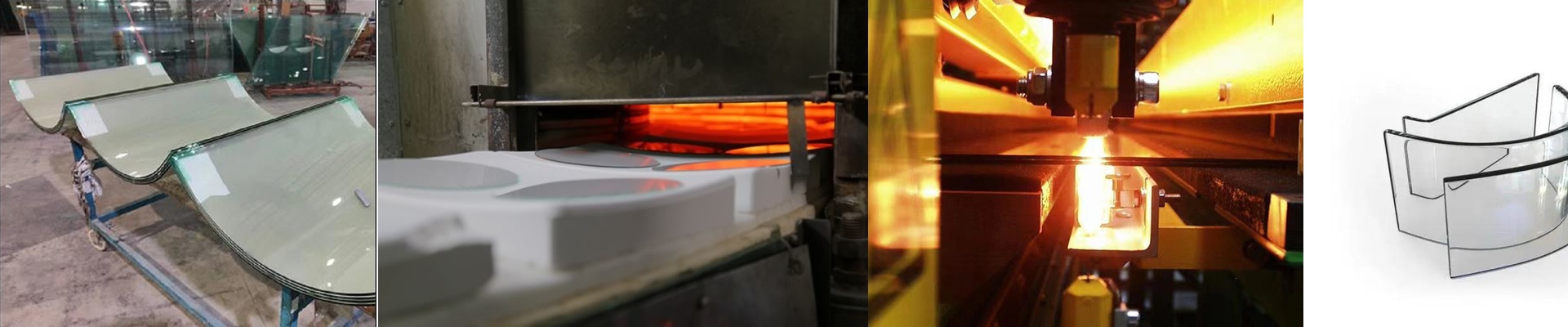
If you’ve spent any time in glass R&D, you know the frustration of using off-the-shelf reflectors. They’re fine for basic work, but they just throw heat everywhere. But when you’re experimenting with new glass compositions, “generic” doesn’t cut it. You don’t always want a perfectly even heat map. Sometimes, you need to pinpoint exactly where that energy hits your substrate.
It’s More Than Just Changing the Size
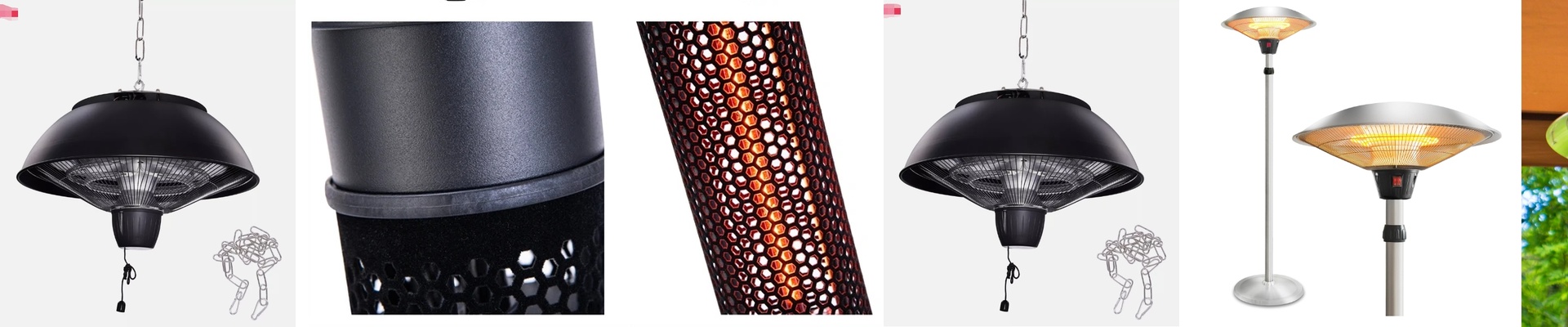
Most suppliers think “customization” means tweaking the length or width of the housing. That’s not really customization—that’s just resizing. We look at it differently. We focus on the power density. By messing with the focal geometry and the curve of the surface, we can actually shift the IR radiation patterns. This gives you a lot of control. Want a concentrated “hot spot” to see when your material finally snaps under stress? You got it. Need a flatter profile for a steady anneal? Easy. It means you stop fighting your hardware and actually start getting results.
The Trade-off (Because there’s always one)
Here is the catch: high-reflectivity coatings push way more heat toward your target. It’s great for efficiency, but it puts a lot of pressure on the lamp tube. We’ve seen it happen—if you push for extreme power density without a solid cooling plan, your filaments will burn out fast. Whether you’re using air or water cooling, just make sure your setup can handle the heat load at that focal point.
Making R&D a Little Less Painful
For the researchers out there, this takes the guesswork out of the equation. Usually, if you want a different heat profile, you end up physically sliding the lamp closer or further away. The problem? That changes everything. It’s a messy way to work. Instead, you just swap the reflector. Your footprint stays exactly the same, but your thermal profile changes. Plus, we give you the raw distribution data upfront. You can just wire it up and start testing, rather than wasting two weeks playing with a thermal camera trying to figure out what’s actually happening.