Stop the Cracks: Dealing with Thermal Shock in Glassware
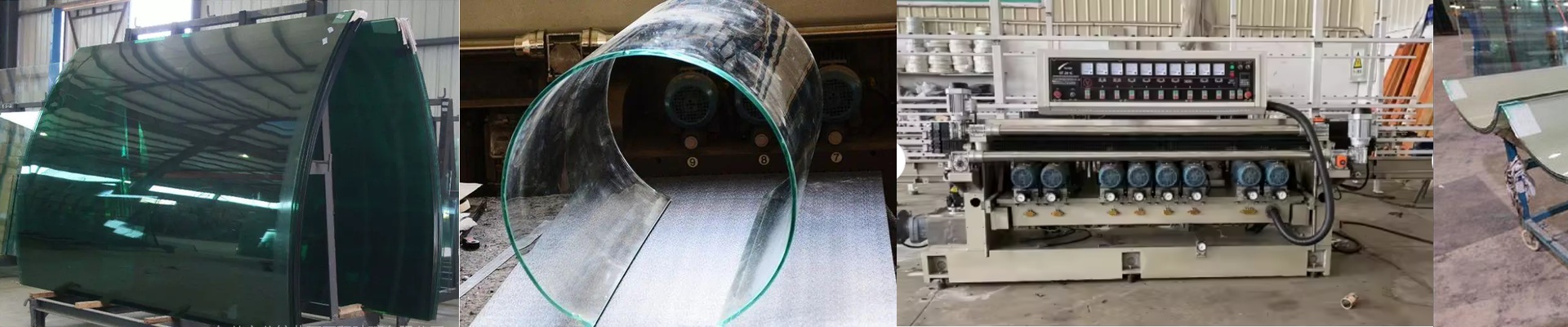
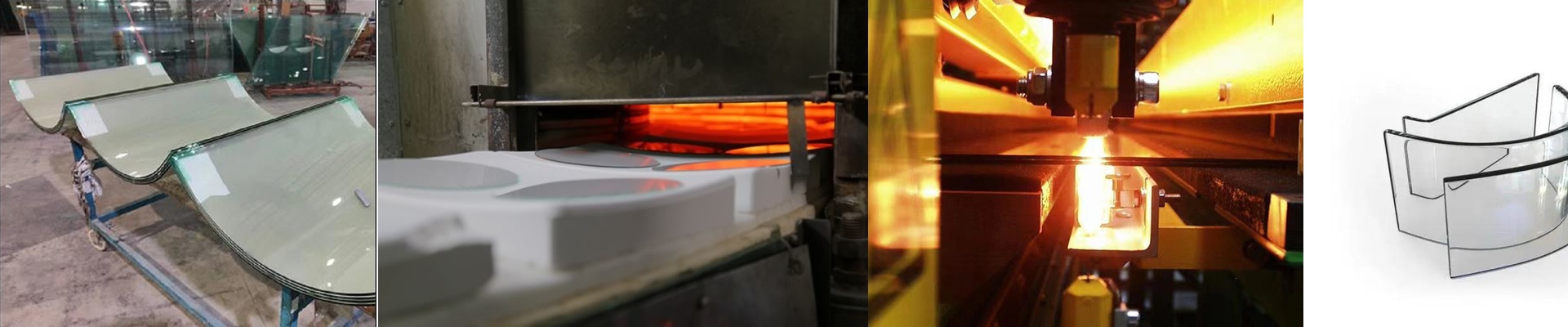
If you’ve spent any time on a glassware production line, you know the nightmare. You’re moving into the tempering phase, and suddenly—snap. Most breakage happens right here. If you hit glass with a sudden wall of heat, it doesn’t just warm up; it shatters. It’s frustrating, wasteful, and a total pain to clean up. To stop this, we use short-wave infrared (IR) lamps. But the secret sauce isn’t just the light—it’s the ceramic end caps we put on them. Why the ceramic caps matter Standard metal caps just can’t handle the kind of heat density needed for instant tempering. They’ll give up. We use ceramic instead because it acts like a shield. It stops the heat from creeping back into your electrical wiring and the lamp holders. When you’re pushing these lamps to their max wattage, you need that stability. Without the ceramic, your wiring is basically a fuse waiting to blow, and your sockets will warp from the constant heat cycling. It’s the difference between a system that lasts and one that burns out in a week. Controlling the heat You can’t just flip a switch and hope for the best. That’s a recipe for disaster. You need to be able to adjust the power in milliseconds. Our IR lamps are built for that kind of speed. By tweaking the voltage, you control exactly how much heat hits the glass. This lets the glass expand evenly, which is the only way to avoid those dreaded stress fractures. A few things to keep in mind High-wattage lamps are great for speeding up your cycle times, but they’re hungry. They put a real load on your power supply. If you’re setting up for maximum output, just make sure your SCR controllers can actually handle the peak current. If you overdrive the lamps without the right voltage regulation, you’ll fry the filaments way too soon. The best part? These are drop-in replacements. You just wire them into your existing tempering lines, set your ramp-up curve, and let the ceramic caps handle the heavy lifting at the terminals. Simple.