

Keeping Your Bathroom Mirror Heaters Safe (and Dry)
Let’s be honest: putting a heating lamp in a bathroom is a bit like inviting a fight. You’ve got steam, splashes, and constant humidity. Since water and electricity are a nightmare pairing, the biggest challenge is making sure the insulation doesn’t give up the ghost. If it fails, you’re looking at a short circuit. Not great. Our mirror heaters are built to handle it. Even when the room feels like a sauna, the electrical side of things stays completely isolated.
How we stop the moisture
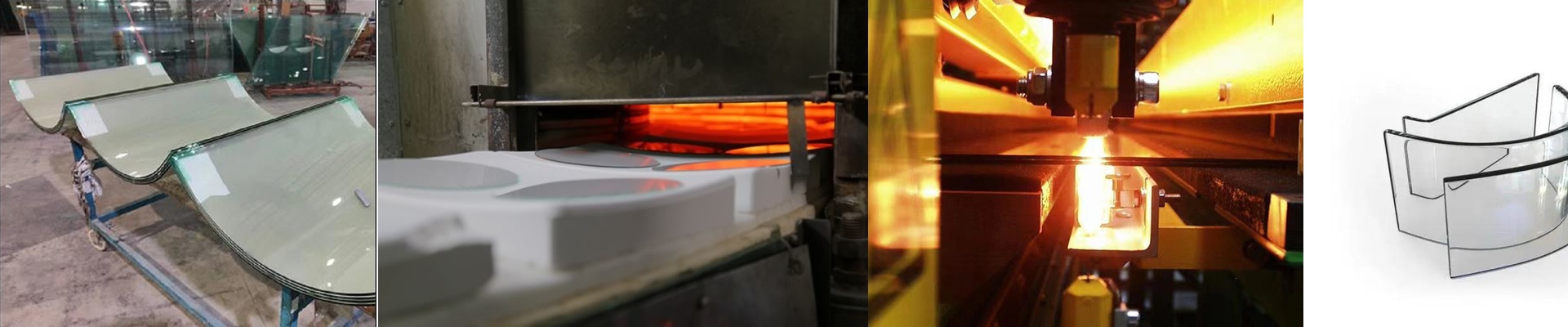
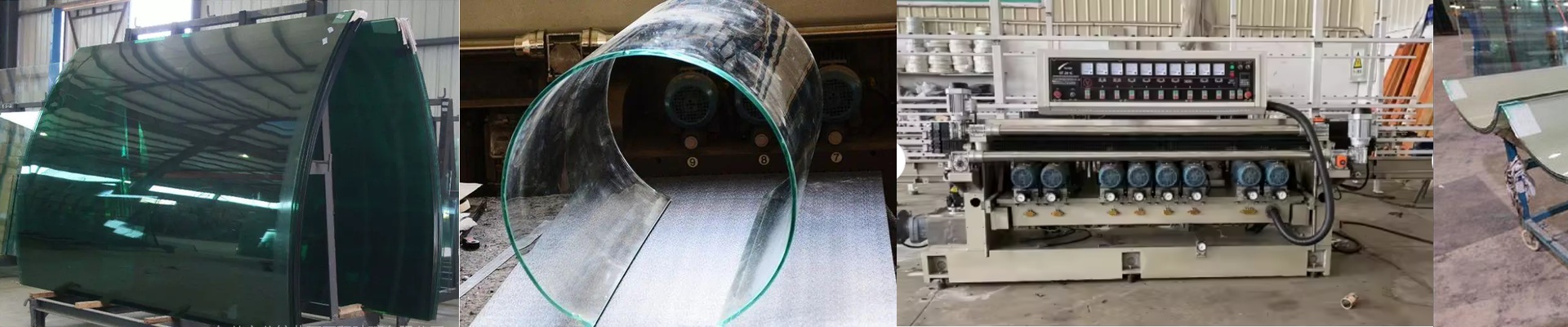
We start with high-purity quartz glass. It’s the backbone of the system because it doesn’t freak out when it goes from cold to hot in seconds, and it doesn’t wear down just because the air is damp. But here’s the thing: the glass tube usually isn’t where the trouble starts. It’s the ends—the terminations. That’s why we seal the spot where the electrode meets the glass with specialized, heat-resistant resins. It stops “tracking,” which is just a fancy way of saying it prevents moisture from creating a little electrical bridge across the insulator. Without that seal, the whole thing could just blow out.
Staying grounded
To keep things reliable, we use silicone-insulated leads. Why? Because silicone doesn’t crack or peel when it gets blasted with heat and steam over and over again. Now, a quick tip on the setup: you really need to wire these into a GFCI circuit. No matter how tough the lamp insulation is, the outer housing has to be bonded to a solid ground. If a wire ever frays or a seal finally leaks, the GFCI trips instantly. It’s that split-second safety net that keeps you from feeling a shock.
The tricky parts of installation
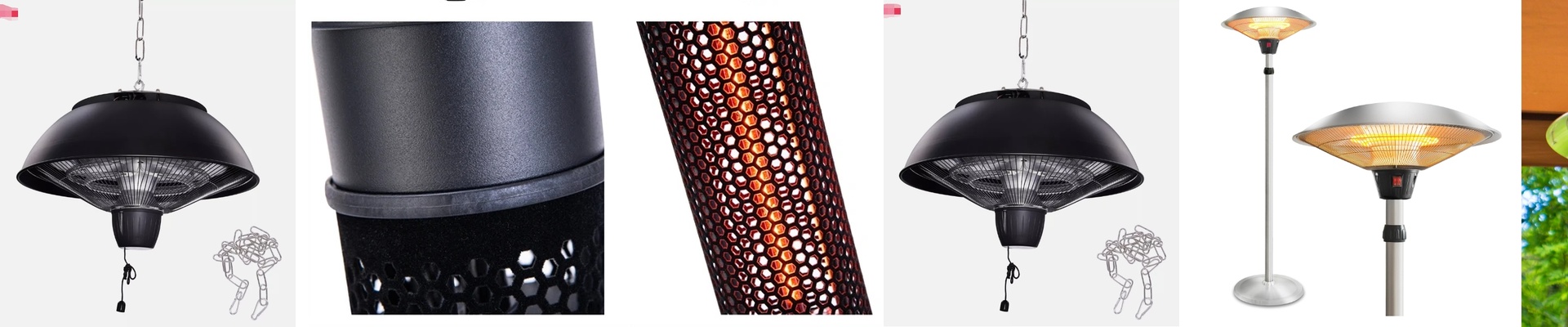
High-wattage lamps are great for clearing fog fast, but they gethot. Really hot. If you jam the lamp too tight against the back of the mirror, you’re asking for trouble. You might crack the glass or melt your brackets. You’ve got to leave a bit of breathing room—a calculated air gap—so the heat can move. And please, skip the plastic holders. Go with ceramic. Plastic eventually gets brittle and degrades in a steamy bathroom. Ceramic just sits there and does its job. It keeps the lamp straight and stops the contacts from corroding, which means no annoying flickering or voltage drops.