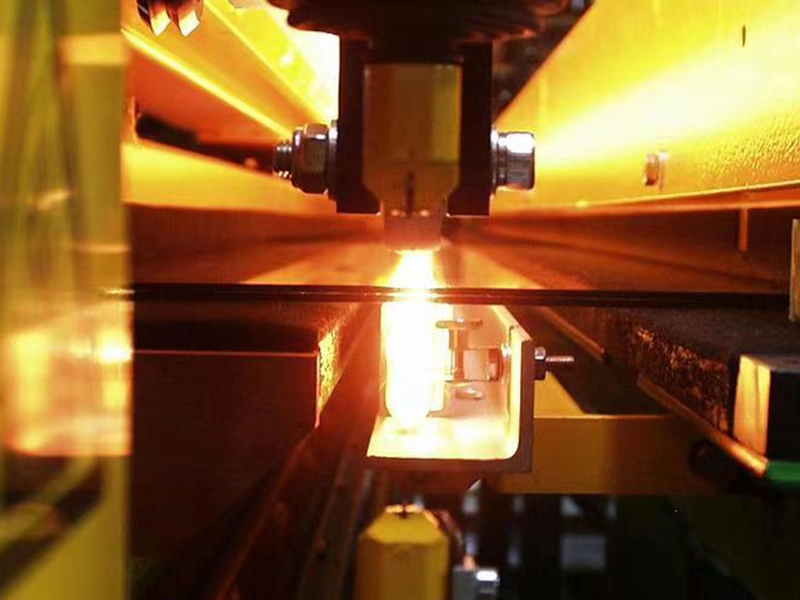
Getting Low-E Preheating Right on Wide-Format Glass
If you’re working with wide-format Low-E glass, you know the struggle. You need heat that’s perfectly even across the whole sheet—no sagging, no weird spots, nothing. But once you cross that 3-meter mark, the standard lamps you buy off a shelf just stop working. They aren’t built for it. We’ve found that the only way to actually kill those cold spots—the ones that always seem to pop up at the joints of modular lamps—is to build custom, continuous infrared units.
The Voltage Headache
Here’s the thing: when you build a lamp over 3 meters long, you run into a nasty problem called voltage drop. If you just use standard low-voltage wiring, the ends of the tube get hot while the center stays lukewarm. That’s a recipe for disaster. To fix this, we tweak the voltage configurations and get really specific with how the filament is wound. By dialing in the wattage per meter, we make sure the heat is the same from one edge to the other. You get a flat, consistent thermal profile. No guessing.
Tough Quartz for a Reason
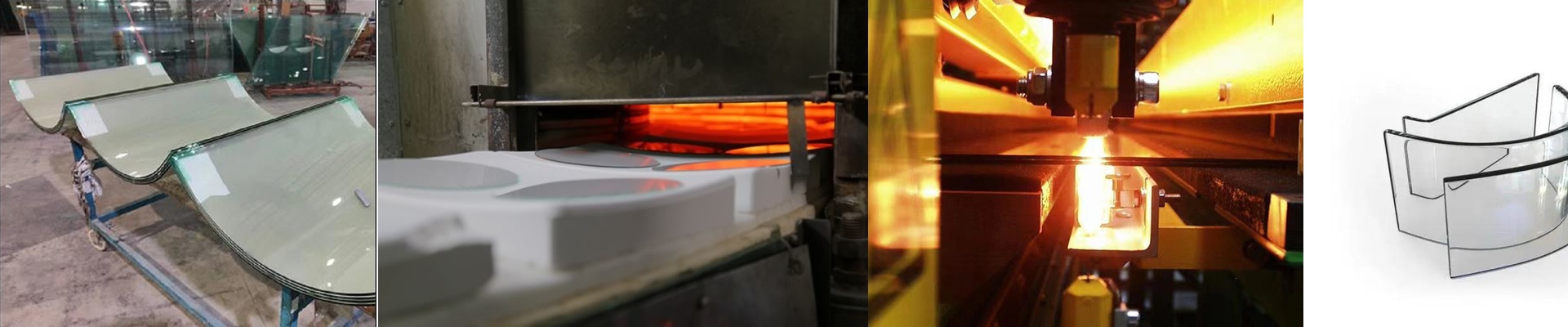
We house the filaments in heavy-wall quartz tubing. Why? Because long tubes like to bow and vibrate. If the tube flexes too much, the filament can touch the wall and just… pop. Burned out. Using thicker quartz gives the unit the backbone it needs to stay rigid. Plus, we can add special coatings to these tubes. This pushes the energy directly into the glass coating instead of letting it bleed out and waste heat on your oven walls.
The Practical Stuff
Getting these wired up takes a bit of precision. We use industrial-grade connectors because you can’t afford to have something arcing under a heavy load. But a word of warning: pushing this much wattage through a 3-meter unit creates a massive amount of ambient heat. If your fans or exhaust aren’t up to the task, you’ll cook your lamp sockets. We always suggest a dedicated cooling circuit for the lamp heads if you want the equipment to actually last. It’s a simple drop-in replacement for those clunky modular systems, just make sure your electrical panel can handle the extra current draw.