
Why we build extra-long infrared heaters for glass tunnels
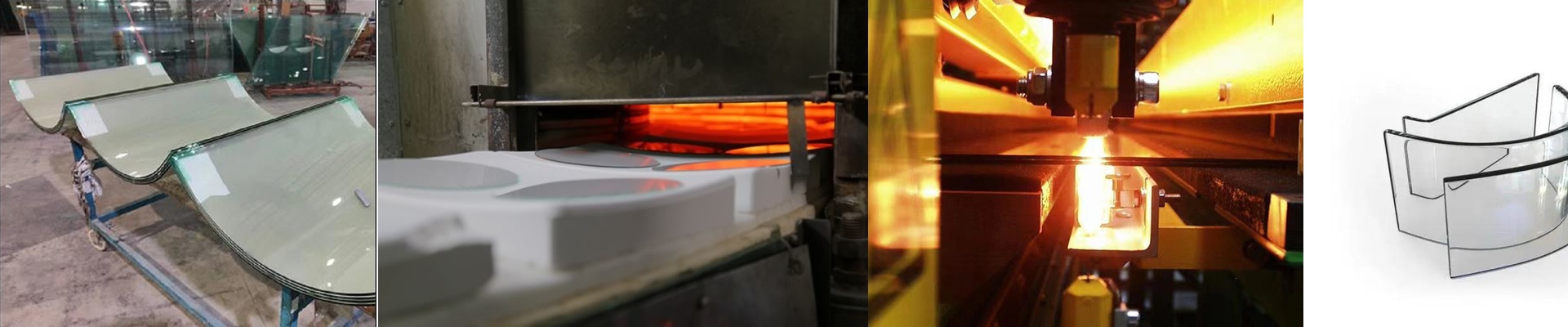
Most infrared lamps stop at about a meter. If you’re running a long-track glass tunnel kiln, that’s a headache. You end up with a mess of wiring, way too many gaps, and those annoying cold spots on your glass. We figured there was a better way. So, we started building custom units that push past the 2-meter mark. The struggle with scaling heat You can’t just stretch a heating wire and call it a day. If you do, the voltage drops across the length, and you get uneven heat. Ever seen “zebra striping” on glass? That’s exactly what happens when some spots are scorching and others are barely warm. We spend a lot of time dialing in the wattage and voltage so the heat stays dead-even from the first centimeter to the last. No stripes. Just a smooth, consistent bake. How they’re actually put together We house the filament in high-purity quartz. Since these are meant for continuous layouts, we design them to sit back-to-back. Depending on how your power grid is set up, you can wire them in series or parallel. But here is the tricky part:thermal expansion. A 2-meter tube moves a lot when it heats up. If your mounting brackets are clamped down too tight, the quartz will just snap. It’s a loud, expensive mistake. To stop that, we use reinforced end-caps and leave specific gaps in the frame. It gives the glass room to breathe. Real talk: The shop floor side of things These units put out a massive amount of radiant energy. On the plus side, you have way fewer connectors to maintain. On the downside, your kiln housing is going to feel the heat. You’ve got to make sure your exhaust fans and cooling jackets can actually handle the temperature spike. If your airflow is weak, you’re going to fry your electrical terminals. These units are great drop-in replacements for old systems. Just do yourself a favor and check your amperage before you swap them in. You don’t want to spend your afternoon resetting tripped breakers.