Fixing the “Cold Spot” Problem in Glass Tunnel Kilns
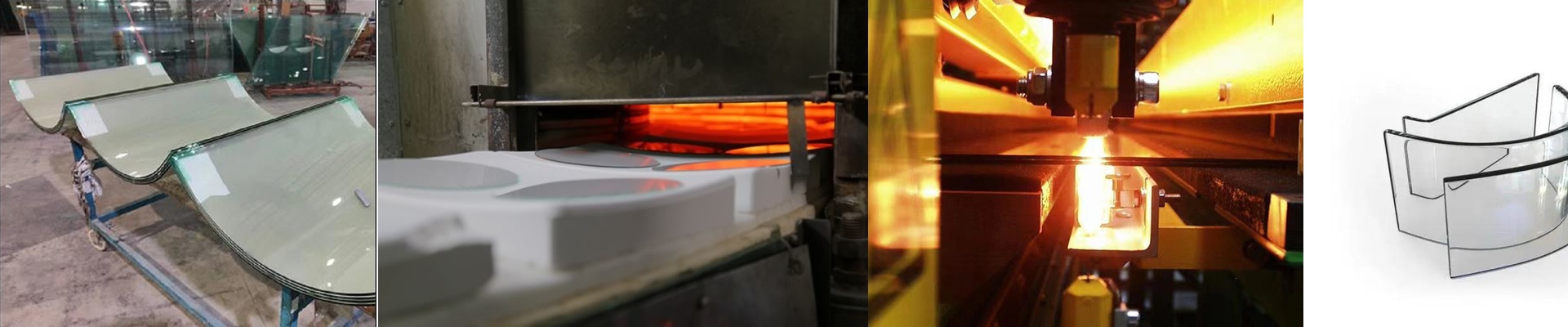
If you’ve ever run a glass tunnel kiln for cutting or shaping bottles, you know the struggle. Heat uniformity is a nightmare. Standard IR lamps are just too short. You end up with these annoying “cold spots” right where the lamps meet. For the glass, that’s a disaster. It leads to thermal shock or uneven softening, and suddenly you’re dealing with scrap instead of product. To stop that from happening, we build custom infrared units that run continuously for over 2 meters. No gaps. No surprises. The trick to the length Here’s the thing: you can’t just make a single 2-meter quartz tube. It would snap the moment it expanded from the heat or felt a bit of vibration from the plant floor. Instead, we pack a row of high-wattage IR elements into one reinforced thermal chassis. We overlap the radiation patterns of each lamp so the heat blends together. The result? Your bottles stay at a steady, consistent temperature the entire time they’re moving through the tunnel. The nitty-gritty on wiring We stick with shortwave quartz heaters for these long runs. Why? Because shortwave punches through the glass much faster than medium or longwave. As for the wiring, we can go parallel or series depending on what your plant is running. If you’re on a 400V system, we usually bump up the wattage per tube. It means fewer connections, and in my experience, fewer joints mean fewer things that can break down. A word of caution on heat There is a trade-off, though. When you cram that much heat into a 2-meter footprint, the kiln housing takes a beating. These units get the glass soft and ready fast, but your cooling fans and vents have to be up to the task. If your airflow is weak, the ends of the lamps will burn out way too soon. It’s worth double-checking your ventilation before you flip the switch. We design these as drop-in replacements. You just slide the unit into the tunnel, hook up the wires, tweak your PID controllers, and you’re back in business.