How to actually pick the right infrared heater for your bathroom
When you’re looking at infrared ceiling heaters, it’s tempting to just grab the one with the highest number on the box. But bigger isn’t always better. It’s more about how much space you’re trying to warm up and what your walls are made of. Think about it: bathrooms are basically heat-leaks. You’ve got cold tiles sucking the warmth out of your feet and a vent fan pulling the warm air right out of the room.
Finding the sweet spot for your space
For most medium-sized bathrooms, a 1500W unit is a safe bet. If you’re just doing a tiny powder room, you can probably get away with 600W to 1000W. For those massive master baths, you’re looking at 1500W to 2500W. Here’s the catch: if you put a massive heater in a tiny closet of a bathroom, you’ll actually kill the heating element faster because the heat has nowhere to go. On the flip side, if you go too low, you’ll just stand there shivering while the lamp struggles to make you feel anything.
The “feel” of infrared
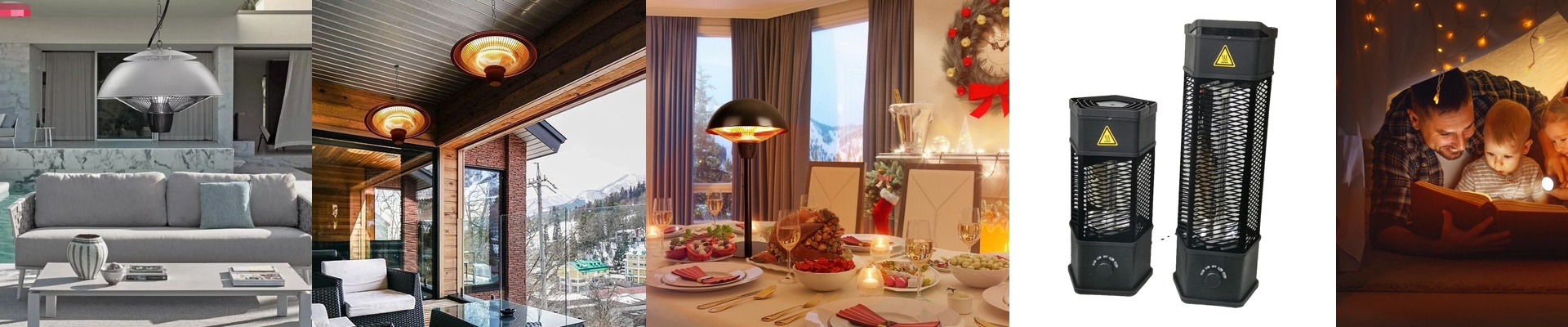
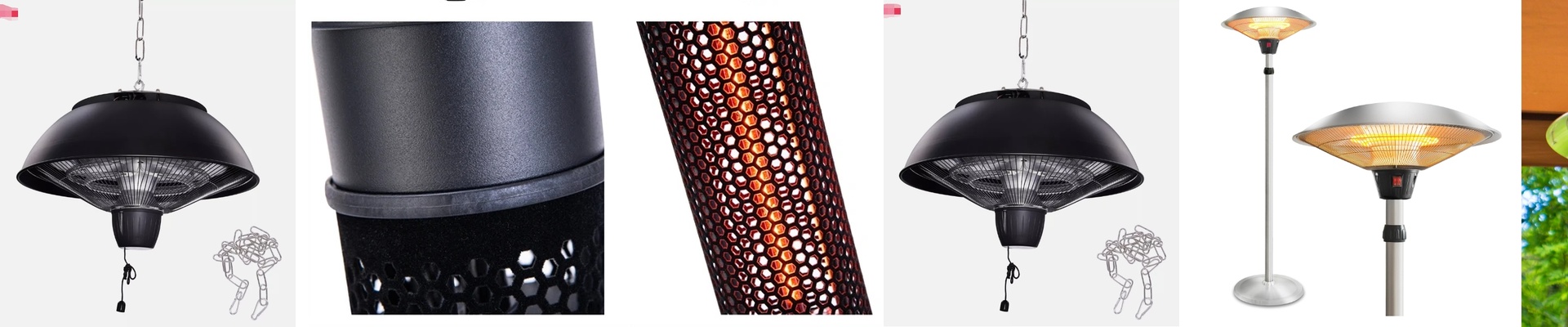
Infrared is different. It doesn’t bother heating up the air around you; it goes straight for your skin. It’s that instant, cozy warmth you feel when you step into sunlight on a cold day. That’s why these use quartz envelopes—they can handle being turned on and off quickly without cracking. One thing to watch out for: check your ceiling height. If your ceilings are higher than 2.5 meters, a 1500W lamp might lose its punch before the heat even reaches you. You might need a beefier unit or maybe just add a second one so you aren’t left cold.
Don’t fry your circuit breaker
More power means you get warm faster, but your electrical panel might have a different opinion. A 1500W heater pulls about 6.25A on a 240V circuit. That sounds fine until you try to put three or four of them in a luxury bathroom. Suddenly, you’re tripping the breaker and sitting in the dark. If you’re going big, talk to your electrician about dedicated circuits or a timer that staggers when the heaters kick in. And while you’re at it, just double-check that your ceiling can actually hold the weight and the heat of the housing. Better safe than sorry.