
Keeping Your Bathroom Infrared Heaters Safe (and Dry)
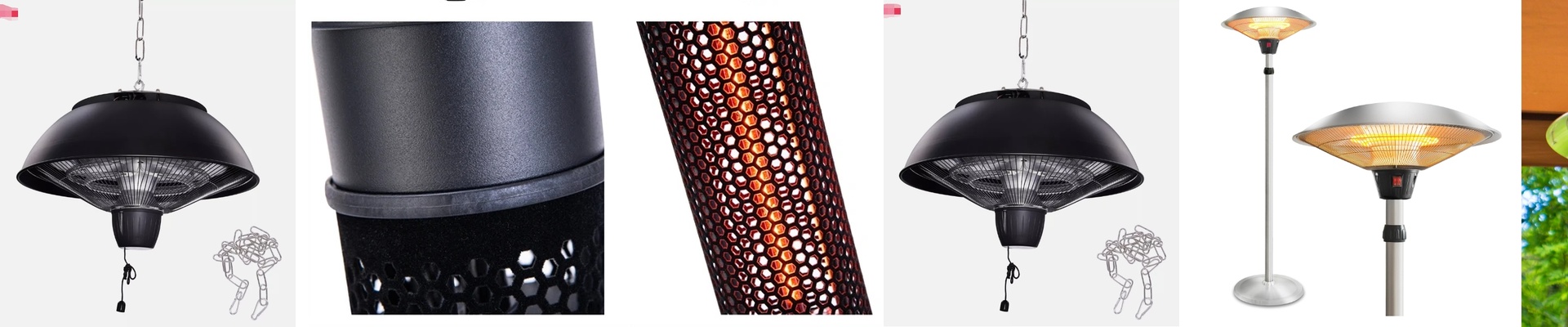
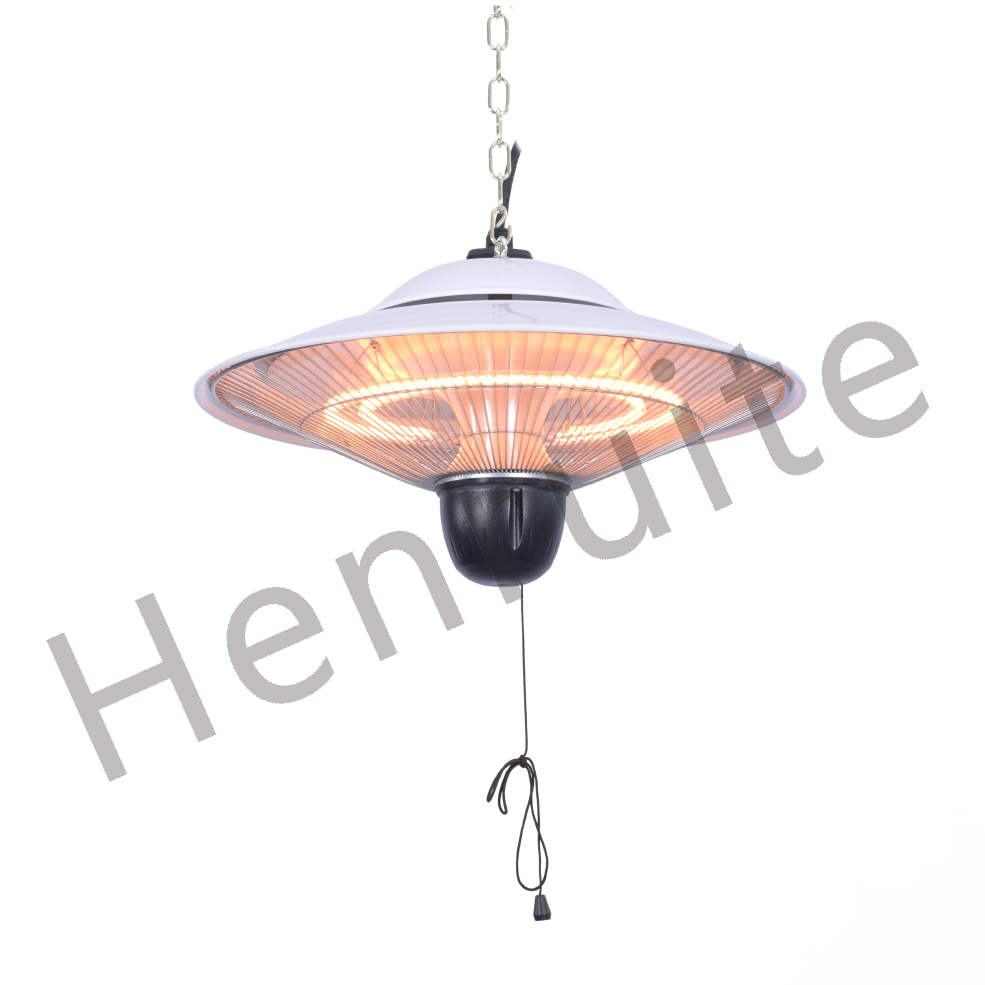
Putting infrared lamps in a bathroom is a bit of a gamble if you aren’t careful. You’ve got steam everywhere and the occasional stray splash of water. You can’t just throw a standard industrial housing in there and hope for the best. The real goal is making sure the electricity stays exactly where it belongs—inside the heating element—and far away from the metal frame you might touch. Dealing with the leaks We start with high-grade quartz glass to insulate the filament. That part is easy. The tricky bit? Where the wires actually enter the tube. That’s where things usually go wrong. To stop moisture from sneaking into the terminals, we use heat-sealed silicone gaskets and epoxy potting. Think of it as a waterproof cocoon. If water hits that connection, the potting blocks it cold, stopping any short circuits before they start. We even run a high-voltage “hipot” test on these units just to be absolutely sure no current is leaking into the frame. Fighting the “invisible” danger Here’s the thing: humidity does something weird. It turns tiny bits of dust into a thin, conductive film. This can lead to “tracking,” which is basically electricity jumping across the insulator in a spark. To stop that, we put hydrophobic coatings on the ceramic supports. These coatings basically hate water; they make droplets bead up and roll off instantly. But look, no matter how good the insulation is, you still need an RCD or GFCI in your wiring. Why? Because accidents happen. A tiny crack in the quartz tube during installation can ruin a perfect seal. The RCD is your safety net. It kills the power in a heartbeat before anyone gets a shock. The heat struggle There is a catch, though. Tight seals are great for safety, but they trap heat. When we tuck a lamp into a waterproof IP-rated housing, the temperature inside spikes. You’ll want to keep a close eye on your thermal cut-off settings. If the housing is too airtight, the lamp runs hotter than it was designed for, and that’ll eat through your filament way faster than it should. It’s all about finding that sweet spot between keeping the water out and letting the lamp breathe.