Getting the Heat Right: Silk-Screen Tempering Without the Headaches
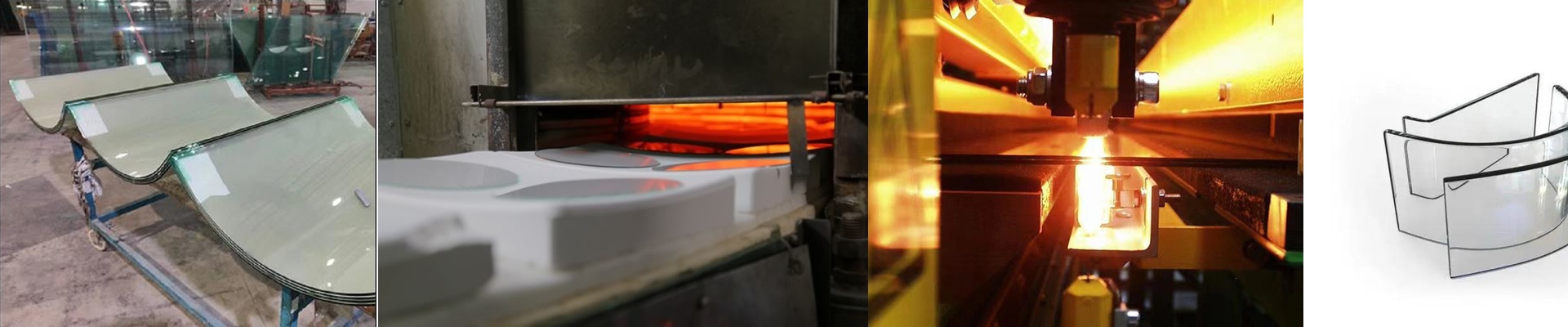
When you try to mix tempering with silk-screening, you’re basically fighting a tug-of-war. You need enough heat to make the ink stick and get the internal stress out of the glass. But if you go overboard—or if the heat hits unevenly—you’ll end up with burnt patterns or warped glass. It’s a delicate balance. To fix this, we use shortwave quartz halogen emitters. Think of these as high-energy bursts. They hit the surface fast and hard, which means you aren’t just soaking the entire piece of glass in heat for no reason.
Why these bulbs actually work
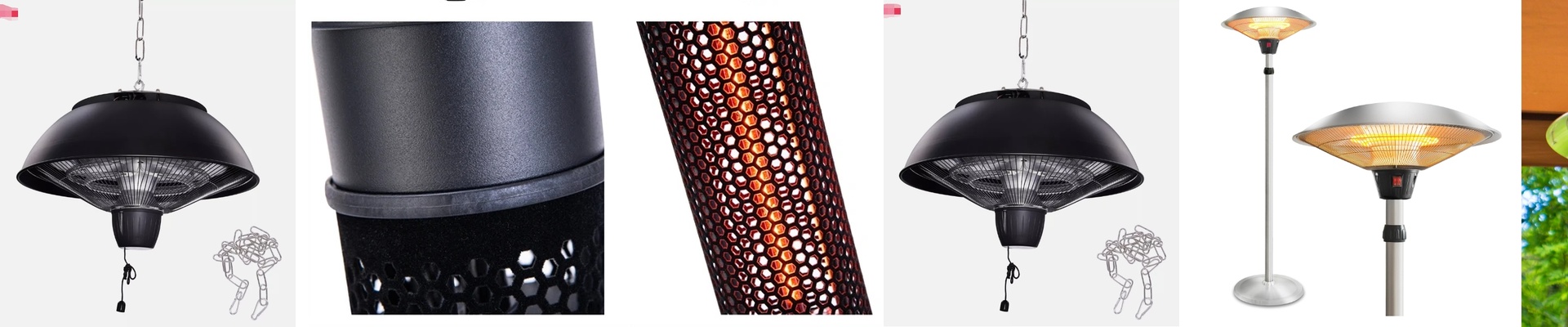
We use these specific halogen bulbs because they react instantly. Unlike those slower medium-wave elements, shortwave IR goes straight to work on the ink and the silica lattice. You can tweak the wattage or move the bulb closer to the glass to change how much heat is hitting the surface. If you need to speed up your line, you go with higher-wattage tubes. Just a heads-up: make sure your power supply matches the bulb’s voltage. If you don’t, you’ll fry the tungsten filament way sooner than you should.
The sweet spot for strength and clarity
It’s all about the gradient. If the glass stays too cool, the print just won’t bond. But if it gets too hot? The ink degrades and you lose the tempering potential of the glass. It’s a narrow window. We use quartz envelopes to make sure the IR gets through clearly. Plus, the halogen cycle keeps the inside of the bulb clean, so you get the same steady output for thousands of hours without it dipping.
The trade-offs you need to watch for
Here’s the catch: these high-intensity emitters put off a ton of waste heat. If your cooling blowers aren’t up to the task, the housing will overheat and your bulbs will die early. You can’t just crank the power to chase faster production speeds. You have to sync your conveyor speed with how fast the emitter ramps up. If the glass hits that heating zone while it’s still too cold, you’re asking for thermal shock. To keep things steady, we wire it all up with a precise PID controller. It keeps the temperature exactly where it needs to be.