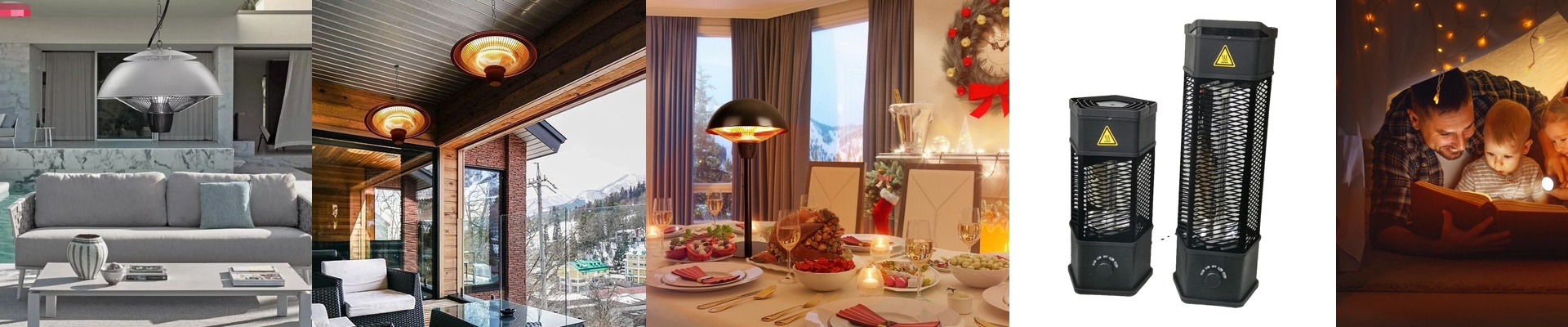
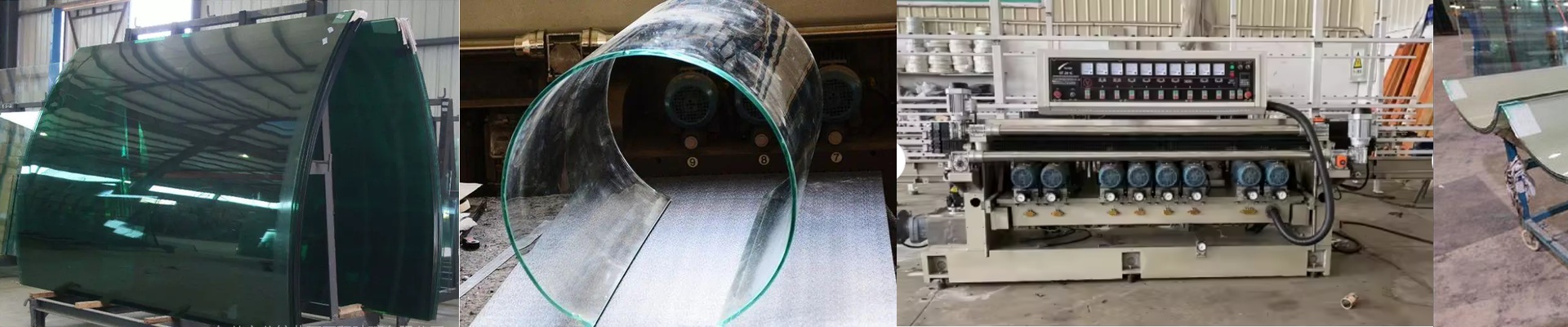
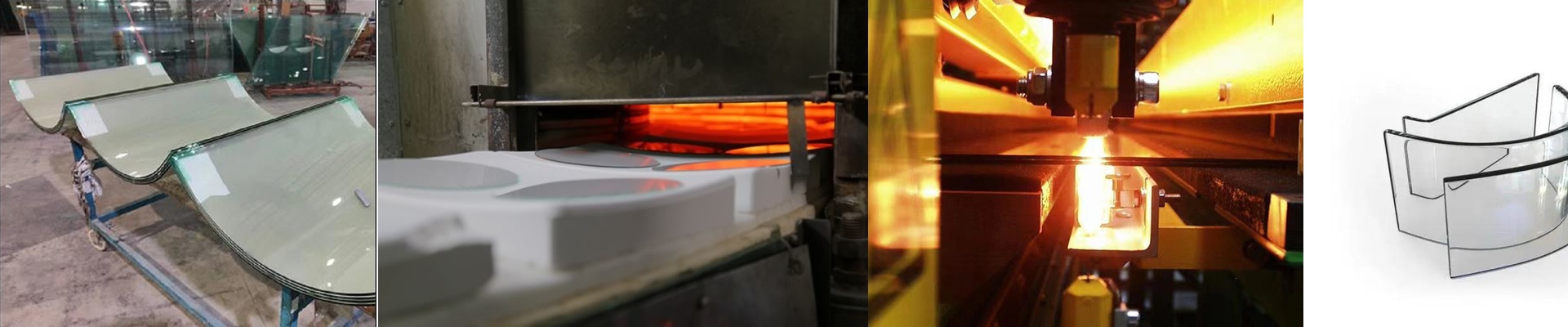
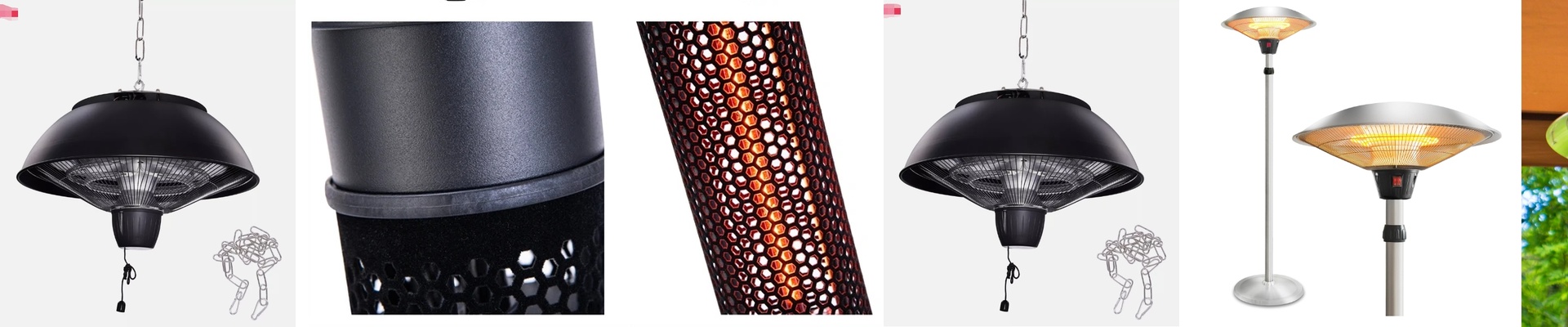
On the glass line, heat isn’t just heat—it’s control. When the bending furnace has to nail a repeatable thermal profile across a tricky shape, or the lamination press has to hit the PVB flow window without scorching, inconsistent heating turns into scrap, rework, and schedule slips. We built our gold-coated infrared emitter to make that control a reality you can run every shift. What matters under the hood This is short-wave infrared, with a gold-coated reflector that keeps the energy aimed where it needs to go, not bleeding off into the surroundings. You get high-intensity heat that responds fast and stays manageable. In practice, that means rapid ramp-up, stable output, and repeatable temperature uniformity across the glass. The design is industrial—high emissivity, performance that holds up under repeated thermal cycling, and output that works with your process window instead of fighting it. Why it holds up on real processes In hot bending, uniform heating is how you keep thermal stress and optical distortion from sneaking in. The focused IR field helps the glass reach forming temperature evenly, so you cut down on rejects from uneven sag. For tempering, the preheat needs to be quick and predictable so the quench can do its job. The emitter shortens the soak, supports consistent geometry, and helps keep throughput steady. Lamination is all about hitting the right temperature without hot spots. The controlled IR profile gives you even adhesive flow for EVA/SGP/PVB, which means fewer bubbles and less edge defect. And for coating drying, the heat arrives fast and clears out fast—protecting film quality while shaving cycle time. What you need to watch on install and run Installation is straightforward, but alignment is where people get tripped. The reflector has to be positioned to hold the intended thermal pattern; even a small misalignment can create localized hot zones. Because IR heats surfaces directly, glass with low absorption at the chosen wavelength may need tuning—power density and dwell time have to be dialed in. If you run the lamp continuously at max power without proper cooling and voltage management, you’ll see lamp life drop. Plan for clean mounting surfaces, verified reflector orientation, and a control strategy that matches emitter output to the glass and the process.
ในสายการผลิตกระจก ความร้อนไม่ใช่แค่ความร้อน แต่คือการควบคุม เมื่อเตาอบดัดต้องสร้างโปรไฟล์ความร้อนที่ทำซ้ำได้ข้ามรูปทรงที่ซับซ้อน หรือเครื่องกดลามิเนชันต้องควบคุมการไหลของ PVB โดยไม่เกิดการไหม้ ความร้อนที่ไม่สม่ำเสมอจะกลายเป็นของเสีย งานแก้ไข และการเลื่อนตารางการผลิต เราได้ออกแบบเครื่องปล่อยรังสีอินฟราเรดเคลือบทองเพื่อให้การควบคุมนี้เป็นจริงและสามารถใช้งานได้ในทุกกะ
สิ่งที่สำคัญภายใน
นี่คืออินฟราเรดคลื่นสั้นที่มีตัวสะท้อนเคลือบทองซึ่งช่วยให้พลังงานถูกจุดไปยังตำแหน่งที่ต้องการ ไม่กระจายสู่อากาศรอบข้าง คุณจะได้ความร้อนความเข้มสูงที่ตอบสนองอย่างรวดเร็วและควบคุมได้ ในทางปฏิบัติหมายถึงการเพิ่มอุณหภูมิอย่างรวดเร็ว การจ่ายพลังงานที่เสถียร และความสม่ำเสมอของอุณหภูมิที่ทำซ้ำได้ทั่วพื้นผิวกระจก การออกแบบนี้เป็นสไตล์อุตสาหกรรม มีการแผ่รังสีสูง ทนทานต่อการเปลี่ยนอุณหภูมิซ้ำๆ และจ่ายพลังงานที่สอดคล้องกับช่วงกระบวนการของคุณแทนที่จะต่อต้าน
เหตุผลที่ทนต่อกระบวนการจริง
ในการดัดร้อน การให้ความร้อนสม่ำเสมอเป็นวิธีป้องกันความเครียดจากความร้อนและความผิดเพี้ยนทางแสงที่อาจเกิดขึ้นอย่างไม่คาดคิด สนาม IR ที่เน้นเฉพาะช่วยให้กระจกถึงอุณหภูมิการขึ้นรูปอย่างสม่ำเสมอ จึงลดของเสียที่เกิดจากการย้วยไม่เท่ากัน
สำหรับกระบวนการชุบแข็ง การอุ่นล่วงหน้าต้องรวดเร็วและคาดการณ์ได้ เพื่อให้การระบายความร้อนทำงานได้ดี เครื่องปล่อยช่วยลดระยะเวลาการแช่ สนับสนุนรูปทรงที่สม่ำเสมอ และช่วยรักษาอัตราการผลิตให้คงที่
การลามิเนชันคือการทำให้อุณหภูมิตรงเป้าหมายโดยไม่มีจุดร้อน โปรไฟล์ IR ที่ควบคุมได้ช่วยให้กาว EVA/SGP/PVB ไหลอย่างสม่ำเสมอ ส่งผลให้ฟองอากาศน้อยลงและข้อบกพร่องขอบลดลง
สำหรับการอบแห้งเคลือบ ความร้อนมาถึงเร็วและระบายเร็ว ช่วยปกป้องคุณภาพฟิล์มในขณะลดเวลาวงจร
สิ่งที่ต้องระวังเมื่อติดตั้งและใช้งาน
การติดตั้งทำได้ตรงไปตรงมา แต่การจัดตำแหน่งเป็นส่วนที่มักทำผิด ตัวสะท้อนต้องวางในตำแหน่งที่รักษาแบบความร้อนตามที่ตั้งใจไว้ แม้การเอียงเล็กน้อยก็อาจสร้างจุดร้อนเฉพาะที่ได้
เนื่องจาก IR ให้ความร้อนแก่พื้นผิวโดยตรง กระจกที่ดูดซับรังสีที่ความยาวคลื่นที่กำหนดต่ำอาจต้องทำการปรับ ตั้งค่าความหนาแน่นกำลังและระยะเวลาการให้ความร้อนให้เหมาะสม
หากเปิดหลอดไฟตลอดเวลาในกำลังสูงสุดโดยไม่มีการระบายความร้อนและการจัดการแรงดันไฟฟ้าที่เหมาะสม จะทำให้อายุการใช้งานของหลอดลดลง ควรวางแผนทำพื้นผิวติดตั้งให้สะอาด ตรวจสอบทิศทางตัวสะท้อน และกำหนดกลยุทธ์ควบคุมที่เหมาะสมกับเอาต์พุตของเครื่องปล่อยเข้ากับกระจกและกระบวนการผลิต