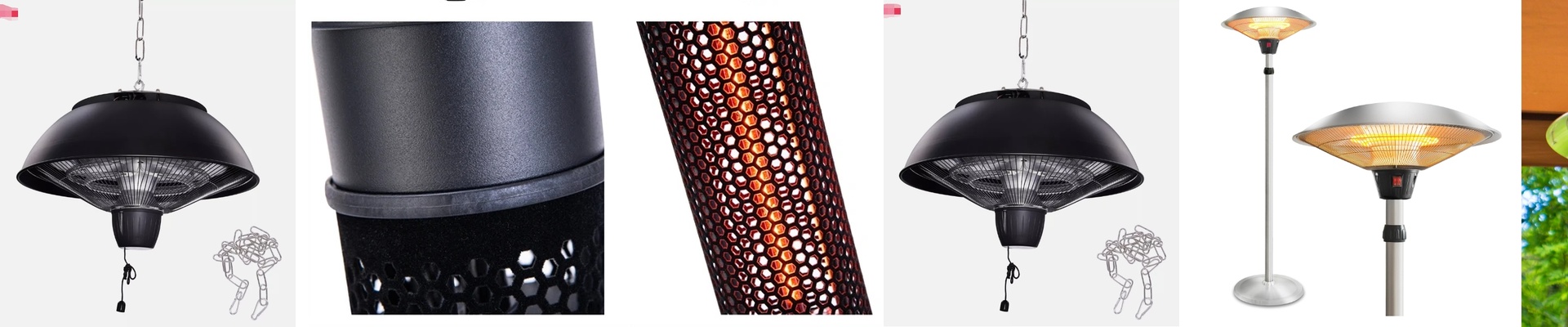
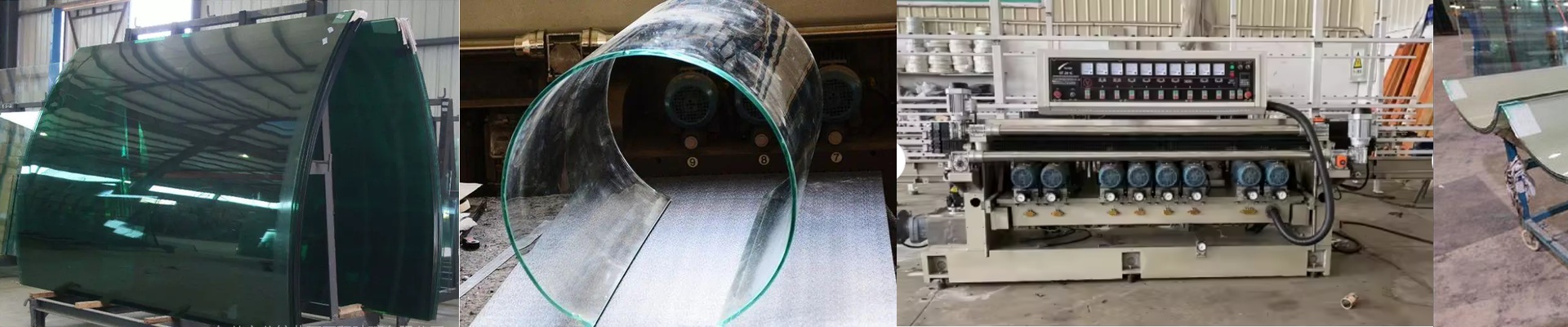
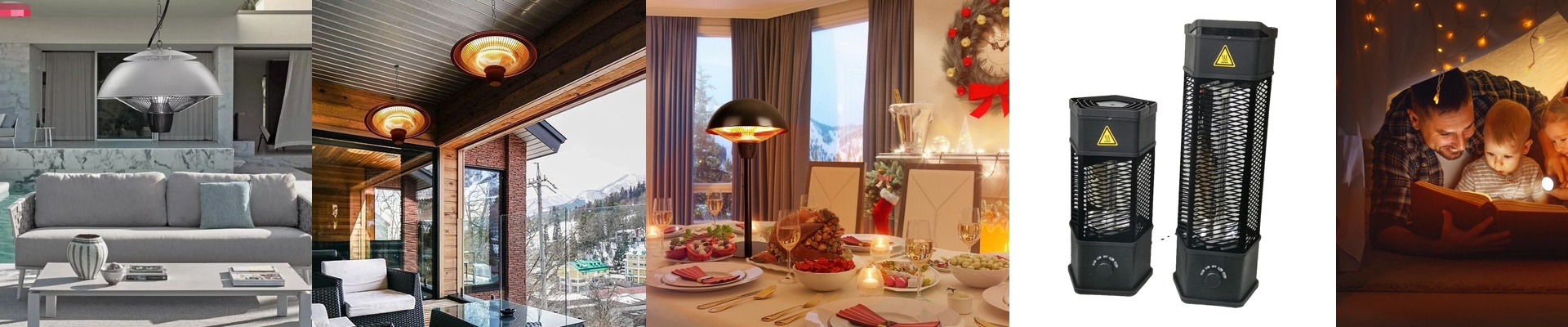
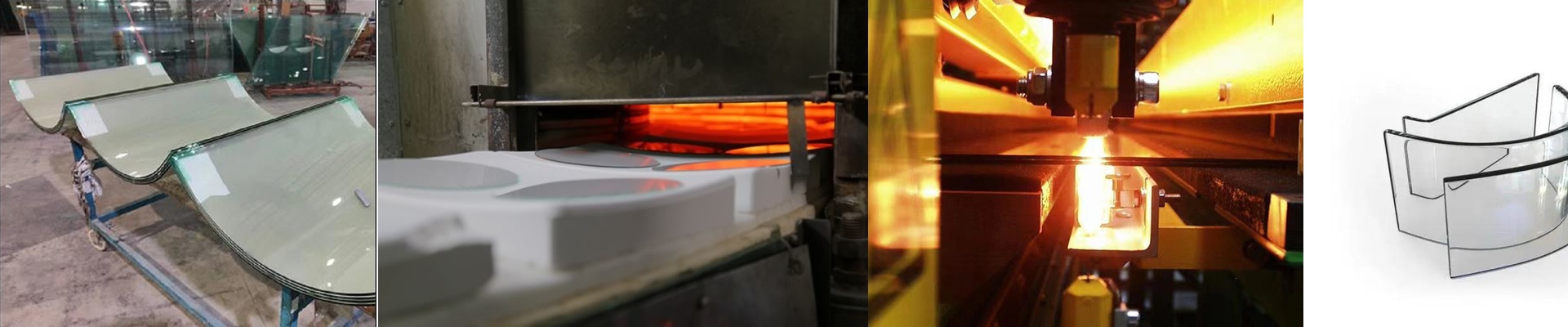
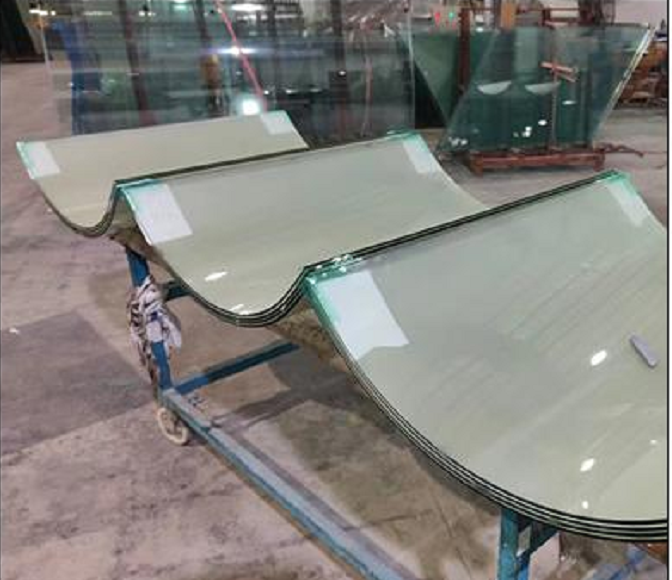
On the line, borosilicate doesn’t forgive uneven heat. A cold spot during bending shows up as optical distortion. A spike in the tempering cycle raises the risk of thermal stress fractures. And when coating drying leans on slow convection, adhesion falls short and throughput drags. We built our infrared lamp line around one practical demand: heat you can repeat, control, and match to the geometry of the glass and the pace of the process. What matters under the hood We run short-wave quartz infrared emitters tuned to borosilicate emissivity, so energy is absorbed fast and evenly across the surface—without heating the air. Peak wavelengths give you rapid surface response while keeping heat penetration in check, so you don’t drive internal stress. The emitters run on industrial voltages, come in compact lengths that match conveyor widths, and use standardized mounting and terminal blocks for drop-in replacement in OEM ovens and heating modules. Power density is chosen for fast ramp-up without overshoot, and the quartz envelope holds up through repeated thermal cycling. Why this plays in real processes Tempering: the lamps deliver the fast, uniform surface heating you need to hit the quench-ready temperature window, improving compressive stress consistency and cutting breakage from edge and thermal stress. Bending: controlled, localized heat reduces sag variability and keeps shapes repeatable without overheating the mold. Coating drying and curing: focused infrared dries coatings quickly and evenly, so you stop losing line speed to slow convection drying. Lamination and insulating glass sealing: the lamps give controlled, uniform heating for EVA/SGP/PVB curing and consistent secondary seal adhesion, reducing bubbles and voids. And you use less energy because the power goes into the glass, not the surrounding air. Here are the practical details Infrared is line-of-sight, so lamp layout, spacing, and reflectors have to match the glass shape and travel path to keep uniformity. Surface temperature uniformity is sensitive to distance—set the working gap and hold it. Expect a short warm-up to reach stable output, and plan your control strategy accordingly. If your line runs both clear and low-emissivity borosilicate, you’ll likely need to adjust setpoints and lamp configuration to keep cycle time and quality consistent. We size the system to your conveyor width, line speed, and target temperature profile, and we provide wiring and mounting details to keep changeover time down.
라인에서 붕규산유리는 불균일한 열에 대해 관용이 없다. 굽힘 시 발생하는 냉점은 광학 왜곡으로 나타난다. 템퍼링 사이클 중 온도 급상승은 열응력 균열 위험을 증가시킨다. 코팅 건조가 느린 대류에 의존하면 부착력 저하와 처리량 감소가 발생한다. 우리는 반복 가능하고 제어 가능하며 유리 형상과 공정 속도에 맞출 수 있는 열을 제공하는 실용적인 요구 사항을 중심으로 적외선 램프 라인을 설계했다.
핵심 기술 사항
붕규산 방사율에 맞춰 조정된 단파장 쿼츠 적외선 방출기를 사용해 에너지가 공기를 가열하지 않고 표면에 빠르고 균일하게 흡수되도록 한다. 피크 파장은 신속한 표면 반응을 제공하면서도 열 침투를 제어해 내부 응력을 유발하지 않는다. 방출기는 산업용 전압으로 작동하며, 컨베이어 폭에 맞는 컴팩트한 길이로 제공되고 OEM 오븐 및 가열 모듈에 즉시 교체 가능한 표준화된 장착 및 단자 블록을 사용한다. 전력 밀도는 과도한 상승 없이 빠른 가열을 위해 선택되며, 쿼츠 외피는 반복적인 열 사이클에도 견딘다.
실제 공정에서의 적용 이유
- 템퍼링: 램프는 급속하고 균일한 표면 가열을 제공해 급냉 준비 온도 범위에 도달하며, 압축 응력의 일관성을 향상시키고 가장자리 및 열응력으로 인한 파손을 줄인다.
- 굽힘: 제어된 국부 가열은 처짐 변동을 감소시키고 금형 과열 없이 형상을 반복 가능하게 유지한다.
- 코팅 건조 및 경화: 집중된 적외선이 코팅을 빠르고 균일하게 건조시켜 느린 대류 건조로 인한 라인 속도 저하를 방지한다.
- 적층 및 단열유리 실링: 램프는 EVA/SGP/PVB 경화 및 2차 실링 접착의 균일한 가열을 제공해 기포와 공극을 줄인다. 또한 전력은 공기가 아닌 유리 내에 전달되므로 에너지 사용량이 감소한다.
실용적인 세부 사항
적외선은 직선 시야(line-of-sight) 특성이 있으므로 램프 배치, 간격, 반사판이 유리 형상과 이동 경로에 맞아야 균일성을 유지할 수 있다. 표면 온도 균일성은 거리 변화에 민감하므로 작업 간격을 정확히 설정하고 유지해야 한다. 안정적인 출력에 도달하기 위한 짧은 예열 시간이 필요하며, 이에 맞춰 제어 전략을 설계해야 한다. 투명 및 저방사 붕규산유리를 모두 사용하는 라인은 사이클 시간과 품질 일관성을 유지하기 위해 설정값과 램프 구성을 조정해야 할 가능성이 크다. 컨베이어 폭, 라인 속도, 목표 온도 프로파일에 맞게 시스템 크기를 산정하며, 배선 및 장착 세부 사항을 제공해 교체 시간을 최소화한다.