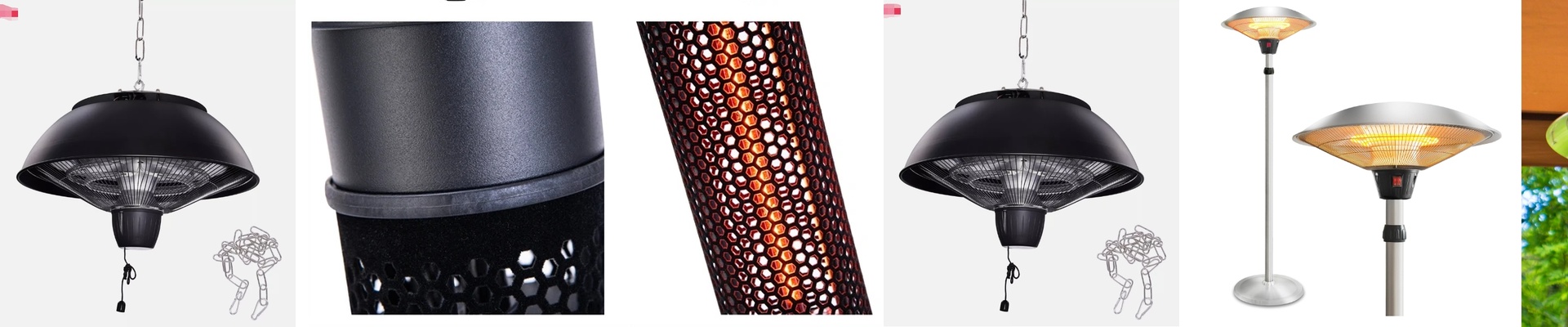
On the mirror line, the cutting head sits and waits for heat, and the whole station moves at that one element’s pace. If the heater drags, the cut drags. If the heat field isn’t even, you’ll see stress fractures show up after the edge is polished. We built our mirror cutting infrared heater to take that guesswork out. What matters under the hood We run short-wave infrared quartz emitters, tuned for snappy response and stable output. The element geometry and reflector layout shape a uniform thermal field across the target zone, so the coating heats evenly—no hot spots. Power is matched to the machine footprint, with standard voltage options and termination choices that plug straight into common glass machinery interfaces. The heater body is compact, built for the shop, and serviceable—emitter replacement takes minutes, not hours. Why this hits the mark on the mirror line Mirror cutting is all about heat fast, then off fast. The short-wave profile gives you rapid temperature rise, so the cutting cycle keeps moving and throughput stays up. Uniform heating cuts down on thermal stress in the glass, which means less scrap from micro-cracks and edge failures. Energy use stays tight because the heater targets the coating directly, wasting less convection heat and keeping the surrounding area cooler. The details that make the difference Installation is straightforward, but alignment is where you earn it. The heater has to sit right on the focal plane and be secured without twisting the mounting frame; otherwise the thermal pattern drifts and quality starts to drift with it. We supply adapter kits and mounting hardware for direct replacement on major glass machine brands, so you can swap in without tearing into the machine structure. Plan the wiring and cooling path to match the original footprint, and confirm the operating distance to the glass—too close and you risk overheating; too far and the cycle slows down.
আয়ন লাইনটিতে, কাটিং হেডটি বসে থাকে এবং তাপের জন্য অপেক্ষা করে, এবং সম্পূর্ণ স্টেশনটি ওই এক উপাদানের গতি অনুযায়ী চলে। যদি হিটার ধীর হয়, তাহলে কাটাও ধীর হয়। যদি তাপ ক্ষেত্র সমান না হয়, তবে প্রান্ত পালিশ করার পর স্ট্রেস ফ্র্যাকচার দেখা যাবে। আমরা আমাদের আয়ন কাটিং ইনফ্রারেড হিটারটি এই অনুমান দূর করার জন্য তৈরি করেছি। গাড়ির নীচে যা গুরুত্বপূর্ণ আমরা শর্ট-ওয়েভ ইনফ্রারেড কোয়ার্টজ এমিটার ব্যবহার করি, যা দ্রুত প্রতিক্রিয়া এবং স্থিতিশীল আউটপুটের জন্য টিউন করা হয়েছে। উপাদানের জ্যামিতি এবং রিফ্লেক্টর বিন্যাস লক্ষ্য ক্ষেত্র জুড়ে একটি সমান তাপীয় ক্ষেত্র গঠন করে, তাই কোটিং সমানভাবে গরম হয়—কোনো হট স্পট নেই। পাওয়ার মেশিনের ফুটপ্রিন্টের সাথে মানানসই, স্ট্যান্ডার্ড ভোল্টেজ অপশন এবং টার্মিনেশন পছন্দ যা সাধারণ গ্লাস মেশিনারি ইন্টারফেসে সরাসরি প্লাগ ইন করা যায়। হিটার বডিটি কমপ্যাক্ট, কর্মশালার জন্য নির্মিত এবং সার্ভিসযোগ্য—এমিটার পরিবর্তনে কয়েক মিনিট লাগে, ঘণ্টা নয়। কেন এটি আয়ন লাইনে সঠিক লক্ষ্য অর্জন করে আয়ন কাটিং মূলত দ্রুত তাপ দেওয়া এবং দ্রুত বন্ধ করার ব্যাপার। শর্ট-ওয়েভ প্রোফাইল দ্রুত তাপমাত্রা বৃদ্ধি দেয়, ফলে কাটিং চক্র অব্যাহত থাকে এবং উৎপাদন ক্ষমতা বজায় থাকে। সমান তাপ দেওয়া গ্লাসের তাপীয় চাপ কমায়, যার অর্থ মাইক্রো ফাটল এবং প্রান্ত ব্যর্থতা থেকে কম বর্জ্য। শক্তি ব্যবহার নিয়ন্ত্রিত থাকে কারণ হিটার সরাসরি কোটিংকে লক্ষ্য করে, কম কনভেকশন তাপ অপচয় হয় এবং আশেপাশের এলাকা ঠান্ডা থাকে। যে বিশদগুলো পার্থক্য তৈরি করে ইনস্টলেশন সরল, কিন্তু সঠিক অবস্থানে স্থাপন করাটাই চ্যালেঞ্জ। হিটারটি অবশ্যই ফোকাল প্লেনে বসতে হবে এবং মাউন্টিং ফ্রেম ঘুরানো ছাড়া নিরাপদে লাগাতে হবে; না হলে তাপীয় প্যাটার্ন সরে যাবে এবং গুণগত মানও সরে যেতে শুরু করবে। আমরা প্রধান গ্লাস মেশিন ব্র্যান্ডগুলোর জন্য সরাসরি পরিবর্তনের উপযোগী অ্যাডাপ্টার কিট এবং মাউন্টিং হার্ডওয়্যার সরবরাহ করি, যাতে মেশিনের কাঠামো ছাড়াই বদলানো যায়। ওয়্যারিং এবং কুলিং পথ মূল ফুটপ্রিন্টের সাথে মিলিয়ে পরিকল্পনা করুন এবং গ্লাস থেকে অপারেটিং দূরত্ব নিশ্চিত করুন—খুব কাছে হলে ওভারহিটিংয়ের ঝুঁকি থাকে; খুব দূরে হলে চক্র ধীরে চলে।