


Keeping Your Outdoor Dining Warm (Without the Headache)
Here is the problem with outdoor dining: heat is stubborn. It wants to rise, and the wind loves to steal it right off your guests’ skin. If you try to just “heat the air,” you’re fighting a losing battle. That’s why we use shortwave infrared. Think of it like the sun. It doesn’t bother warming up the breeze; it just beams heat directly onto the people and the furniture. If you’ve got a pergola, this is the only way to keep people cozy when a sudden draft hits.
The Nitty-Gritty of the Setup
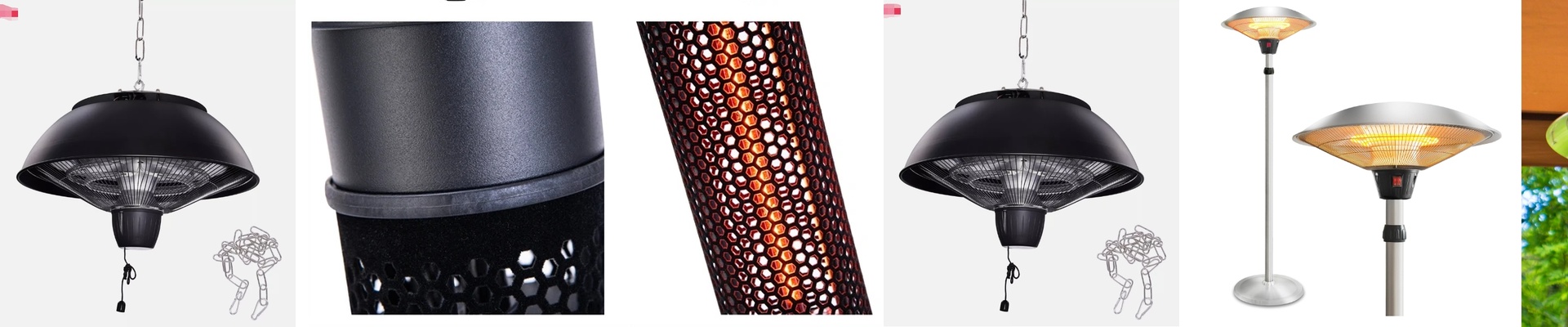
We use waterproof housings because, well, it rains. Inside, there’s a quartz element that gets hot almost the second you flip the switch. In a busy restaurant, you can’t wait twenty minutes for a heater to warm up while your guests are shivering. We usually hook these up to a zoned control system. It’s a lifesaver for your staff. When the sun pops out, they can dial it back. When a cold snap hits at 8 PM, they can crank it up. One thing to watch: wattage. If you go too low, your guests will feel it on their heads but stay freezing at the shoulders. We prefer a denser layout—especially when the heaters are mounted 2.5 to 3 meters up—to make sure that warmth actually hits the torso.
The Bottom Line: More Comfort, More Cash
Let’s be honest: nobody lingers on a freezing patio. Empty seats are wasted money. When you put in a solid infrared grid, your patio stops being a “seasonal” thing and becomes a year-round money maker. The math is pretty simple. If a guest feels warm and relaxed, they’ll hang out for another 30 minutes. That’s usually when the dessert and coffee orders happen. When they aren’t shivering, they stay.
A Heads-Up on Installation
Before you start, don’t just plug these into a regular wall outlet. You can’t. These arrays pull a massive amount of power. If you don’t prep your electrical panel for the load, you’re going to trip a breaker right in the middle of the Friday night dinner rush. It’s a nightmare you want to avoid. Just make sure your contractor uses heat-resistant cabling for those final drops. It’s a small detail, but it’s the difference between a system that works and a dangerous one.